You can transform your outdoor space through stunning landscaping design with just a few thoughtful choices. Proper plant placement and balanced hardscaping create immediate impact, while ignoring drainage can lead to costly damage. Start small, focus on symmetry and color flow, and choose low-maintenance plants suited to your climate. A well-planned design boosts curb appeal and property value.
Key Takeaways:
- A clear focal point, like a tree, sculpture, or water feature, draws the eye and gives the yard a sense of purpose.
- Group plants in odd numbers and varying heights to create natural-looking clusters that add depth and visual interest.
- Use hardscaping elements such as pathways, patios, or retaining walls to define spaces and improve functionality.
- Choose plants suited to your climate and soil to reduce maintenance and ensure long-term growth.
- Repeat colors, textures, or plant types throughout the space to create cohesion and flow.
The Ground and the Light
Every great garden begins with what’s beneath your feet and above your head. Soil quality and sunlight exposure shape every plant’s fate, so testing and observing come before planting. You’ll save time, money, and heartache by learning these basics early.
Testing the dirt
You uncover hidden truths when you test the soil. pH levels and nutrient content determine which plants thrive or fail. A simple kit reveals what your ground lacks or overflows with, guiding your choices with precision and care.
Observing the sun
Light shifts throughout the day, and your garden must adapt. Track how sunlight moves across your yard to know which spots stay bright and which remain shaded. Matching plants to light conditions prevents stunted growth and wasted effort.
Watch one area at three different times: morning, noon, and late afternoon. You’ll notice how shadows stretch and shrink, revealing patterns no map can show. Full sun isn’t just brightness-it’s duration. Some perennials need six full hours, while others burn in less than four. Your observations become the blueprint for lush, lasting color.
Choosing the Plants
You shape your garden’s future with every plant you select. Matching species to your soil, light, and climate ensures long-term success. Native plants often thrive with less maintenance and support local wildlife. Thoughtful choices create beauty that lasts beyond a single season.
Selecting native shrubs
Native shrubs adapt easily to local conditions and demand less water once established. They resist common pests naturally, reducing the need for chemicals. These hardy plants provide year-round structure and shelter for birds and pollinators, making your garden both resilient and alive.
Picking perennials
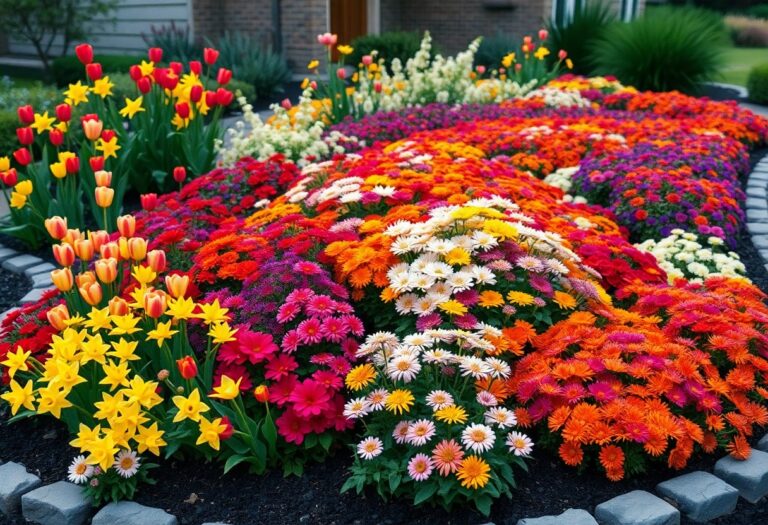
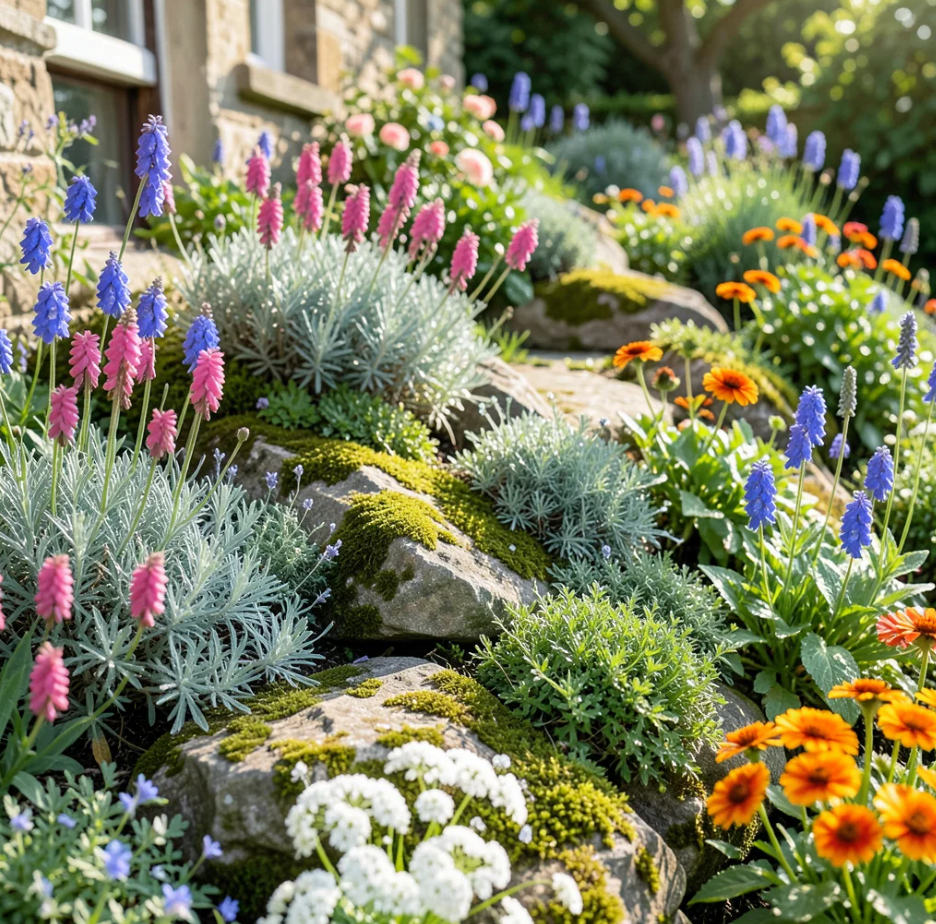
Perennials return each year, offering reliable color and texture with minimal replanting. Choose varieties that bloom at different times to keep your garden vibrant from spring to fall. Well-placed perennials reduce long-term costs and labor while enhancing visual flow.
When picking perennials, consider height, spread, and sun requirements to avoid overcrowding later. Plants like coneflower, black-eyed Susan, and salvia perform well in many regions and attract beneficial insects. Grouping the same species in clusters of three or more creates a natural, impactful look that matures beautifully over time.
The Hard Elements
Structure defines your outdoor space more than you realize. Well-placed hardscaping like patios, walkways, and retaining walls creates flow and function. You don’t need grand designs-simple, clean lines often make the strongest impact. Choose materials that complement your home’s exterior and withstand local weather.
Laying the stones
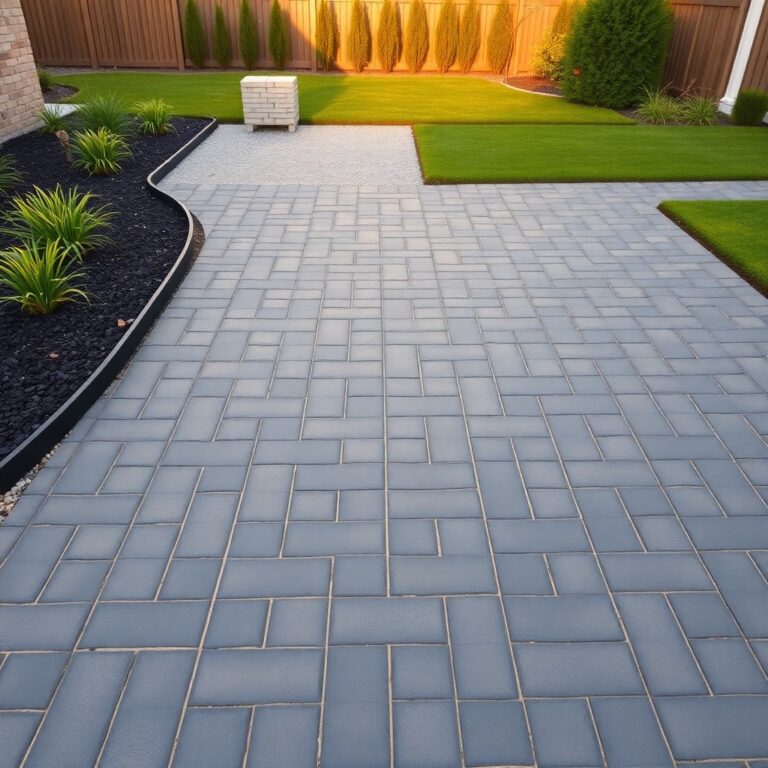
Stone placement sets the tone for durability and style. Level each piece carefully to prevent tripping hazards and shifting over time. Use a gravel base and sand layer for stability. Fit stones tightly, leaving minimal gaps for a polished look that lasts for years with little maintenance.
Spreading the gravel
Gravel fills gaps and adds texture without high costs. Choose angular gravel over rounded stones-it locks in place better and resists erosion. Apply a 2- to 3-inch layer over landscape fabric to suppress weeds and improve drainage, giving you a tidy, low-maintenance surface.
When spreading the gravel, work in small sections to maintain even coverage. Rake it flat and slightly slope it away from structures to prevent water pooling, which can damage foundations. Compact the layer lightly with a hand tamper for stability, especially in high-traffic zones. This step ensures your gravel stays where it belongs, even through heavy rain or foot traffic.
Water in the Garden
You’ll find that adding water brings life and calm to your outdoor space. The gentle sound of moving water masks city noise and invites birds and beneficial insects. A well-placed feature becomes a natural focal point, drawing the eye and enhancing the mood of your garden without overwhelming it.
Digging the basin
Start by marking the outline of your basin with sand or rope. Remove turf and dig to the depth specified by your liner or preformed shape, sloping sides slightly for stability. Keep the bottom level and free of sharp stones-this protects the liner and prevents leaks later on.
Creating the flow
Position your pump at the lowest point of the basin, connecting tubing to your chosen outlet-spillway, fountainhead, or waterfall. Test the flow before finalizing placement to ensure a smooth, even movement of water that complements the design without splashing excessively.
Adjusting the flow rate gives you control over both sound and visual impact. A soft trickle creates serenity, while a stronger surge adds energy. Conceal tubing under stones or plants for a natural look, and always use a GFCI-protected outlet for safety when powering your pump.
The Work of the Blade
You shape your yard’s appearance every time you pick up a blade. Clean cuts promote healthier growth and give your landscape a polished look. Regular maintenance with sharp tools makes a visible difference, especially when you address overgrowth before it takes over. Sharp, precise cutting strengthens plant life and defines your outdoor space.
Cutting the dead wood
Dead branches drain energy from healthy parts of trees and shrubs. Removing them improves airflow and reduces disease risk. You prevent pests from taking hold and encourage new growth where it matters most. Pruning dead wood keeps your plants strong and your yard looking intentional.
Edging the grass
Edging creates clean lines between lawn and garden beds, giving your yard structure. You define spaces clearly, making the landscape appear neater and more organized. A simple tool pass every few weeks maintains separation and prevents grass from invading flower areas. Sharp edges stop unwanted spread and boost visual appeal instantly.
Edging isn’t just cosmetic-it serves a functional role in long-term lawn health. When you carve a small trench along borders, you block grass roots from creeping into mulch or gravel zones. This reduces weeding time and keeps mulch in place, protecting plant bases. Use a half-moon edger or powered tool for straight, consistent lines. Well-edged lawns look professionally maintained and resist invasive growth.
The Seasonal Task
You keep your garden thriving by aligning care with nature’s rhythm. Each season demands specific actions that protect and prepare your plants. Winter isn’t dormancy-it’s a quiet phase of resilience. Completing key tasks now ensures a vibrant spring. Skipping these steps risks plant health and long-term growth.
Mulching for the frost
Temperature swings can heave plant roots out of the soil. A 2-3 inch layer of organic mulch acts as insulation. Apply it after the ground cools but before deep freeze sets in. This buffer prevents frost damage and retains moisture through winter’s dry spells.
Feeding the roots
Nutrient uptake slows in cold months, but roots still benefit from a boost. A slow-release, low-nitrogen fertilizer supports root development without encouraging tender growth. Feeding now builds strength for spring emergence and reduces transplant shock later.
Roots absorb nutrients most efficiently when the soil is cool but not frozen. Late fall is the ideal window to apply fertilizer, giving it time to integrate before winter. Choose a formula high in phosphorus and potassium-these elements enhance root resilience and disease resistance. Water lightly after application to help it reach root zones. Over-fertilizing or using high-nitrogen blends risks winter burn and weak growth, so precision matters.
Conclusion
As a reminder, you can achieve beautiful outdoor spaces by focusing on balance, choosing plants that thrive in your environment, and maintaining clean lines. Your design choices shape how the space feels and functions. Thoughtful planning and consistent care turn simple ideas into lasting visual appeal.
FAQ
Q: What are the first steps to create a visually appealing landscaping design?
A: Start by assessing your yard’s natural features, such as sunlight patterns, soil type, and drainage. Sketch a simple layout that defines areas for plants, pathways, and seating. Choose a color scheme using 2-3 main colors for flowers and foliage to create harmony. Begin with easy-to-grow native plants that suit your region’s climate, and place taller plants toward the back or center of beds for depth.
Q: How can I add interest to my garden without spending a lot of money?
A: Use mulch to give beds a clean, finished look and help retain moisture. Repurpose materials like stones, bricks, or logs to build borders or stepping paths. Group plants in odd numbers for a natural arrangement, and add simple garden art like a birdbath or painted pot. Seasonal flowers in containers can refresh the space quickly and be moved as needed.
Q: What should I consider when placing trees and shrubs in my yard?
A: Think about mature size to avoid overcrowding. Keep large trees at least 15-20 feet from the house to protect foundations and roofs. Place shrubs where they won’t block windows or pathways when fully grown. Use evergreens for year-round structure and deciduous plants for seasonal color. Arrange them in layers-taller in back, shorter in front-for a balanced look.
About the Author