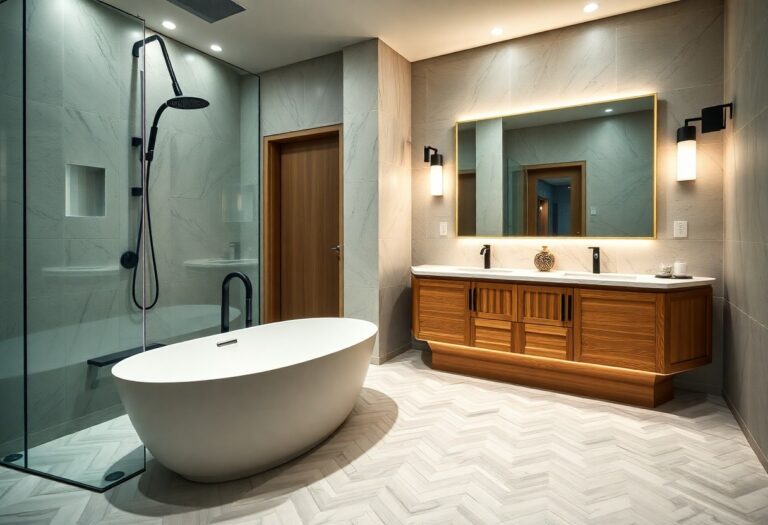

If you’re upgrading a UK home, water underfloor heating can change how your rooms feel day to day. You get steady warmth from the floor up, fewer cold spots, and less need to crank the thermostat. It also pairs well with heat pumps and modern boilers, especially when insulation’s good. But it won’t suit every floor type, layout, or budget—and that’s where the choice gets interesting.
Is Water Underfloor Heating Right for UK Homes?
Although UK homes vary from draughty Victorian terraces to airtight new builds, water underfloor heating can suit many properties if your insulation levels are decent and you’re planning work that allows new pipework and floor buildup.
You’ll get the best results in extensions, refurbishments, and ground-floor projects where you can lift floors, add insulation, and manage finished floor heights around doors and stairs.
If you live in a listed building or can’t alter floor levels, you’ll need careful design and permissions.
You should also check your heat source: it pairs well with heat pumps and modern boilers, but older boilers may need upgrades.
Consider your room uses too—open-plan areas benefit most, while rarely used rooms may not justify the disruption.
How Does Water Underfloor Heating Work?
Once you’ve decided water underfloor heating can work in your home, it helps to understand what’s happening beneath your feet. A network of plastic pipes sits within or beneath your floor build-up.
Your boiler or heat pump warms water and sends it through a manifold, which splits flow to each circuit and lets you balance them.
As water circulates, the pipes transfer heat into the screed or spreader plates, then up through your floor finish. A room thermostat and floor sensors call for heat, and actuators on the manifold open or close individual loops.
A pump keeps water moving at the right rate, while mixing controls limit flow temperature where needed. You get steady, zoned heating without wall radiators.
Why Does Water Underfloor Heating Feel More Comfortable?
Because the heat rises gently from the whole floor, water underfloor heating creates an even, “wraparound” warmth that you feel at a lower air temperature. You don’t get hot spots by radiators or chilly corners near external walls; instead, the room settles into a steady comfort you notice in your feet and legs first.
You also avoid the draughty cycle of radiators blasting, then cooling. With a larger heated surface, the system runs at lower water temperatures, so it delivers smooth, consistent heat rather than sharp bursts.
That means fewer cold downdraughts and less air movement, which can make spaces feel fresher and reduce that “dry” sensation. You can often set the thermostat lower and still feel cosy.
Which Floors Suit Water Underfloor Heating in the UK?
While water underfloor heating works with most UK floor finishes, you’ll get the best results when you match the covering to good heat transfer and sensible build-up height. Tile and stone perform brilliantly, engineered wood and LVT also suit well with the right thickness, and carpet can work too if the combined tog value stays within the system’s limits.
In kitchens and bathrooms, ceramics, porcelain, and natural stone let heat rise quickly and evenly.
With timber, choose engineered boards over solid planks, keep them thinner, and follow manufacturer temperature limits to prevent movement.
LVT and laminate can perform well when you use UFH-rated products and suitable underlay.
If you prefer carpet, pick low-tog carpet and underlay, and avoid thick foam-backed options.
Always confirm adhesive, grout, and floor build-up suit your system.

Water Underfloor Heating vs Radiators: Which Suits You?
If you’re weighing up water underfloor heating against radiators, focus on how each option heats your home, how it affects running costs, and what it means for your space.
Underfloor heating warms the room from the ground up, so you feel even heat and fewer cold spots.
Radiators heat mainly by convection, so warmth gathers near the unit and can leave cooler areas.
You’ll also notice the layout difference. Underfloor heating frees your walls, making furniture placement easier and rooms look cleaner.
Radiators take wall space and can limit where you put sofas, beds, and curtains.
For comfort, underfloor heating suits open-plan areas and bathrooms well.
Radiators can still work for quick, targeted warmth in smaller rooms.
How Much Does Water Underfloor Heating Cost to Run and Install?
Although water underfloor heating kits can cost more upfront than radiators, you’ll usually see lower running temperatures and steadier heat, so it’s worth looking at both installation and day-to-day costs together.
In the UK, installed costs often land around £80–£120 per m² for retrofit (more labour, floor build-up) and £60–£90 per m² for new builds.
You’ll also pay for a manifold, controls, and possibly new screed, so budget extra £500–£1,500 depending on zones.
Running costs depend on insulation, heat source, and thermostat settings.
Because you can run flow temperatures nearer 35–45°C, you’ll typically improve heat-pump efficiency and reduce boiler cycling.
Use zoning to heat occupied rooms only, and expect savings versus radiators in well-insulated homes, especially with heat pumps.

Conclusion
Water underfloor heating can be a smart upgrade for your UK home if you want steady, draft-free warmth and better control room by room. You’ll enjoy a more comfortable heat at lower thermostat settings, especially in well-insulated spaces. Pair it with a heat pump or modern boiler and you can cut running costs. If you’ve got suitable floors like tile or engineered wood, it’s a practical, future-friendly choice. Buy from suppliers who offer free delivery, like Radiator Outlet.
About the Author