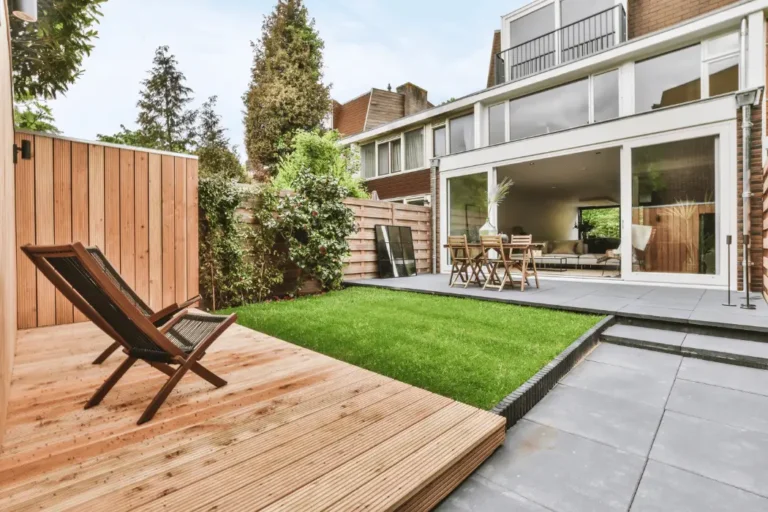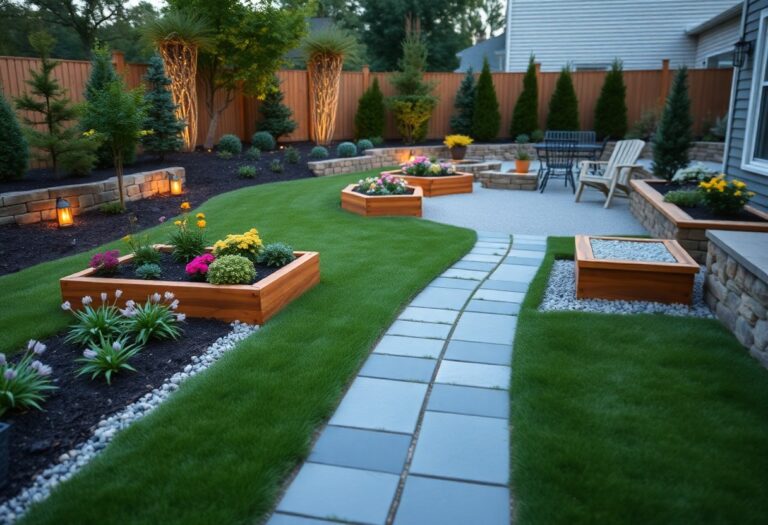
These are our Essential Steps For Timeless Hardscaping Beauty, to make your outdoor space amazing. Most homeowners underestimate how poor material choices can drastically shorten the life of their hardscape. You can avoid costly repairs by selecting weather-resistant materials suited to your region. Proper planning ensures clean lines and functional flow. You must invest in professional-grade installation to prevent shifting and cracks. Regular maintenance preserves beauty for decades.
Key Takeaways:
- Design with longevity in mind by choosing durable materials like natural stone, brick, or high-quality pavers that withstand weather and use over time.
- Plan the layout around function first-ensure pathways, patios, and steps support how the space will be used daily.
- Balance aesthetics with practicality by matching hardscape elements to the home’s architecture and surrounding environment.
- Invest in proper installation techniques, including solid base layers and correct drainage, to prevent shifting and water damage.
- Use timeless design patterns and neutral color palettes to keep the hardscape looking fresh for decades without feeling dated.
The Selection of Real Stone
You gain unmatched durability and natural elegance when choosing real stone for your hardscape. Each piece carries unique textures and colors that synthetic materials can’t replicate. Freeze-thaw resistance in stones like granite or limestone ensures longevity in harsh climates. Always inspect for structural integrity-avoid stones with visible cracks or excessive pitting. Your selection directly impacts both beauty and performance over decades.
The Deep Groundwork
You must begin with excavation that reaches below the frost line-this depth prevents shifting and ensures long-term stability. Soil composition matters more than you think; clay retains water and can destroy foundations, while sandy bases offer superior drainage. Your base layers-crushed stone and compacted gravel-should be leveled with precision, creating a solid platform. Skipping compaction leads to dangerous settling that ruins even the finest finishes. Always install edging deep enough to resist lateral pressure, locking everything firmly in place.
The Path of the Water
Water shapes your hardscape more than you realize. Ignoring natural drainage patterns leads to erosion and structural damage, undermining even the finest stonework. You must observe how rain flows across the surface after each storm. Proper slope and permeable materials prevent pooling and extend the life of your design. Let water guide your layout, not fight against it.
The Tightness of the Seams
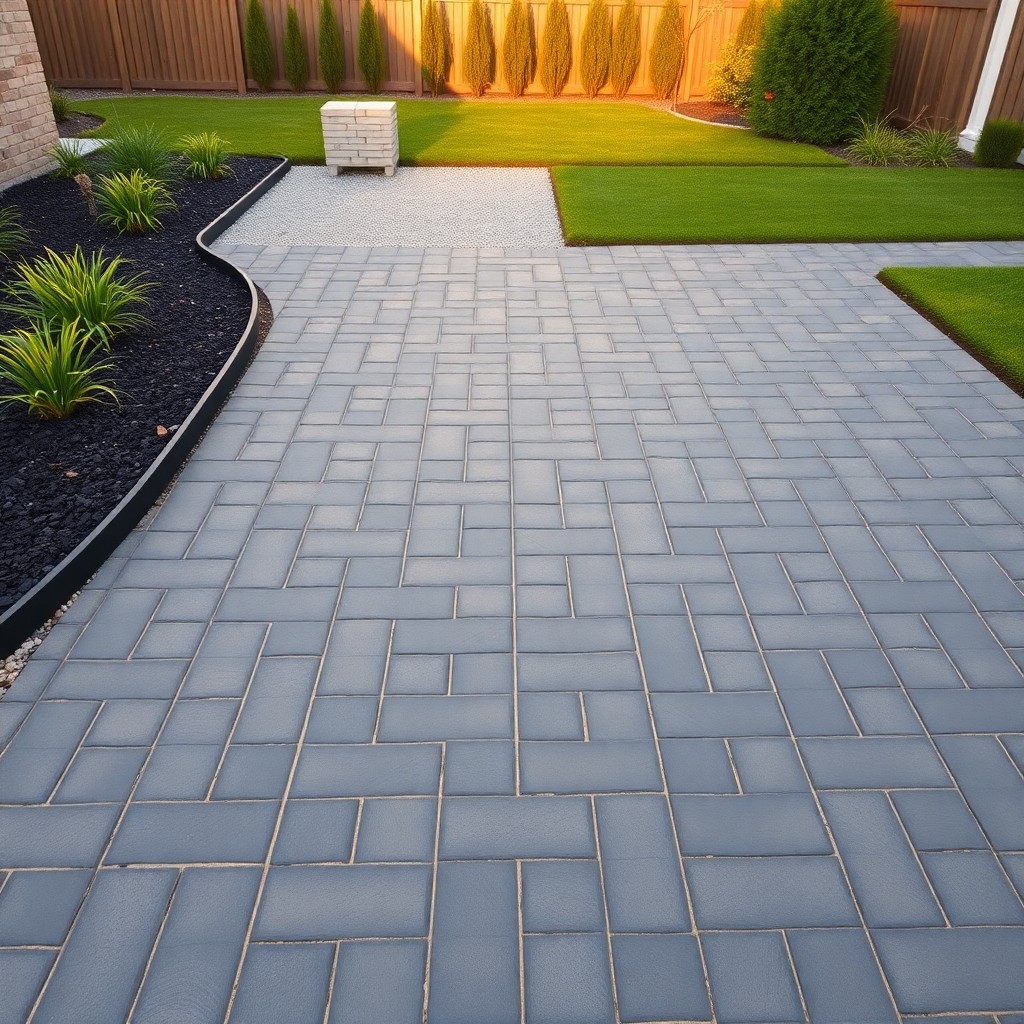
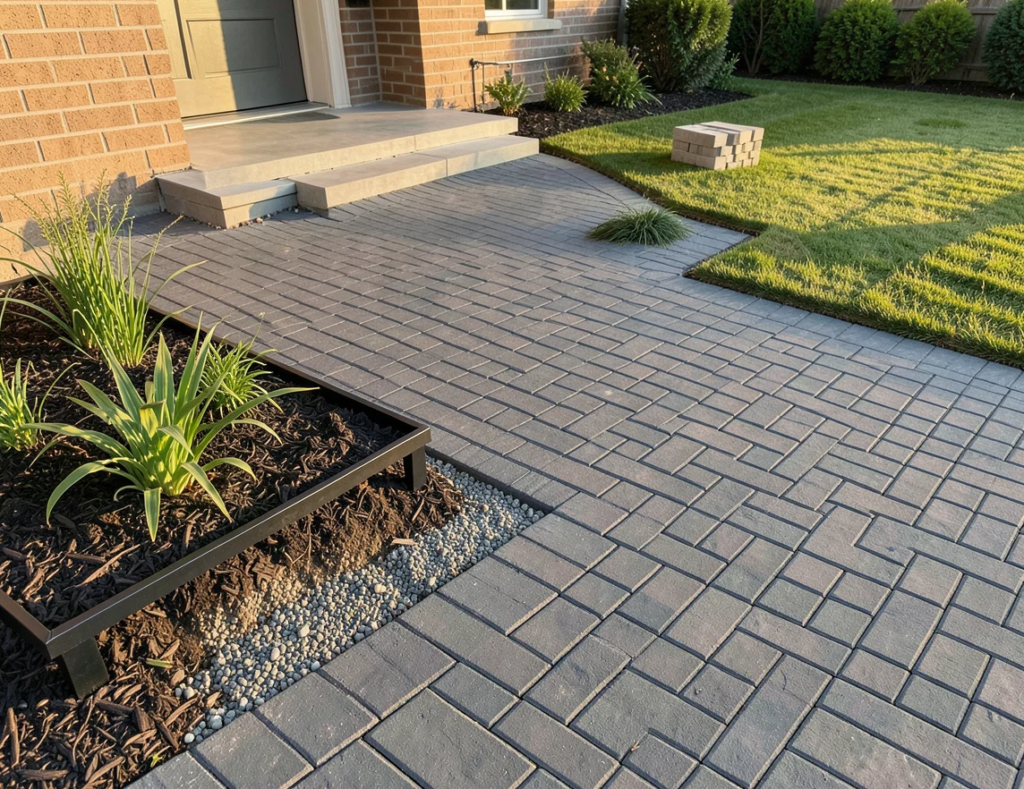
You feel the difference when running your hand over a well-laid paver-gaps are nearly invisible. Tight seams prevent weeds, reduce erosion, and stop pavers from shifting under foot traffic. Sand or polymeric jointing must be packed fully to lock units together. Loose joints lead to costly repairs, so precision here ensures lasting stability and clean lines for decades.
The Preservation of the Craft
You protect your hardscape’s integrity by committing to consistent, thoughtful upkeep. Ignoring minor cracks or shifting stones can lead to costly damage, undermining years of craftsmanship. Seasonal cleaning, proper sealing, and timely repairs preserve both appearance and function. How you maintain your stone, pavers, or mortar directly impacts longevity. Treat each element with care, and your work will endure for decades.
Conclusion
You achieve lasting hardscaping beauty by planning thoughtfully, choosing durable materials, ensuring proper drainage, maintaining consistent design themes, and committing to regular upkeep. Each step supports the longevity and appeal of your outdoor space. Your attention to detail today shapes how well your hardscaping stands the test of time.
FAQ
Q: What are the first steps to planning a long-lasting hardscape design?
A: Start by assessing your property’s natural features like slope, soil type, and sun exposure. Sketch a rough layout that includes walkways, patios, or retaining walls based on how you plan to use the space. Choose materials that match your home’s style and can handle your local weather-flagstone, pavers, and natural stone tend to age well. Make sure drainage is considered early, so water doesn’t pool near foundations or erode surfaces over time.
Q: How do I choose materials that will stay beautiful for years?
A: Look for dense, weather-resistant materials such as bluestone, granite, or concrete pavers with a proven track record in your climate. Avoid softer stones like sandstone in freeze-thaw zones-they can crack or flake. Test samples in your yard for a few weeks to see how they handle sun, rain, and foot traffic. Seal natural stone if recommended, but pick sealers that don’t create a shiny, artificial look. Matching material color and texture to your home’s exterior helps the hardscape feel integrated and timeless.
Q: Can plants affect the durability of my hardscape?
A: Yes, tree roots can lift pavers and crack retaining walls if planted too close. Avoid placing large shrubs or trees within 3-5 feet of patios or pathways. Use root barriers when necessary. Ground covers near edges can help prevent weeds from growing between stones, but pick non-invasive types that won’t spread aggressively. Proper plant placement protects your hardscape and reduces long-term maintenance.
About the Author