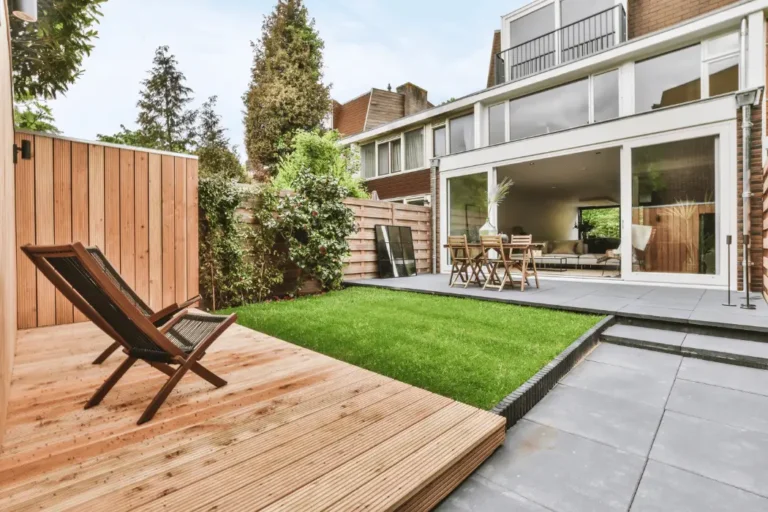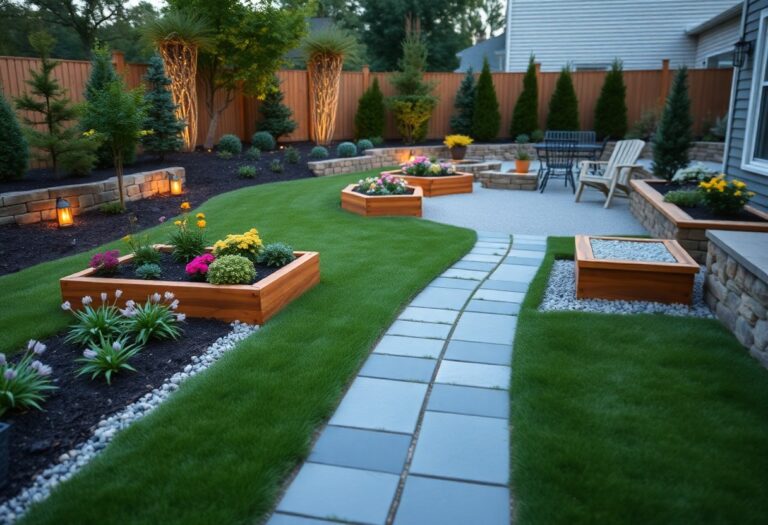
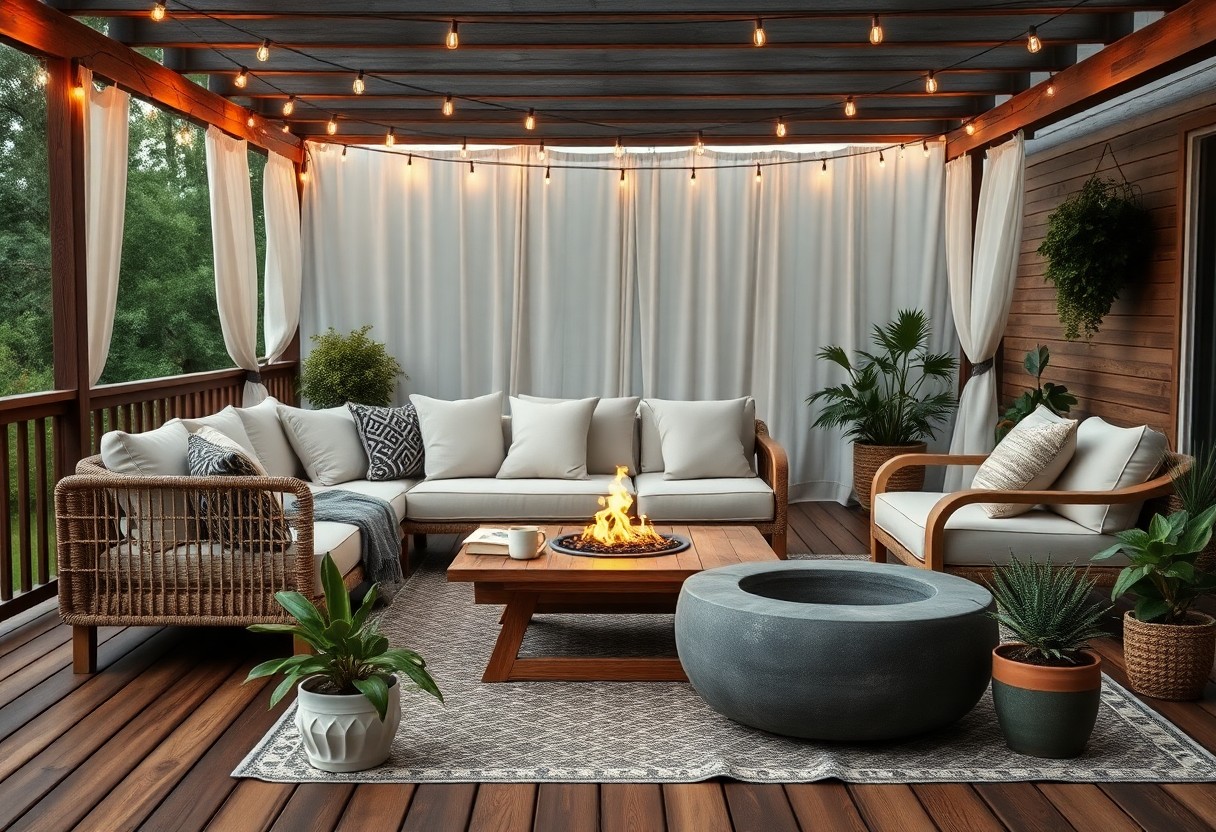
There’s nothing nicer in summer than enjoying a cozy outdoor seating area in your garden. Just imagine stepping into your backyard and sinking into a warm, inviting space made for unwinding. Comfortable seating, soft lighting, and weather-resistant materials are key to creating a relaxing atmosphere. You’ll want to choose a sheltered spot that offers privacy and protection from wind. Layer textures with cushions, rugs, and throws to add warmth. Plants and natural elements enhance serenity while defining your space. Avoid overcrowding-leave room to move and breathe. With thoughtful layout and personal touches, your outdoor area becomes a true retreat.
Key Takeaways:
- Comfortable seating should be the foundation of any cozy outdoor space-choose weather-resistant furniture with plush cushions and ergonomic support.
- Use soft lighting like string lights, lanterns, or solar-powered lamps to create a warm, inviting atmosphere after sunset.
- Layer textures with outdoor rugs, throw pillows, and blankets to add warmth and personality to the area.
- Incorporate natural elements such as potted plants, climbing vines, or a small water feature to enhance relaxation and blend the space with its surroundings.
- Create a sense of enclosure with screens, hedges, or outdoor curtains to provide privacy and protection from wind.
Evaluating Site Factors for Optimal Placement
- Sun exposure
- Wind direction
- Privacy
- Natural surroundings
Site conditions shape how you’ll use your outdoor space. Assess sun exposure, wind direction, privacy, and natural surroundings before placing furniture. Assume that comfort depends on smart positioning.
Analyzing sun exposure and wind direction
You’ll want to track sunlight patterns throughout the day. Morning sun warms seating early, while afternoon shade prevents overheating. Note prevailing winds and use barriers to block gusts. Assume that comfort hinges on aligning seating with sun exposure and sheltering it from harsh wind direction.
Prioritizing privacy and natural surroundings
Neighbors’ views and nearby structures impact your sense of seclusion. Use hedges, trellises, or plantings to create privacy without blocking airflow. Frame seating to face pleasant natural surroundings like trees or gardens. Assume that peace begins when eyes are shielded and nature is highlighted.
Creating a private retreat means shaping sightlines intentionally. Tall grasses or evergreen shrubs offer year-round screening, while a well-placed pergola adds overhead cover and visual separation. Position your seating so your gaze lands on calming elements-water features, flowering plants, or distant tree lines. These choices enhance privacy and deepen your connection to the natural surroundings, making the space feel like a true escape.
How-to Choose Comfortable Outdoor Furniture
Focus on both form and function when selecting pieces for your space. Durable construction and weather-resistant materials ensure longevity, while thoughtful design enhances comfort. Perceiving your outdoor area as an extension of your living space helps guide smart choices.
Selecting durable and weather-resistant materials
Choose materials like powder-coated aluminum, teak, or all-weather wicker to withstand sun, rain, and temperature shifts. Avoid untreated wood or flimsy metals that warp or rust over time. Perceiving long-term value means investing in materials built to last.
Tips for ergonomic and supportive seating
- Opt for chairs with lumbar support
- Select deep seats with cushioned upholstery for relaxation
- Ensure armrests are at a natural height for easy posture
- Test seat depth and back angle before purchasing
Supportive design prevents fatigue during extended use. Ergonomic shapes align with your body’s natural curves, making lounging more enjoyable. Perceiving comfort as a necessity-not a luxury-transforms your outdoor experience.
When evaluating seating, pay close attention to how the piece supports your spine and distributes weight. A well-designed chair includes contoured backs, generous cushioning, and stable frames that don’t wobble. Seating height should allow feet to rest flat, promoting circulation. Perceiving subtle differences in design helps you choose what truly fits your body.
Layering Textiles for Maximum Coziness
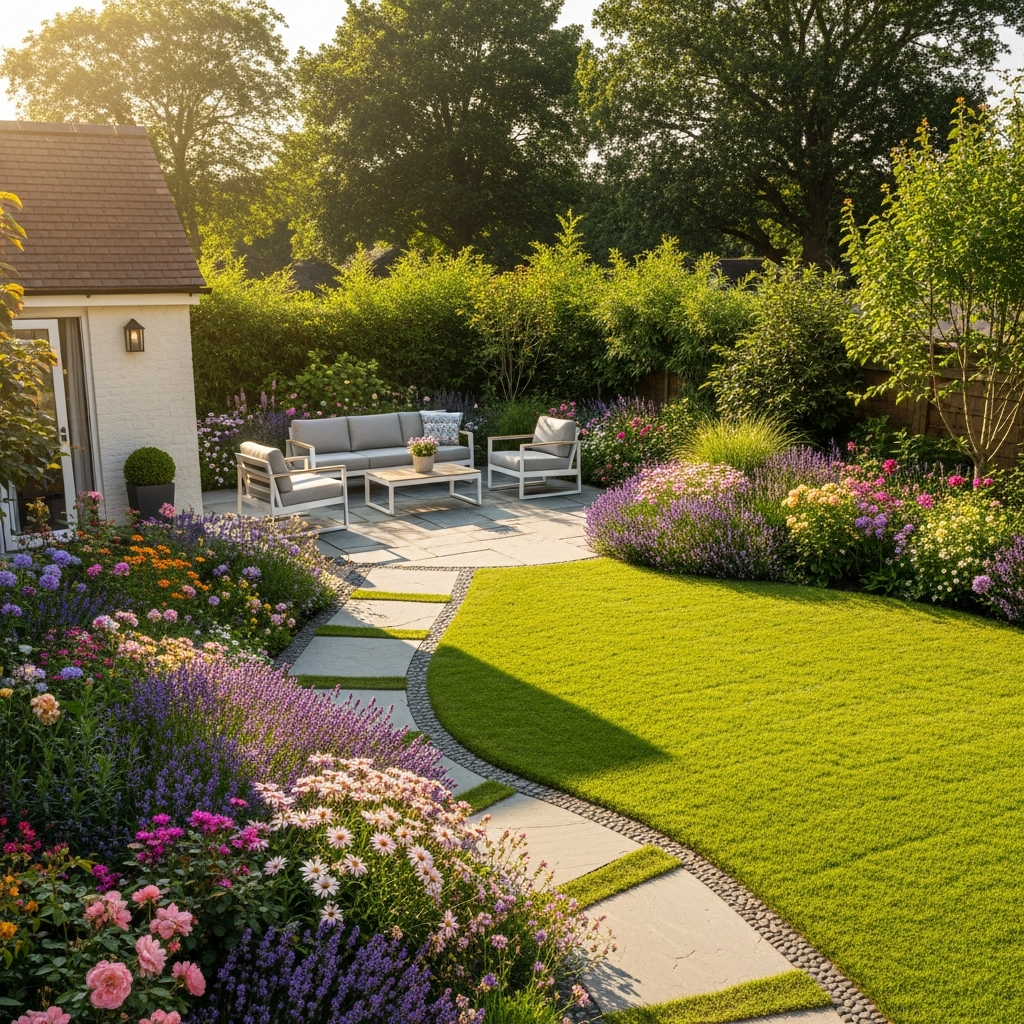
Comfort begins with texture. You can transform even the simplest seating setup into a warm retreat by layering outdoor textiles thoughtfully. Start with a base of weather-resistant cushions, then add soft throws and accent pillows in varying materials and tones. The contrast of textures invites touch and enhances visual warmth, making your space feel lived-in and inviting after just one use.
Integrating outdoor rugs and plush cushions
Ground your space with an outdoor rug that defines the seating area and adds underfoot comfort. Plush cushions in complementary colors boost softness and encourage longer lounging. Choose pieces that resist moisture and UV damage so your setup stays fresh through seasons of use.
Selecting high-performance fabrics for longevity
Durability matters when choosing fabrics exposed to sun, rain, and frequent use. Look for solution-dyed acrylics or polyester blends engineered to resist fading and mildew. These materials maintain color and strength for years, reducing replacement costs and keeping your space looking polished.
High-performance fabrics go beyond just surviving the elements-they maintain comfort and appearance over time. When you select materials like Sunbrella or Outdura, you’re investing in fabric that withstands daily wear while remaining soft to the touch. These textiles are bleach-cleanable and resist stains, making them ideal for homes with kids or pets. Always check manufacturer warranties and cleanability ratings before purchasing to ensure long-term satisfaction.
How-to Implement a Layered Lighting Scheme
You create depth and comfort by combining different light sources. Overhead fixtures provide general illumination, while lower-level lights add warmth and intimacy. Balance is key-use a mix of heights and intensities to avoid harsh contrasts and support relaxation after dark.
Utilizing soft ambient and accent lighting
String lights draped overhead cast a gentle glow that defines the space without overwhelming it. Place LED candles or low-wattage lanterns near seating to highlight textures and create pockets of calm. Subtle brightness keeps the mood serene and inviting.
Enhancing the evening mood with warm tones
Warm white bulbs (2700K-3000K) mimic sunset light, making your space feel naturally welcoming. Cool tones feel clinical and disrupt relaxation, while warm light supports a peaceful transition into night. This simple choice profoundly affects comfort.
Warm lighting doesn’t just look inviting-it influences how your body unwinds. Cooler light can suppress melatonin, making it harder to relax, while warm tones support your natural circadian rhythm. By choosing bulbs that emit a golden hue, you signal to your mind that it’s time to slow down. This biological response enhances true relaxation, turning your outdoor area into a restful retreat after sunset.
Incorporating Climate Control Features
Comfortable outdoor seating depends on managing temperature year-round. You can extend usability into cooler months with well-placed heaters, fire pits, and shaded zones under pergolas or umbrellas. Assume that
Tips for installing fire pits and heaters
- Position fire pits away from overhanging branches and seating at a safe distance
- Choose between gas or wood-burning fire pits based on convenience and ambiance
- Mount heaters at shoulder height for optimal warmth distribution
- Use weather-resistant covers when heaters are not in use
Always follow local safety codes when setting up heating elements. Place fire pits on non-flammable surfaces and keep extinguishing tools nearby. Assume that
Strategic placement of pergolas and umbrellas
Shade structures should block harsh midday sun while allowing evening light. Align pergolas east to west to cover seating during peak sunlight. Use adjustable umbrellas for flexible coverage. Assume that
Positioning a pergola along the southern edge of your seating area maximizes shade when the sun is highest. Retractable canopies add control over light and rain protection. Pairing umbrellas with open-lattice pergolas enhances airflow while reducing UV exposure. Assume that
Adding Greenery and Natural Elements
Plants transform outdoor spaces into peaceful retreats by softening hard lines and inviting nature closer. You can use foliage to define zones, improve air quality, and add seasonal interest. Well-placed greenery enhances comfort and privacy, making your seating area feel like a secluded sanctuary.
Using plants to create organic boundaries
Strategically planting shrubs or tall grasses forms natural screens that shield your space without blocking light. You gain privacy while maintaining an open, airy feel. These living walls reduce noise and wind exposure, creating a more intimate and protected environment for relaxation.
Utilizing water features for sensory relaxation
Adding a small fountain or bubbling urn introduces gentle sound that masks urban noise. You’ll notice how the soft trickle calms the mind and draws attention away from stress. The movement of water adds a dynamic, soothing element that enhances the overall serenity of your outdoor retreat.
Water features do more than just look appealing-they engage multiple senses to deepen relaxation. The sound of flowing water triggers a psychological response that lowers stress hormones, helping you unwind faster. Position a compact fountain where you can see and hear it from your seat, ensuring maximum sensory benefit with minimal maintenance. Recirculating systems keep water use efficient, while stone or ceramic finishes blend naturally with surrounding greenery.
To wrap up
Now you know how to design cozy outdoor seating areas for relaxation. Choose comfortable, weather-resistant furniture, arrange pieces to encourage conversation, and add soft lighting, warm textiles, and greenery. Position your space for privacy and shade, ensuring it feels inviting and calm. Your outdoor retreat should reflect your style while supporting rest and connection.
FAQ
Q: What type of furniture works best for a cozy outdoor seating area?
A: Comfortable, weather-resistant furniture is key to creating a relaxing outdoor space. Deep-seated cushioned chairs, loveseats, or sectionals made from materials like teak, aluminum, or all-weather wicker hold up well in the elements. Look for pieces with soft, fade-resistant fabrics such as Sunbrella. Include a coffee table or side tables within arm’s reach for convenience. Choose a layout that encourages conversation, like arranging seats in a U-shape or around a central focal point such as a fire pit or planter.
Q: How can lighting enhance the coziness of an outdoor seating area?
A: Soft, layered lighting sets a warm and inviting mood after sunset. String lights draped overhead create a magical glow and are easy to install. Place solar-powered path lights along walkways for safety and ambiance. Add table lamps on side tables or lanterns with LED candles for a flickering effect. Consider dimmable LED fixtures around seating zones to adjust brightness based on the activity. Avoid harsh, bright overhead lights-opt for warm-toned bulbs (2700K-3000K) to mimic candlelight.
Q: What natural elements can make an outdoor seating space feel more relaxing?
A: Incorporating plants, water features, and natural materials deepens the sense of calm. Use potted trees, climbing vines on trellises, or flower beds around the seating area to create a green, sheltered feel. A small fountain or bubbling urn adds soothing background sound. Wooden decking, stone pavers, or gravel underfoot connect the space to nature. Include shade with a pergola, umbrella, or shade sail to make the area usable during sunny hours. The blend of texture, sound, and shelter helps turn a simple patio into a peaceful retreat.
About the Author