

You can spot a truly outstanding local agent by how specifically they talk about your street, not just your ZIP code. They’ll ask sharp questions about your timeline, risk tolerance, and must-haves, then back pricing and strategy with micro-market data, recent offer patterns, and clear tradeoffs. They’ll communicate fast, negotiate with calm confidence, and bring reliable vendors when things get tense. But there’s one simple test most “locals” fail…
Key Takeaways
- Demonstrates block-by-block market mastery using recent comps, list-to-sale ratios, zoning details, and clear evidence—not vague claims.
- Diagnoses your goals on the first call and builds a tailored pricing, timing, and marketing plan around your lifestyle and constraints.
- Communicates proactively with transparent updates, fast responses, and plain-language explanations of facts, uncertainties, and next steps.
- Reads offer signals and buyer psychology early, then negotiates with data—trading price for stronger terms, tighter timelines, and fewer contingencies.
- Manages inspections and vendors calmly, prioritizing safety and insurability, using trusted local inspectors and contractors to keep deals on track.
What Makes a Great Local Real Estate Agent?

While plenty of agents can open doors and run comps, a truly great local real estate agent pairs deep neighborhood knowledge with sharp negotiation skills and a clear, proactive communication style that keeps you in control. You’ll feel it in how they translate micro-market shifts into pricing and timing decisions, flag block-by-block differences, and explain tradeoffs without pressure. They anticipate friction points—inspection findings, appraisal gaps, lending timelines—and coordinate solutions before deadlines tighten. You also benefit from their Community engagement: they know which streets are trending, which HOAs are strict, and how school and transit changes affect value. By staying visible at local events, they hear what residents and builders are planning next, helping you buy or sell with fewer surprises and stronger leverage.
Your Quick Checklist: Skills to Verify Fast
You can usually spot a standout local agent by how they handle the basics under real-world pressure—pricing a quirky comp set, explaining a strategy in plain language, and keeping timelines tight without hand-holding. Ask for a one-page plan: target price range, launch steps, showing cadence, and decision points. Verify they use clean data (days on market, concessions, absorption) and can justify every adjustment. Have them outline marketing strategies: pro photos, staging guidance, listing copy, email blasts, portals, and retargeting, plus how they’ll track results weekly. Confirm responsiveness with a sample communication schedule and escalation path. Check process control: vendor roster, inspection triage, repair credits, appraisal prep, and contract deadlines. Look for Community engagement that’s practical: partnerships that generate leads, not buzz.
How to Confirm Neighborhood Expertise (Micro-Markets)
To confirm a local agent’s neighborhood expertise, you’ve got to hear street-level specifics, not broad citywide averages. Ask them to explain how pricing, buyer demand, and time-on-market shift from one block to the next—and what features drive those changes. Then have them back it up with block-by-block sales evidence, including recent comps, list-to-sale ratios, and why certain homes outperformed nearby ones.
Street-Level Market Knowledge
Because neighborhoods can shift block by block, an outstanding local agent doesn’t rely on citywide averages—they track micro-markets at street level and can explain exactly why two homes a few corners apart sell at different prices and speeds. To confirm you’re getting true street-level market knowledge, ask what they’re seeing right now in Neighborhood trends: which school boundaries are pulling demand, where walkability premiums show up, and which streets suffer from cut-through traffic or noise. Have them translate Local zoning into practical guidance—ADU rules, height limits, historic overlays, and upcoming corridor plans that can affect value, remodeling options, and buyer appetite. You should leave the conversation with specific, actionable insights you can use to set pricing, timing, and your negotiation posture.
Block-By-Block Sales Evidence
Street-level insight only matters if it shows up in the comps, so a truly outstanding local agent backs every claim with block-by-block sales evidence. You’ll see them pull recent closed sales, not just active listings, then segment by the same street, school zone, lot size, and renovation level. They’ll explain why two homes 300 feet apart can price differently because of traffic cut-throughs, zoning overlays, or a view corridor, and they’ll quantify it with price-per-square-foot ranges and days-on-market. You’ll also get clear Market trends: seasonal shifts, concession patterns, and appraisal gaps, tied to specific micro-areas. Ask for Client testimonials that reference accurate pricing calls and negotiation outcomes on your exact blocks. That’s expertise you can verify quickly.
How to Spot Real-Time Market Knowledge (Not Hype)

Ask for a tight snapshot of Market trends: where buyers are bidding up, where sellers are cutting, and how inventory shifted since last week. A strong agent backs claims with Data analysis from the MLS, showing micro-area comps, list-to-sale ratios, and whether recent closings were financed or cash. They’ll flag what’s driving movement—rate changes, seasonality, or a new employer—and translate it into what your pricing and timing need to reflect right now, not last quarter.
The First Call: Questions a Great Agent Asks You
Before they ever talk square footage or comps, a great local agent uses the first call to diagnose your goals and constraints with sharp, practical questions—why you’re moving, what “success” looks like, how firm your timeline is, and what trade-offs you won’t make. They’ll ask how you live day to day (commute, schools, pets, hobbies), your financing readiness, and your must-haves versus nice-to-haves. If you’re selling, they’ll probe your home’s condition, upgrades, pain points, and your risk tolerance on pricing. You’ll hear questions that reveal their Community engagement: Which blocks feel right, what amenities you’ll actually use, and where demand is shifting. You’ll also get early hints of marketing strategies tailored to your property type, not generic promises.
Communication Standards: Updates, Speed, Transparency
Even if the market’s moving fast, you shouldn’t have to wonder where things stand. A truly outstanding local agent sets clear expectations for how you’ll communicate, then follows through—every time. You get proactive updates, fast replies, and plain-language explanations, not vague reassurances. They practice Communication ethics by confirming facts before sharing them, documenting key conversations, and protecting your confidentiality. Just as important, they follow transparency policies: they disclose what they know, what they don’t, and what they’re doing next.
- Update cadence: daily check-ins during active phases and same-day summaries after major events.
- Response standards: urgent calls returned within hours; routine questions answered by end of day.
- Clarity controls: written action items, timelines, and decision points you can review anytime.
Pricing Strategy: Sellers List Price vs. Buyers Offer Price
You set a smart list price by anchoring it to recent comps, current inventory, and your home’s condition, so you attract qualified buyers without leaving money on the table. You read buyer offer signals—terms, contingencies, timing, and escalation language—to separate real leverage from noise. You then negotiate toward true market value with clear counter strategies, tight deadlines, and evidence-backed adjustments that keep your bottom line protected.
Setting A Smart List Price
Although a seller controls the list price, the market decides the offer price, so a truly outstanding local agent sets a number that attracts serious buyers without leaving money on the table. You’ll price with intent, not hope, using tight comps, current absorption, and local demand pockets. With pricing psychology and market segmentation, you’ll position your home where the right buyers are already shopping, while avoiding stale-listing risk.
- Anchor to recent, truly comparable sales, then adjust for condition, updates, and micro-location.
- Choose a range that matches buyer search bands (e.g., $499K vs. $510K) to maximize visibility.
- Validate against active competition and days-on-market trends, so your price stays credible from day one.
Reading Buyer Offer Signals
How can a list price that looks “right” still signal the wrong thing to buyers? If you land on a tidy, rounded number, you may accidentally tell shoppers you’re leaving “room” or that you’re anchored to emotion, not data. A standout local agent watches Offer signals from day one: showing volume, second-visit patterns, saved-search activity, agent feedback, and the timing and structure of early offers.
You also read Buyer psychology in the gap between list and offer. A small discount request with clean terms can mean you’re near perceived value; a steep first offer with many contingencies can mean buyers think you’re overpriced or the home has hidden risk. You adjust marketing and positioning fast, so offers improve without guesswork.
Negotiating Toward Market Value
Once the offers start coming in, a top local agent treats list price as an opening position—not a destination—and negotiates every term toward true market value. You’ll see them separate emotion from data, then calibrate your counter based on Market fluctuations, recent comps, and competing inventory. They won’t just “get you a higher number”; they’ll protect your net and your timeline.
- Anchor with evidence: You counter using tight comp ranges, appraisal realities, and buyer demand, not guesses.
- Trade, don’t concede: You use negotiation tactics to swap price for stronger terms—shorter inspection, higher earnest money, fewer contingencies.
- Control momentum: You set response deadlines, leverage backup offers, and keep communication crisp to prevent retrades.
That’s how your list price becomes a strategy, not a sticker.
Offer Strategy: How Your Agent Wins Without Overpaying
In a competitive market, your offer has to do more than just hit a price—it needs to signal certainty, speed, and a clean path to closing. Your agent structures terms that fit your budget while boosting appeal: strong proof of funds, a reputable lender letter, and a realistic closing date that matches the seller’s move-out needs.
To keep you from overpaying, your agent anchors the number to recent comps, current demand, and likely appraisal support, then sets a walk-away point before emotions rise. They also use marketing tactics and community involvement to gather insider context—how many serious buyers are circling, what features command premiums, and which listings are priced to invite bidding. You submit a crisp, complete package that sellers trust.
Negotiation Beyond Price: Repairs, Credits, Timelines
Even if your offer price lands, the real leverage often shows up in what happens after inspections and lender deadlines hit. You need an agent who negotiates the whole contract, not just the number, so you don’t inherit surprise costs or lose your rate lock.
- Repairs vs. credits: You’ll compare contractor realities, lender rules, and your cash flow, then push for the option that protects your budget and closing certainty.
- Timelines that work: You’ll tighten response windows, align appraisal and financing milestones, and negotiate possession terms that match your move and the seller’s constraints.
- Add-ons with value: You’ll target warranties, prepaid items, and personal property, using creative marketing leverage and community involvement connections to keep talks moving.
You stay in control without escalating conflict.
Inspections: How Great Agents Keep Deals Calm
Because inspections can surface everything from minor wear to real safety issues, a great local agent keeps you focused on facts, not fear. You’ll get a clear plan: attend the inspection, capture notes and photos, and separate urgent defects from routine maintenance. Your agent helps you read the report like a roadmap, flagging what affects safety, structure, water intrusion, and insurability, while deprioritizing cosmetic items that don’t change value.
You’ll also stay calm because your agent sets expectations early—before property staging and virtual tours ever get you emotionally attached—so findings feel manageable, not shocking. When issues appear, your agent organizes questions for the inspector, confirms what’s truly unknown, and documents next steps and deadlines so you don’t miss your negotiation window.
Vendor Network: Lenders, Inspectors, Contractors Who Deliver
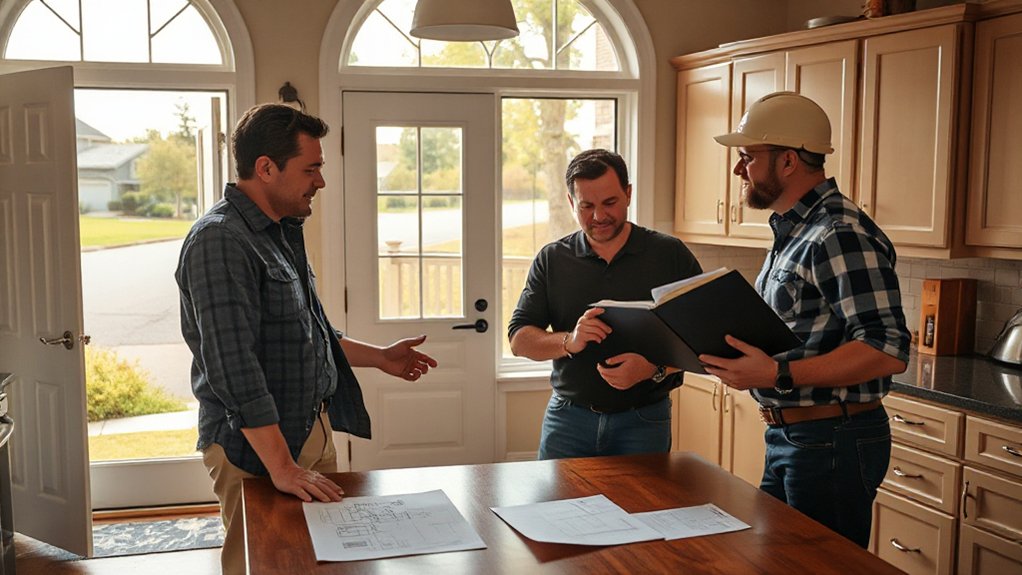
You don’t just need names—you need a vetted local network that performs on deadlines and communicates clearly. Your agent should connect you with lender partners who can pre-underwrite, hit contract timelines, and solve issues fast, plus inspectors who document findings thoroughly and explain real risk. When repairs or credits come up, you want contractors you can trust for accurate bids, clean scope, and reliable scheduling so your negotiation stays grounded in facts.
Vetted Local Lender Partners
When financing timelines get tight or a file runs into an unexpected snag, a truly outstanding local agent doesn’t just “suggest a lender”—they connect you with vetted local lending partners who consistently close on time. You get introductions to loan officers who know local underwriting norms, appraisal trends, and how zoning regulations can affect eligibility, value, or property use. They’ll help you compare mortgage options without guesswork, so you choose terms that fit your cash flow and risk tolerance. Your agent also coordinates clean documentation and fast answers, keeping your offer strong and your closing date protected.
- Prequalified lenders with proven on-time closing rates
- Clear rate/fee breakdowns and scenario planning
- Rapid problem-solving with appraisers and underwriters
Trusted Inspectors And Contractors
Strong lending support keeps your financing on track, but the deal still hinges on the home’s condition and the quality of the work it may need. You want inspectors who don’t miss costly defects, and contractors who price and schedule work realistically. A top local agent connects you with licensed pros who know neighborhood construction patterns, common moisture issues, and aging systems. They coordinate access, attend inspections when you can’t, and help you interpret findings so you can negotiate repairs or credits with confidence. You’ll also benefit from vendors who understand permit timelines, zoning regulations, and how improvements can affect property tax. With reliable reports, clean bids, and documented warranties, you avoid surprises, close on time, and protect your investment.
Red Flags: When a “Local” Agent Isn’t Local
Although plenty of agents market themselves as “local,” the truth shows up fast once you ask a few grounded questions. A genuinely local pro speaks from lived patterns—schools, commutes, micro-markets—and backs it with Community engagement and local history, not generic hype.
- They dodge specifics: you hear “up-and-coming” instead of block-by-block price differences, noise sources, or seasonal traffic.
- They can’t name local staples: they stumble on neighborhood boundaries, zoning quirks, HOA norms, or which streets flood after heavy rain.
- Their network feels imported: they push unfamiliar vendors, can’t explain why certain inspectors fit older housing stock, and miss long-term maintenance issues common to the area.
If you spot these, you’re not getting a local advantage—you’re funding a learning curve.
Interview + Comparison: Scorecards, Stats, and References
Spotting the red flags is useful, but you’ll make a cleaner decision if you compare agents on the same playing field with an interview scorecard. Build categories you can rate: pricing strategy, negotiation plan, communication cadence, vendor network, and local market knowledge by neighborhood. Ask for proof, not promises.
Next, pull stats that matter to you: list-to-sale price ratio, average days on market versus area averages, and recent activity in your price band. Confirm they’ll share a net sheet and marketing calendar. Check Community engagement: boards, schools, events, and partnerships that feed real buyer demand. Review their Social media presence for consistency, local content, and lead capture, not vanity likes. Finally, call three references and ask about surprises, responsiveness, and results.
Frequently Asked Questions
What Does a Buyer’s Agent Agreement Include, and Is It Negotiable?
A buyer’s agent agreement includes buyer representation duties, exclusivity, term, compensation, services, and termination terms; it’s negotiable. You can adjust fees, duration, scope, and exit clauses within agency agreements, matching your needs and market conditions.
How Do Agents Handle Dual Agency, and What Are the Risks?
Like a guide holding two lanterns, you’ll see agents disclose and get written consent, then stay neutral. Dual agency risks include diluted advocacy and confidentiality leaks; Ethical considerations require strict transparency, limited advice, and clear boundaries.
What Happens if a Deal Falls Through—Do Fees Still Apply?
If your deal falls through, you usually won’t owe commission, but you may still pay for inspections, appraisal, or marketing, depending on fee structures. Review your contract, and align property valuation work scope upfront.
Can an Agent Help With Estate, Probate, or Trust-Owned Property Sales?
Yes—an agent can guide estate, probate, or trust-owned sales; about 1 in 10 U.S. listings involve estates. You’ll coordinate Estate planning and trust administration steps, required disclosures, court timelines, valuations, and clean closings.
How Do Capital Gains Taxes Affect My Home Sale Proceeds?
Capital gains taxes can reduce your net proceeds after closing, depending on your profit and IRS exclusions. You’ll weigh tax implications like basis, improvements, and residency rules. You should consult a tax pro early.
Conclusion
When you choose a truly outstanding local agent, you don’t just get a sign in the yard—you get strategy, speed, and straight answers. You’ll hear sharp, street-level insights on micro-markets, realistic pricing, and buyer behavior, backed by timely data. You’ll feel calm through inspections because they coordinate credible contractors and clear communication. You’ll spot integrity in responsive follow-through and verifiable references. In the end, you secure a partner who’s prepared, precise, and proudly plugged in.
About the Author