
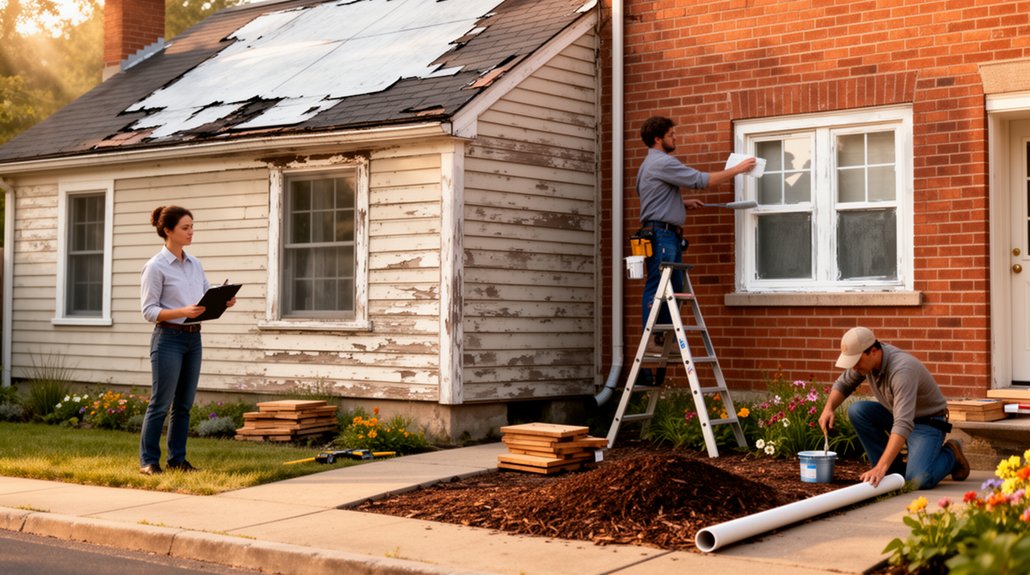
An older cottage or townhouse is a timeworn compass—you can trust its character, but only if you keep it calibrated. You start by commissioning a baseline inspection that maps aging plumbing, wiring, and moisture pathways. You then set a seasonal plan for gutters, roof flashing, window seals, and drainage, and you document repairs to meet preservation standards. You’ll also need vetted, licensed trades who understand old materials, because one “quick fix” can trigger a chain reaction…
Key Takeaways
- Property managers arrange baseline inspections to document structure, moisture risks, and aging systems, then prioritize repairs by urgency and safety.
- They coordinate code-compliant electrical upgrades, including grounding, panel capacity, and AFCI/GFCI protection, using licensed electricians and permits.
- They prevent moisture damage by maintaining roofs, gutters, flashing, drainage, and ventilation, and monitoring humidity in basements, baths, and attics.
- They reduce plumbing leaks and backups by mapping pipe materials, scheduling camera scopes, replacing failing valves, and installing leak sensors where practical.
- They run seasonal maintenance calendars and vendor scopes, using preservation-friendly materials and clear tenant reporting procedures to protect historic finishes.
Top Maintenance Priorities in Older Homes
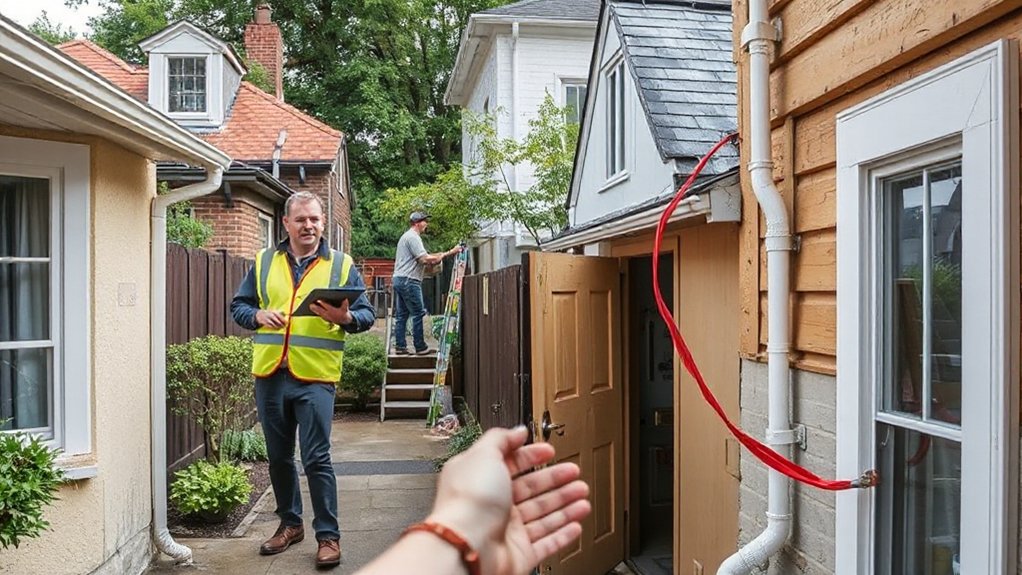
Because older homes hide wear behind finishes and renovations, you should start your maintenance plan by prioritizing the systems most likely to cause safety risks or expensive damage. Address electrical panels, aging wiring, and ungrounded outlets; upgrade with code-compliant methods that support Historic preservation. Next, control moisture: repair roof flashing, maintain gutters, seal foundations, and verify bathroom and attic ventilation to prevent rot, mold, and termite activity. Service HVAC, boilers, and chimneys annually, and confirm carbon monoxide and smoke detection. Evaluate plumbing for galvanized lines, lead risks, and failing shutoff valves; add leak sensors where feasible. Finally, protect finishes thoughtfully: stabilize plaster, refinish wood windows, and choose interior design updates that don’t trap moisture or block airflow. Keep documentation for warranties and future planning.
How Property Managers Start With a Baseline Inspection
Once you’ve set your maintenance priorities, a property manager establishes a baseline inspection to document the home’s current condition and create a defensible work plan. You’ll get dated photos, notes, and measurements that track wear, prior repairs, and code concerns without guessing. For Historic preservation, they’ll flag original materials, past alterations, and any protected features before recommending changes. They’ll also set expectations through tenant communication, explaining access needs, reporting procedures, and what “normal” looks like in an older home.
- Verify structure and envelope: rooflines, masonry, foundations, drainage, and moisture entry points.
- Assess critical systems: electrical capacity, plumbing supply/returns, heating safety, and ventilation performance.
- Record interior condition: floors, plaster, windows, doors, and safety devices, with repair urgency tiers.
How Property Managers Build a Seasonal Maintenance Plan
After the baseline inspection confirms what you’re working with, a property manager turns those findings into a seasonal maintenance plan that matches your home’s age, materials, and climate risks. You’ll get a calendar that prioritizes roof and gutter clearing, masonry repointing checks, paint and caulk touch-ups, window and door weatherstripping review, and attic ventilation verification before temperature swings. In spring and fall, they schedule exterior drainage grading reviews, wood rot spot repairs, and pest exclusion where older envelopes gap. For Historic preservation, they specify compatible mortars, breathable finishes, and gentle cleaning methods, then document decisions for future work. For Interior restoration, they plan humidity control targets, plaster hairline-crack monitoring, and flooring refinish timing to avoid peak occupancy. You’ll receive vendor scopes, cost ranges, and inspection checkpoints each season.
How Property Managers Prevent Plumbing Leaks and Backups
Where do plumbing leaks and backups usually start in an old home? You’ll often find early failures at corroded joints, shifting pipe runs, and tired seals common in Vintage plumbing. A property manager reduces risk by scheduling inspections, documenting pipe materials, and enforcing drain-use rules with tenants. You also benefit from rapid Leak detection that limits rot, mold, and plaster damage.
- Camera-scoped drain checks: You catch roots, scale, and bellies before slow drains become backups.
- Pressure and moisture monitoring: You identify pinhole leaks, toilet silent fills, and supply-line weeps early.
- Preventive servicing: You flush water heaters, replace angle stops, clean traps, and install strainers.
They coordinate licensed plumbers, verify permits, and require photo proof of repairs and shutoff tests.
How Property Managers Handle Electrical Updates Safely
Plumbing isn’t the only aging system that can trigger sudden, expensive damage in an old home—outdated wiring can also create fire and shock hazards if updates aren’t managed carefully. Your property manager protects Electrical safety by arranging a licensed electrician to inspect panels, breakers, grounding, and any knob-and-tube or aluminum runs before work begins.
You’ll get a written scope for wiring upgrades, including load calculations for modern appliances, dedicated circuits where required, and AFCI/GFCI protection in appropriate locations. They pull permits, schedule inspections, and keep documentation for insurance and resale. They also plan access to minimize disturbance, require lockout/tagout during service, and verify proper labeling of circuits at completion. Finally, they confirm the electrician’s credentials, warranty terms, and post-work testing results before closing the job.
How Property Managers Control Moisture, Mold, and Rot
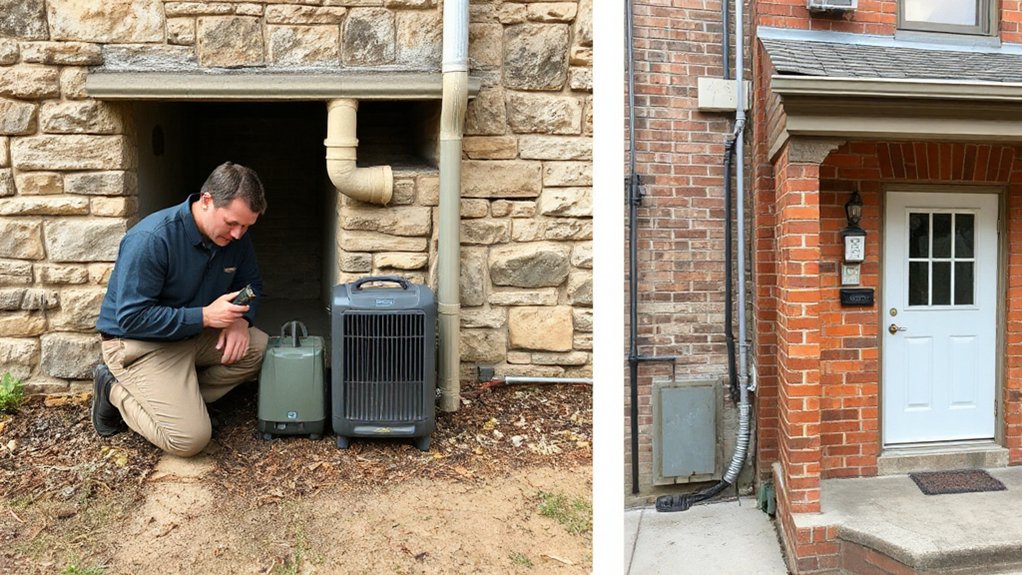
Because older homes often lack modern vapor barriers and balanced ventilation, moisture can accumulate unnoticed and quickly lead to mold growth and wood rot. Your property manager limits damage by inspecting basements, crawlspaces, baths, and kitchens, then documenting readings with hygrometers and moisture meters to target the source, not just the stain. You’ll get a practical plan that prioritizes health and structural integrity:
- Install and maintain Moisture barriers on exposed soil, masonry, and vulnerable framing, and seal penetrations around plumbing and mechanical runs.
- Reduce indoor humidity with calibrated exhaust fans, dehumidifiers, and verified airflow paths; you’ll receive threshold targets and monitoring intervals.
- Coordinate certified mold remediation, including containment, HEPA filtration, and post-clearance verification, then schedule follow-up inspections to prevent recurrence.
How Property Managers Weatherproof Windows, Roofs, and Gutters
Although old-house assemblies can tolerate some seasonal movement, you can’t rely on “it’s always been that way” when water and wind find the weak points. You schedule seasonal inspections and document gaps, staining, and drafts so repairs stay targeted and measurable. At windows, you prioritize storm window installation, tune sash hardware, replace brittle glazing putty, and apply backer rod plus high-quality exterior sealing where trim meets siding. On roofs, you verify flashing at chimneys, valleys, and dormers, reset lifted shingles, and seal exposed fasteners; you also confirm attic ventilation to limit ice-dam risk. For gutters, you clear debris, correct pitch, extend downspouts, and add guards where trees overhang. You test with a hose and confirm runoff exits well away from foundations.
How Property Managers Hire the Right Old-Home Contractors
When you manage an old home, you can’t hire contractors on price and availability alone, since outdated materials and layered repairs punish shortcuts fast. You protect value by prioritizing Historical preservation and disciplined contractor vetting, so every repair matches the building’s era, tolerances, and load paths.
- Verify old-home credentials: ask for portfolio photos, permit history, and references for similar cottages or townhouses.
- Confirm methods and materials: require written scopes specifying lime mortar, lead-safe containment, matching millwork profiles, and reversible fasteners where appropriate.
- Control risk and quality: check licensing, insurance, and warranties, then schedule site walks, require daily notes, and hold payment milestones to inspections.
You’ll reduce callbacks, prevent moisture traps, and keep finishes historically accurate for years.
Frequently Asked Questions
How Much Does Property Management for an Older Home Typically Cost?
You’ll typically pay 8–12% of monthly rent in Management fees, plus leasing charges and Maintenance costs. You should budget extra reserves for aging systems; you’ll reduce surprises by requesting itemized quotes and caps.
Will a Property Manager Help With Permits and Historical Preservation Rules?
Yes, you’ll get help: your property manager coordinates Historical regulations compliance, prepares Permit applications, and liaises with planning offices and preservation boards. You’ll still sign final filings, but they’ll track deadlines and documentation.
How Do Property Managers Communicate Updates and Approvals to Owners?
You’ll receive updates through Communication methods like email summaries, owner portals, texts, and scheduled calls. You’ll confirm Approval processes via digital signatures, budget thresholds, and documented work orders, with photos, invoices, and timelines for each decision.
What Insurance Coverage Is Recommended for Cottages and Older Townhouses?
You should carry replacement-cost dwelling, guaranteed or extended coverage, and ordinance-or-law protection. Add water backup, equipment breakdown, liability, and loss-of-use. Insurance essentials and Coverage considerations include high-value contents, flood/wind endorsements, and umbrella protection.
Can a Property Manager Coordinate Emergency Repairs After Storms or Outages?
Yes, you can rely on your property manager to coordinate emergency repairs after storms or outages. You’ll get Emergency response: they dispatch vetted contractors, document Storm damage repairs, secure utilities, and manage timelines.
Conclusion
When you rely on a property manager, you don’t just fix what breaks—you prevent what fails. Through baseline inspections, seasonal schedules, and careful oversight of plumbing, wiring, moisture control, and exterior weatherproofing, you protect both safety and heritage. It’s a stitch in time: small repairs today avert costly damage tomorrow. By hiring licensed, old-home specialists and documenting every update, you keep your cottage or townhouse sound, compliant, and comfortable year-round.
About the Author