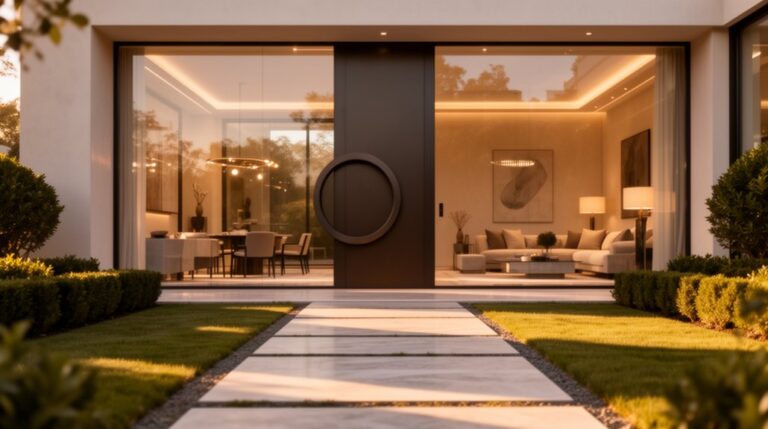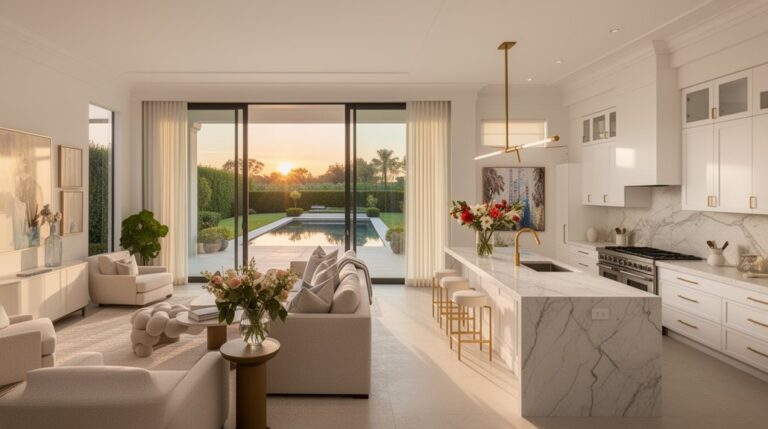
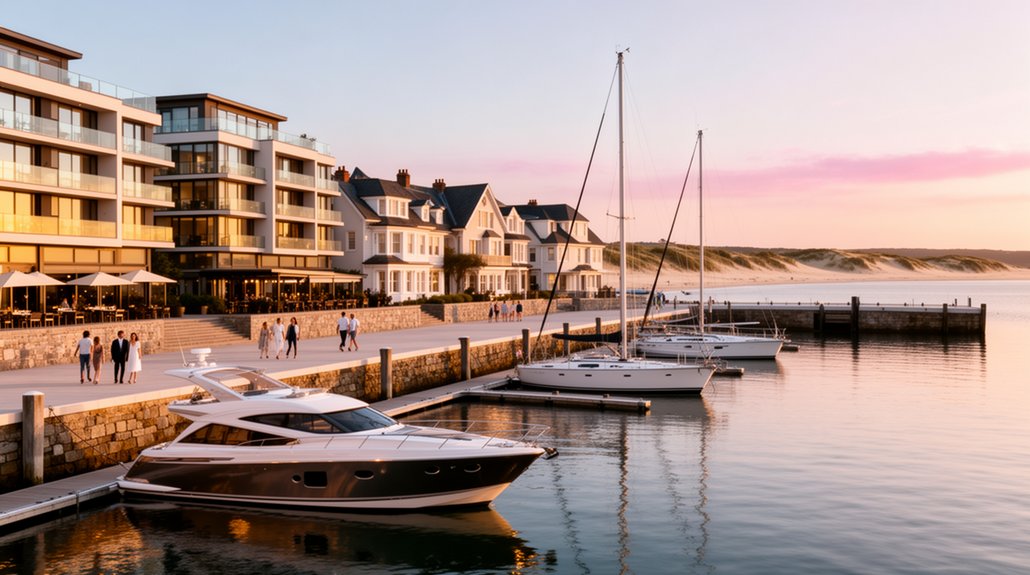
You’re seeing Plymouth’s luxury waterfront surge in 2026 because you can buy near‑Boston coastal access (about 45–60 minutes away) with year‑round infrastructure, not just a summer house. You’re also chasing turnkey, design-forward homes—glass walls, resilient envelopes, smart systems, low-maintenance materials—that reduce near-term capex and appraisal friction. Supply stays tight because shoreline lots are capped by zoning, preservation, floodplain limits, and slow permitting, so best-finished listings spark bidding wars. Keep going to see where the premium neighborhoods and price bands land.
Key Takeaways
- Plymouth offers a 45–60 minute Boston commute, making waterfront homes a “same-day escape” that increases year-round usage and value.
- Boston-area equity and high-net-worth relocators are prioritizing lifestyle ROI, privacy, and deep-water access over sheer square footage.
- Scarce true waterfront listings, density caps, and conservation limits constrain supply, intensifying competition for the best parcels and views.
- Longer permitting cycles and preservation rules push prices up and favor elevated, resilient, design-forward new builds with lower ownership risk.
- Buyers increasingly pay premiums for turnkey performance: storm resilience, smart systems, fiber-ready offices, and high-end finishes that reduce near-term capex.
What’s Driving Plymouth Waterfront Demand in 2026?
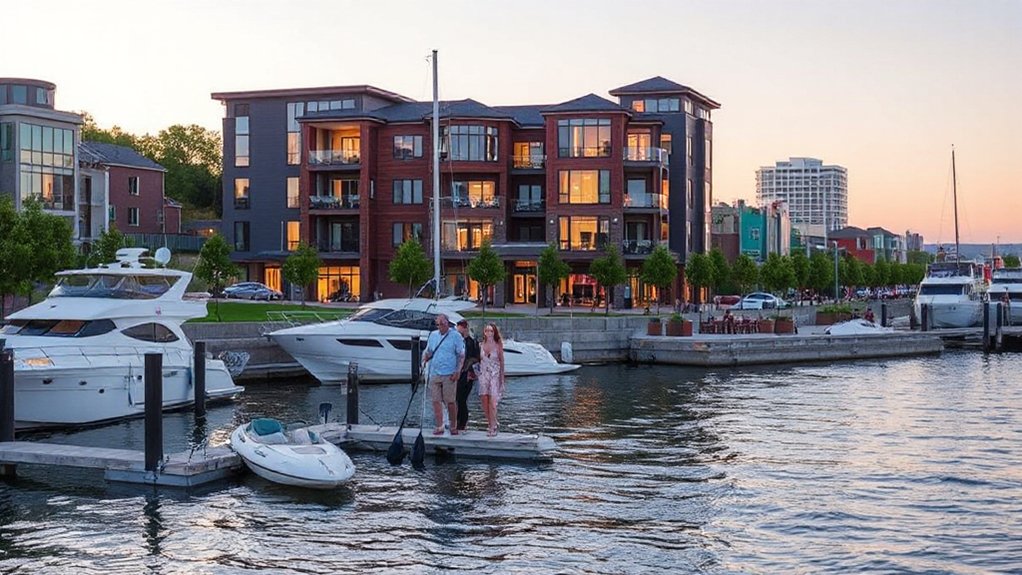
As more buyers prioritize lifestyle ROI over sheer square footage, Plymouth’s waterfront market in 2026 is pulling demand from three directions: Boston-area equity, limited premium inventory, and a sharper focus on design-forward, low-maintenance living. You’re often arriving with built-up proceeds and targeting turnkey homes where coastal detailing, durable exteriors, and smart mechanicals cut ownership friction. With few true waterfront listings and longer permitting cycles, competition concentrates on the best-finished properties, pushing prices faster than broader Plymouth benchmarks. You also weigh Historical preservation constraints: restored facades and period-correct materials protect character, but they narrow renovation options and add lead time. At the same time, Environmental impact is priced in—buyers reward flood-resilient design, efficient envelopes, and native landscaping that reduces runoff and insurance risk.
Which Plymouth Waterfront Neighborhoods Lead for Luxury?
Three waterfront pockets consistently command Plymouth’s top-end pricing in 2026: the Harborfront/Downtown edge for walkable, amenity-rich living; The Pinehills’ coastal-adjacent enclaves for newer construction, HOA-managed ease, and modern systems; and Manomet/White Horse Beach for classic oceanfront lots with privacy and expansion upside.
You’ll see Harborfront premiums tied to limited inventory, harbor views, and short strolls to dining, marinas, and arts. In The Pinehills, you’re buying predictability: newer envelopes, energy-forward specs, and turnkey maintenance that protects resale. In Manomet and White Horse Beach, lot geometry and elevation drive value—buyers pay for setbacks, sweeping exposure, and reno runway. Across all three, winning homes align with Marine conservation rules and resilient Waterfront landscaping—native plantings, permeable hardscape, and dune-smart grading that reduces erosion and insures insurability.
What Does “Luxury” Mean on Plymouth’s Waterfront Now?
Whether you’re shopping Harborfront condos or a Manomet bluff-top, “luxury” on Plymouth’s waterfront in 2026 isn’t defined by price alone—it’s the combination of irreplaceable water exposure, resilient construction, and turnkey performance. You’re paying for measurable outcomes: elevated flood design, tighter building envelopes, and mechanicals sized for coastal humidity. You’ll see impact-rated glazing, hidden generators, smart leak detection, and materials that outperform salt air. Design matters, too: open sightlines, acoustic control, and lighting plans that track sunsets, not builder defaults. If you want Historical architecture, you’ll prioritize restored proportions, period millwork, and discreet modern systems. Buyers also screen Environmental impact—solar readiness, EV charging, native landscaping, and stormwater strategies—because lower operating risk protects long-term enjoyment and resale.
How Much Do Plymouth Waterfront Homes Cost in 2026?
In 2026, you’ll see Plymouth waterfront pricing break into clear bands by neighborhood and shoreline, with entry luxury starting in the high six figures and trophy homes pushing well into the multi-millions. You can expect the widest spreads where design and site fundamentals stack up—private sandy frontage, protected harbor views, deep-water access, and turnkey contemporary renovations. You’ll also pay measurable premiums for walkability to the waterfront district, newer seawalls and flood resilience upgrades, and scarcity on the most build-limited stretches.
2026 Price Ranges
As Plymouth’s shoreline inventory stays tight and buyer demand skews upscale, 2026 waterfront pricing breaks into clear, design-driven tiers that track location, frontage, and renovation quality. You’ll typically see “entry-luxury” cottages and smaller colonials from $1.1M–$1.6M, especially if systems are dated or layouts stay compartmentalized. Move-in-ready, renovated homes with open plans, upgraded glazing, and resilient coastal materials trend $1.7M–$2.6M. Newer builds or full gut-renovations with chef-grade kitchens, spa suites, and engineered shoreline work commonly price $2.7M–$4.0M+. For trophy frontage, private docks, and architect-led design, expect $4.0M–$7.5M. Historical trends show widening spreads, and Market comparisons keep Plymouth below top Cape benchmarks.
By Neighborhood And Shoreline
Because Plymouth’s waterfront market prices frontage and finish level differently from one shoreline to the next, you’ll see 2026 values cluster by neighborhood rather than by a single “waterfront premium.” Plymouth Harbor and the historic Seaside districts command the sharpest $/ft for walkability and protected views, while White Horse Beach and Manomet trade a bit more volatility for broader sand frontage and larger lots; Saquish and other boat-access pockets price like scarcity assets when docks, moorings, and engineered coastal work pencil out. Expect Harbor-adjacent resales to clear roughly $900–$1,400/ft with renovated envelopes and period detailing that nods to Harbor history. White Horse Beach and Manomet typically land nearer $650–$1,050/ft, especially with modern glazing and dune-friendly site plans. Saquish and remote coves often span $750–$1,250/ft, reflecting Coastal conservation constraints and build quality.
What Drives Premiums
While Plymouth’s waterfront pricing still tracks overall coastal demand, 2026 premiums hinge on a tight set of measurable drivers: frontage type (sandy beach vs. armored bluff vs. tidal marsh), elevation and flood zone, seawall/dune condition, and—most of all—whether the house delivers “turnkey” coastal design (impact-rated glazing, elevated mechanicals, resilient exterior skins, and view-framing layouts) without triggering costly conservation or FEMA compliance work. You’ll typically see turnkey, low-risk parcels command the sharpest $/SF lift, while homes needing permitting-heavy retrofits discount faster than inland comps. Track premiums by:
- Flood zone + base flood elevation headroom (insurance math).
- Shoreline protection capex (seawall, riprap, dune rebuild).
- Historical architecture constraints vs. adaptive reuse potential.
- Environmental impact exposure (wetlands buffers, erosion rates, mitigation).
Why Is Plymouth Waterfront Inventory So Limited?
Even if demand cools for a quarter, Plymouth’s waterfront inventory stays tight because supply can’t scale. You’re competing for a fixed shoreline where Historical development locked in lot lines, road access, and view corridors decades ago. Add conservation parcels and floodplain maps, and the buildable envelope shrinks fast. Environmental impact rules also raise the bar: septic constraints, stormwater retention, coastal bank setbacks, and wetland buffers limit expansions and reduce subdividable acreage. On-market supply stays thin because owners hold longer; waterfront turnover runs lower than inland neighborhoods, and many homes trade off-MLS through broker networks. Design expectations tighten scarcity, too—you’re not just buying water; you’re buying orientation, glazing potential, outdoor rooms, and protected sightlines that only a handful of parcels can deliver.
Are New Builds Changing Plymouth’s Waterfront Market?
You’re seeing new-build waterfront homes in Plymouth command premium pricing because buyers will pay more for modern layouts, energy performance, and turnkey finishes. As these projects come online, you’ll notice the supply mix shift toward fewer legacy properties and more high-spec inventory that resets comps. That change tightens expectations on design and amenities, and it can push overall waterfront values up even when total listings don’t rise much.
New-Build Premium Pricing
As Plymouth’s coastal inventory tightens and buyer expectations rise, new-build waterfront and water-view homes are resetting the price ceiling through measurable design premiums—larger glazing packages, energy-performance specs, elevator-ready layouts, and marina-adjacent positioning. You’re not just paying for finishes; you’re underwriting certainty in Waterfront zoning compliance and resilience planning against Coastal erosion, which appraisers and lenders now price in.
- Envelope upgrades: higher R-values, tighter blower-door scores, and corrosion-rated materials lift valuations.
- View optimization: glass-wall spans and roof decks increase “sightline frontage” without more lot area.
- Program efficiency: open kitchens, primary suites on main levels, and flex rooms reduce functional obsolescence.
- Risk-adjusted siting: elevated slabs, flood-venting, and setback-aware landscaping compress insurance drag.
Supply Shifts On Waterfront
Those design premiums don’t just raise appraised values—they reshape what’s available on Plymouth’s shoreline. You’re seeing fewer “as-is” cottages and more teardown-to-custom projects, which tightens entry-level waterfront supply and lifts median days-on-market for dated homes. As builders target 4,000–6,000 sq ft programs, you get fewer total parcels trading, but higher dollar volume per closing.
You’ll also notice inventory shifting inland: owners list off-water homes to fund rebuilds or buy interim rentals, pushing secondary-market demand up. Waterfront preservation rules and faster permitting for compliant plans steer design toward elevated foundations, smaller footprints near setbacks, and permeable hardscapes. That reduces environmental impact, but it also caps achievable density, keeping true waterfront scarcity intact even as the product mix modernizes.
How Renovations Are Pushing Waterfront Prices Higher
While interest rates and inventory still shape the baseline, renovations now explain a growing share of Plymouth’s waterfront price jumps. When you modernize a coastal home, you’re not just adding finishes—you’re compressing time-to-market, reducing buyer uncertainty, and signaling lower near-term capex. Permitted upgrades also help you quantify value: appraisers lean on documented scope, comps with similar specs, and measurable efficiency gains. You’ll see premiums widen when renovations respect Historical architecture while solving Environmental impacts like storm resilience and energy loss.
- Elevate kitchens/baths: buyers pay for turnkey, not projects.
- Add floodproofing: raised utilities, vents, and compliant materials.
- Improve envelopes: windows, insulation, and heat pumps cut operating costs.
- Rework outdoor zones: seawalls, decks, and sightline-maximizing layouts.
Who’s Buying Plymouth Waterfront Luxury Homes?
You’re seeing three buyer profiles dominate Plymouth’s luxury waterfront: high-net-worth relocators targeting turnkey coastal architecture, Boston-area second-home buyers optimizing weekend access, and remote-work executives prioritizing office-ready layouts with high-spec finishes. You can track their impact in faster absorption on renovated listings, tighter competition for private docks, and premium pricing for modernized interiors. You’ll want to watch how each group’s design preferences and timeline urgency shape which properties win the highest bids.
High-Net-Worth Relocators
As mortgage rates and remote-work flexibility reset coastal buying patterns, high-net-worth relocators now drive a sizable share of Plymouth’s waterfront luxury demand—typically executives, founders, and finance/legal leaders moving from Greater Boston, New York, and other high-cost metros. You’re prioritizing turnkey design, privacy, and predictable carrying costs, often paying cash or using large down payments to stay rate-insulated. You want Luxury amenities that read as modern, not ostentatious: spa baths, chef-grade kitchens, smart-home security, and deep-water access. You also screen for Coastal preservation—elevated build strategies, resilient materials, and compliant shoreline buffers that protect both views and valuation.
- 4+ bedrooms for work zones and guests
- 100–200 ft frontage or dock potential
- Newer construction or high-end reno provenance
- Walkable village access plus commuter routes south
Boston-Area Second-Home Buyers
Because Plymouth sits within an easy 45–60-mile reach of Boston, Boston-area second-home buyers now make up a consistent slice of waterfront luxury demand—often partners, physicians, and C-suite households seeking a weekend base without committing to the Cape’s peak-season friction. You’re typically targeting turnkey, low-maintenance homes with protected views, private docks, and walkable access to restaurants and marinas. You’ll pay premiums for updated mechanicals, elevated first floors, and resilient materials that reduce Environmental impact, from high-performance glazing to flood-vented foundations. Design choices skew coastal-modern inside, but you still want Historical architecture cues outside—shingles, divided-light windows, and preserved trim. You also track carrying costs: insurance, seawall condition, and permitting timelines, because downtime erodes weekend utility and resale leverage.
Remote Work Executives
Boston second-home demand set the baseline; remote work executives now expand Plymouth’s waterfront luxury buyer pool by treating the shoreline as a primary (or 4–5-day) residence rather than a weekend escape. You’re optimizing time, not just views: shorter commutes to Logan, predictable rail access, and a calmer daily cadence make Executive relocation pencil out. With Remote work normalizing hybrid schedules, you’ll pay for “work-ready” design—acoustics, bandwidth, and daylight—then underwrite it with long-hold confidence. Expect competition for newer construction, flood-mitigated lots, and turnkey interiors that photograph like a boutique hotel.
- Dedicated office suites with sound isolation and built-ins
- Fiber-ready wiring, mesh Wi‑Fi, and generator backup
- Elevated foundations, storm-rated glazing, and resilient finishes
- Walkable marinas, dining, and fitness within minutes
How Boston Commuters Use Plymouth Waterfront Living
While the commute still matters, many professionals who work in the city are choosing Plymouth’s waterfront for the lifestyle upgrade and using MBTA commuter rail access, flexible hybrid schedules, and off-peak travel to keep weekday logistics predictable. You time departures around early trains, stack meetings midweek, and protect focus days at home. With door-to-desk planning, you trade Boston rent for square footage, light, and views without losing access to clients. You design your week like a floor plan: commute days, gym days, dinner nights. After work, you reset fast—walkable Historic landmarks, harbor paths, and Local seafood within minutes. That livability supports pricing power: turnkey condos, private docks, and amenity-driven buildings that match metropolitan expectations yet feel calmer daily.
Why Second-Home Buyers Pick Plymouth vs. Cape Cod
If you want a second home that still feels connected to the city, Plymouth keeps you closer to Boston while preserving true waterfront lifestyle appeal. You’ll get easier year-round living—less bridge traffic, more reliable services, and neighborhoods designed for four-season use rather than peak-weekend surges. Most importantly, you can often secure comparable shoreline views, docks, and lot utility at a value that benchmarks favorably against Cape Cod pricing.
Closer To Boston
Because you can reach Plymouth’s waterfront in roughly 45–60 minutes from many Boston-area neighborhoods (traffic-dependent), second-home buyers treat it as a “same-day escape” rather than a full weekend migration. That proximity widens your usable time window and makes ownership pencil out: fewer nights required to justify carrying costs, more spontaneous bookings for friends, and cleaner calendar math for remote work blocks.
- Faster drive time means you’ll use the home more often—boosting value per stay.
- Plymouth’s Historical architecture delivers walkable character without Cape-level travel friction.
- Coastal conservation protects view corridors and shore access, supporting long-term desirability.
- Lower logistics overhead (rides, deliveries, service calls) keeps waterfront design projects on schedule and on budget.
Easier Year-Round Living
How do you keep a waterfront second home feeling effortless in February—not just idyllic in July? In Plymouth, you’re not betting on peak-season infrastructure. You get year-round grocery, healthcare, and dining density, plus shorter service lead times for trades—critical when a boiler fails or a nor’easter hits. Town snow operations and road connectivity reduce “closed-for-the-season” friction, so you arrive and live, not manage.
You can design for all-weather use: mudrooms sized for wet gear, radiant heat, storm-rated glazing, and covered entries that protect finishes. You’ll still have Seasonal activities—winter harbor walks, shoulder-season boating, and nearby trails—without the Cape’s off-season quiet. And stricter Waterfront conservation norms help preserve viewsheds and water quality, protecting daily usability.
Comparable Waterfront Value
While Cape Cod waterfront often commands a premium driven by seasonal scarcity and longer buyer queues, Plymouth frequently delivers a more balanced price-to-utility equation for second-home owners who actually use the house year-round. You’re not just buying a view; you’re buying functional shoreline access, commutable convenience, and design flexibility that pencils out.
- You’ll often get newer mechanicals and resilient envelopes for the same budget, lowering total cost of ownership.
- Waterfront zoning can be clearer, helping you plan additions, docks, or landscape buffers with fewer surprises.
- Environmental concerns still shape permitting, but you can target lots with documented setbacks, elevations, and flood data.
- You can prioritize modern, low-maintenance materials and still hit luxury finishes without overpaying for pure brand cachet.
What Lifestyle Perks Come With Waterfront Living Here?
If you want everyday convenience to feel like a resort upgrade, Plymouth’s waterfront addresses deliver it through design, access, and time savings. You get walkable dining, beaches, and the Harborwalk within minutes, cutting weekly drive time and boosting usable leisure hours. Many newer or renovated homes prioritize indoor-outdoor flow with wide sliders, covered decks, and sightline-driven layouts that frame Sunset views without sacrificing privacy. You’ll also find higher-spec envelopes—better glazing, wind-rated detailing, and thoughtful mechanicals—that protect comfort in shoulder seasons. On the market side, turnkey waterfront properties tend to command tighter days-on-market and stronger appraisal support when finishes meet coastal-grade expectations. You can still enjoy boating access as a lifestyle amenity, without relying on it as your only value driver.
How Strong Is Marina Access and Boating Culture?
Because Plymouth ties its harborfront to working marinas and a walkable waterfront, you get boating culture that shows up as daily infrastructure—not just seasonal scenery—through slips, service yards, fuel access, and club activity clustered around the downtown shoreline. That backbone matters for buyers: reliable access reduces friction, supports larger vessels, and protects time-on-water value. You’ll see Marina amenities designed for repeat use, not photo ops, and a calendar of Boating events that keeps slips active and reputations strong. Expect a market where proximity to launch, haul-out, and maintenance translates into tighter demand and fewer “unused” waterfront parcels. Look for:
- Slip inventory and waitlist signals
- On-site service/repair capacity
- Fuel, pump-out, and transient docking
- Regatta schedules and club participation
How Walkable Is Waterfront Living to Dining and Downtown?
Even when you’re not planning your day around the tide table, Plymouth’s harborfront layout lets you treat dining and downtown like extensions of your front door, with short, low-friction routes from condo lobbies and waterfront streets to Water Street, Main Street, and the restaurant clusters along the wharves. In practical terms, you’re typically within a 5–15 minute walk of coffee, seafood, and retail, so you can skip parking and still keep plans flexible. Streetscape upgrades, crosswalk spacing, and continuous sidewalks improve Waterfront accessibility, while wayfinding and lighting support evening foot traffic. Marina development adds pedestrian links, public sphere edges, and mixed-use nodes that keep activity concentrated. You’ll notice tighter block patterns near the harbor, making errands feel faster and more predictable year-round.
Why Do Plymouth Waterfront Listings Trigger Bidding Wars?
That same “leave the car” convenience around the harbor also concentrates buyer demand, and when a true waterfront listing hits the market in Plymouth, it often meets a shallow pool of comparable inventory. You’re not just buying square footage; you’re buying frontage, views, and a lifestyle with measurable scarcity. In most weeks, only a handful of properties deliver direct water access plus turnkey design, so offers stack fast and timelines compress.
- Limited shoreline parcels mean fewer like-for-like comps, so pricing anchors high.
- Updated layouts, glass walls, and outdoor kitchens photograph better and boost click-to-show ratios.
- Historical architecture adds cachet, signaling irreplaceable character buyers pay premiums for.
- Lower Environmental impact features (efficient systems, resilient materials) widen the buyer pool and raise confidence.
What Risks Should Waterfront Buyers Watch For?
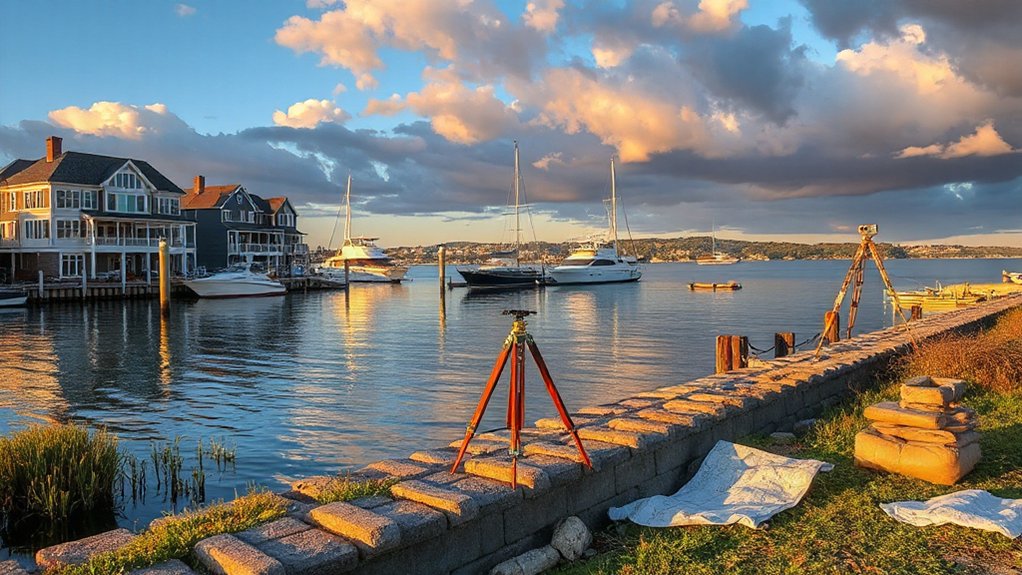
While Plymouth’s harbor-front lifestyle sells fast, you’ll want to underwrite the downside with the same rigor you’d apply to a remodel budget: flood-zone designation and required elevation, coastal erosion and bluff stability, salt-air corrosion on windows/fasteners/HVAC, seawall or dock ownership and maintenance obligations, and wetlands or conservation restrictions that can limit future additions. Next, price the carrying costs like line items: insurance premiums that can swing sharply by FEMA map updates, higher reserve needs for marine-grade materials, and accelerated exterior repaint cycles. Verify Waterfront zoning setbacks, height limits, and lot coverage before you sketch expansions or a pool. Confirm Seaside conservation rules, view-corridor protections, and lighting limits if you’re planning outdoor living. Finally, audit access and utilities—private roads, shared drives, and stormwater systems can shift liability onto you.
How to Win a Plymouth Waterfront Luxury Home Offer
Once you’ve underwritten flood exposure, corrosion, and conservation constraints, the next edge is execution: Plymouth’s best waterfront listings often generate multiple offers within days, and sellers tend to choose the cleanest contract over the highest headline price. Win by aligning terms with what sophisticated sellers benchmark: certainty, speed, and stewardship of the asset’s Historical architecture and Environmental impact.
- Pre-brief your lender/wealth manager so you can waive financing or cap appraisal risk.
- Use a tight inspection plan: shortened window, specialist scopes (seawall, drainage, HVAC salt-air), and clear repair thresholds.
- Offer a strong deposit and flexible close timed to the seller’s purchase or tax needs.
- Show design literacy: reference preservation-friendly upgrades and low-impact landscape/spec packages.
Frequently Asked Questions
What Are the Annual Maintenance Costs for Plymouth Luxury Waterfront Homes?
You’ll typically pay $35k–$90k annually: $15k–$45k in Property taxes, $8k–$20k for seawall/dock upkeep, $6k–$15k insurance, plus $6k–$10k for Luxury amenities, landscaping, and systems.
Do Waterfront HOAS Impose Restrictions on Docks, Boats, or Exterior Renovations?
Like a compass, your HOA sets boundaries: yes, they often impose Dock restrictions and Boat regulations, plus limits on exterior renovations. You’ll face permit-like approvals, size/material standards, and seasonal-use rules that protect resale value.
How Do Flood Insurance Premiums Vary by Neighborhood and Elevation?
You’ll see premiums swing sharply by neighborhood because Flood zone classifications drive base rates, while Elevation impact changes risk. Homes above BFE pay less; low-lying, coastal blocks pay more. Ask for GIS maps, quotes.
What School Options Are Closest to Plymouth’s Waterfront Luxury Areas?
You’ll find Plymouth North High and Plymouth South High closest, plus Hedge Elementary and PCIS nearby; the theory is you can walk from drop-off to Waterfront dining and Scenic walking trails—often true, by minutes.
Are Short-Term Rentals Allowed for Waterfront Homes in Plymouth?
You can operate short-term rentals in Plymouth waterfront homes, but you’ll follow Vacation rental regulations and secure short term rental permits. Rules vary by zoning, occupancy limits, and parking. You should confirm with the town for compliance.
Conclusion
You’re seeing Plymouth’s luxury waterfront surge because demand’s outpacing supply: limited shoreline lots, low turnover, and buyers chasing turnkey design, private docks, and walkable access to dining and downtown. Prices in 2026 reflect that scarcity, and listings that check the “new build/renovated + views + mooring” boxes spark bidding wars fast. But have you stress-tested flood risk, insurance, and seawall costs before you waive contingencies? Move decisively, underwrite smart, and win.
About the Author