
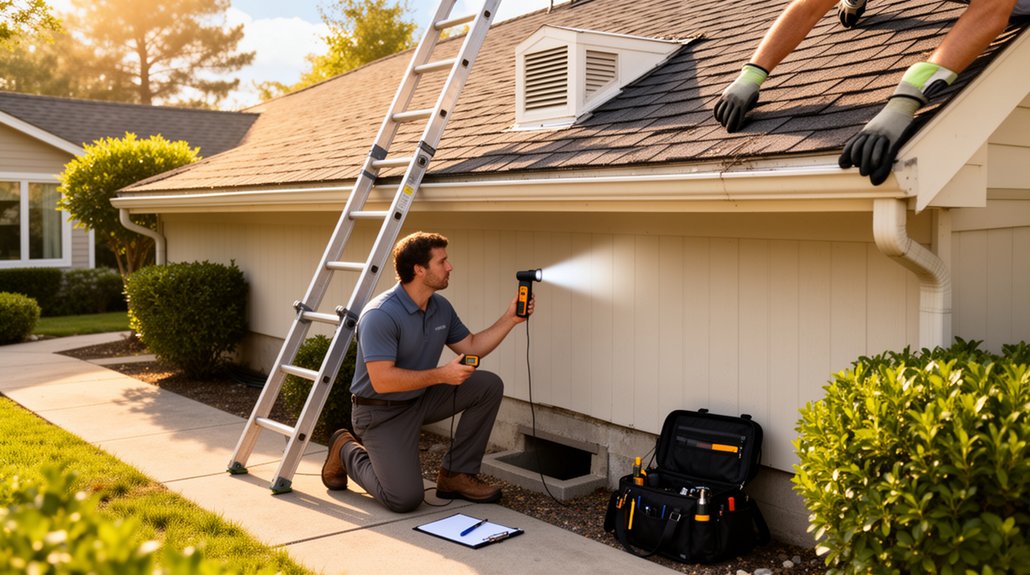
A bungalow can look solid from the kerb, yet hide faults that quietly worsen. You’ll get the most value from a professional inspection because it checks the roof’s flashing and valleys, gutter runs and site grading, early damp indicators, and subtle foundation movement before repairs become disruptive. You can also uncover ageing electrics, tired plumbing, and poor loft ventilation that raise safety and running costs. The first warning signs are often easy to miss—until you know where to look…
Key Takeaways
- Regular inspections catch early structural movement, like stepped cracking and uneven floors, before repairs become major and costly.
- Professionals identify hidden moisture, condensation, and leaks using meters or thermal imaging, preventing mould, rot, and insulation damage.
- Roof, flashing, and attic checks locate vulnerable junction failures early, reducing storm-related leaks and timber decay from poor ventilation.
- Gutter, downspout, and grading assessments prevent overflow, ponding, and damp-proof course bridging that can accelerate foundation and wall damage.
- Electrical and plumbing inspections spot outdated consumer units, missing RCDs, degraded cabling, and concealed leaks, improving safety and compliance.
What Does a Bungalow Inspection Cover First?

Before anything else, a bungalow inspection starts with an external walk-round to identify immediate risks and big-ticket defects. You’ll check boundary walls, paths, steps, and handrails for instability, trip hazards, and poor drainage fall. You’ll note Landscaping features such as mature trees, raised beds, and retaining edges that may affect foundations, damp, or access. You’ll assess external joinery, air bricks, ground levels against the damp-proof course, and signs of pests or rot around sills and sub-floor vents.
Next, you’ll move inside to test doors and windows, inspect walls and ceilings for cracking, staining, condensation, and mould, and confirm ventilation in kitchens and bathrooms. You’ll review Interior decor for recent repainting that might mask damp or repairs.
Bungalow Roof Risks: Flashing, Valleys, Leaks
Although a bungalow’s roof looks straightforward, it often hides the defects that cause the most disruptive leaks, so you’ll concentrate quickly on vulnerable junctions such as flashing, valleys, and roof penetrations. You should check lead flashings at chimneys and abutments for splitting, poor dressing, or failed mortar fillets, common on UK bungalows exposed to wind-driven rain. Inspect valleys for cracked tiles, corroded metal, and debris lines that indicate back-up and capillary tracking. Around soil vents, skylights, and extractor outlets, look for perished collars and poorly sealed fixings. Don’t ignore damp staining in the loft; it often traces to a tiny defect. Professional Roof maintenance confirms underlay condition and ensures water isn’t running behind exterior siding or bargeboards, rotting timbers fast.
Gutters and Grading: Stop Water at the Source
You’ll start by checking the gutters are clean and the fall gives a clear, continuous flow to each outlet. Then you’ll confirm downpipes discharge into proper drainage—ideally via gullies or extensions—so water’s kept well away from the foundations. Finally, you’ll assess the lot grading around the bungalow, ensuring the ground slopes away from the walls and there’s no low spot that can pond after rain.
Clean Gutters, Clear Flow
When rainwater can’t move freely from your roof to a safe discharge point, it quickly finds the next easiest route—often into fascia boards, brickwork, and, in the worst cases, the foundations. You’ll often see the warning signs early: streaking on render, overflowing at corners, damp patches by the eaves, or moss and silt compacted in the channel.
You should keep gutters clear of leaves, grit, and nesting debris, and guarantee brackets hold the correct fall. A professional inspection checks joints, seals, and corrosion, and confirms rainwater goods suit your roof area for UK downpours. They’ll also assess ground levels near walls so splashback and pooling don’t ruin your Landscaping aesthetics or creep indoors to affect your Interior decor. Regular attention prevents rot, staining, and avoidable repair costs fast.
Downspout Drainage Control
Where does the water go once it leaves the gutter? If your downspouts dump it at the base of your bungalow, you’re inviting damp, staining, and freeze–thaw damage. A professional inspection checks discharge points and confirms water is carried away efficiently, without relying on guesswork or quick fixes. You’ll get practical actions for Downspout maintenance and long-term drainage optimization, aligned with typical UK rainfall and ground conditions.
- Confirm each downpipe is securely fixed, with sound brackets and joints
- Clear shoe bends and offsets where silt and moss commonly lodge
- Check for cracks, pinholes, and UV-brittled plastic sections
- Verify extensions or drains take flow away from walls and air bricks
- Test during rainfall or with a hose to spot backflow and pooling
Proper Lot Grading Checks
Even if your gutters and downpipes perform perfectly, poor lot grading can still steer rainwater straight back towards your bungalow’s walls and foundations. A professional inspection checks that the ground falls away from the property, typically at least 1:80 for the first couple of metres, and that patios, drives, and paths don’t create back-fall. You’ll also get a review of low spots where water ponds after UK cloudbursts, plus signs of splashback, damp staining, and efflorescence on brickwork.
You should treat grading as part of Landscaping maintenance: keep soil levels below the damp-proof course, and stop mulch bridging air bricks. Proper falls also support Pest control by reducing moisture that attracts ants, woodlice, and rodents near subfloors.
Hidden Moisture Signs Inspectors Catch Early
Although damp can seem like a minor cosmetic issue in a bungalow, a competent inspector will spot early moisture indicators long before you notice a musty smell or peeling paint. You’ll benefit from a methodical check that tracks moisture intrusion pathways and identifies hidden leaks before they damage timbers, insulation, or electrics. Using moisture meters and thermal imaging, an inspector confirms where water’s travelling, then relates it to common UK risks such as driving rain, blocked gullies, and failed flashings.
- Tide marks or salt efflorescence at skirtings and internal corners
- Swollen architraves, cupped floorboards, or spongy vinyl seams
- Condensation patterns on cold bridges around vents and lintels
- Staining beneath bathroom fittings, pipework, or radiator valves
- Rusted fixings, mould speckling, or softened plaster in cupboards
Bungalow Foundation Checks That Prevent Settling
You’ll prevent costly settling by spotting early warning signs such as stepped cracking, sticking doors, and uneven floors before they worsen. You’ll also check crawlspace moisture and drainage, ensuring airbricks are clear, ventilation is adequate, and ground levels fall away from the bungalow to keep water off the substructure. You’ll then assess pier and footing integrity for movement, spalling, and inadequate bearing, so minor defects don’t become structural displacement.
Early Settlement Warning Signs
When small foundation movements start in a bungalow, they rarely announce themselves with one dramatic crack; instead, they show up as subtle changes you can track if you know where to look. A professional inspection in the UK spots patterns you might blame on age, DIY, or Interior decor changes. Don’t let Landscaping design hide symptoms at the perimeter; keep sightlines clear so you can compare season to season. Watch for:
- Doors that suddenly bind or swing open on their own
- Fine stair-step cracking in mortar joints or plaster
- Skirting boards separating from floors or walls
- Uneven floor feel, especially along external walls
- Window frames racking, with gaps around seals
Log dates and locations, then act early; minor movement often stays manageable when verified and monitored.
Crawlspace Moisture And Drainage
Because moisture behaves like a slow, persistent load on a bungalow’s substructure, your crawlspace ventilation and drainage need checking before any movement shows above skirting level. You should inspect airbricks for blockage, confirm vents aren’t bridged by soil, and check that insulation hasn’t trapped damp air. Measure humidity, look for condensation on timbers, and note musty odours—classic signs of crawlspace moisture building up.
Outside, you’ll want falls away from the walls, clear gullies, and downpipes that discharge into sound, tested drains. If you see standing water or silting, get a CCTV drain survey and consider targeted drainage solutions such as rodding, repair, or a French drain where suitable. Keep vents clear year-round.
Pier And Footing Integrity
Moisture and poor drainage often show up first in the crawlspace, but they also accelerate foundation movement by softening bearing soils and stressing the supports. You’ll reduce settlement risk by having a surveyor assess pier and footing integrity, not just visible cracks. In UK bungalows, shallow footings and older brick piers can lose capacity quietly, so early checks protect floors, walls, and services. Your inspection should confirm Pier stability, identify uneven load paths, and flag footing corrosion on steel, straps, or fixings. You’ll also get practical, repairable recommendations before movement becomes structural.
- Measure pier plumb and rotation
- Probe for spalled brickwork and mortar loss
- Check footing depth against local ground conditions
- Inspect metalwork for footing corrosion and damp contact
- Map floor level changes to support locations
Crawlspace and Basement Red Flags in Bungalows
How can you tell if a bungalow’s crawlspace or basement hides expensive defects? Start with moisture. If you smell damp, see tide marks, mould, or salt efflorescence on walls, you’re likely dealing with water ingress or poor drainage. Check timbers for softness, fungal growth, and woodworm frass, especially around sleeper walls and joist ends. Assess Crawlspace ventilation: blocked air bricks, missing vents, or soil piled against openings trap humidity and accelerate decay. In basements, inspect Basement insulation for gaps, cold bridging, or foil-faced boards pulling away, as condensation can rot battens and plaster. Look for cracked slabs, bulging walls, rusted lintels, and staining around service penetrations. A professional inspection confirms causes and prioritises remedial works.
Bungalow Electrical Issues Inspectors Prioritize
Once you’ve gauged what’s happening below ground, focus on the bungalow’s electrics, where age, DIY alterations, and outdated standards often combine to create safety risks and costly upgrades. A competent inspector checks compliance with BS 7671 expectations and flags defects that threaten occupants or limit resale. You’ll also learn which fixes will disrupt interior decor or external routes that affect Landscaping aesthetics.
- Aging consumer units, missing RCD protection, or rewireable fuses
- Mixed or degraded cabling (VIR, lead-sheathed, or damaged T&E insulation)
- Overloaded circuits, spur misuse, and poor load balancing for modern appliances
- Unsafe junctions: taped joints, hidden connectors, and inaccessible maintenance points
- Earthing and bonding gaps, plus signs of overheating at sockets, switches, and lighting points
Common Plumbing Problems Found in Bungalow Inspections
When you inspect a bungalow’s plumbing, you’ll often find aging pipework that leaks at joints, under floors, or around the stopcock, especially where older copper or galvanised runs have been patched over time. You should also check for low water pressure at taps and showers, as it can indicate limescale in pipework, partially closed valves, or issues with the mains supply. If you spot either, you’ll need to assess the extent of moisture damage and whether repairs require targeted replacements or a broader re-pipe to meet current UK expectations.
Aging Pipe Leaks
In older bungalows, ageing pipe leaks often show up quietly—behind skirting boards, under suspended timber floors, or around boiler and cylinder connections—yet they can cause serious, ongoing damage. During an inspection, you’ll want evidence-led leak detection, because even a pinhole seep can rot joists, stain plaster, and trigger mould.
- Check for verdigris, rust, and scale that indicate pipe corrosion
- Look for salt marks, blistered paint, or warped laminate near pipe runs
- Inspect stopcocks and isolation valves for weeping glands and worn washers
- Assess compression joints, soldered elbows, and flexible tails for movement
- Use moisture readings and thermal imaging to pinpoint concealed leaks
You’ll also benefit from a written schedule of defects, so repairs target the source, not just the symptoms, and you can budget accurately.
Low Water Pressure
Although low water pressure can feel like a minor annoyance, it often signals a specific fault in a bungalow’s plumbing that you can trace and fix. You might have a partially closed stop tap, a clogged tap aerator, or limescale narrowing older pipework, especially in hard-water areas. If only one outlet is weak, you’ll usually find debris at the fixture; if the whole house is affected, suspect the incoming main, a failing pressure-reducing valve, or a shared supply issue.
During professional inspections, you’ll get flow-rate and static pressure checks, plus targeted leak detection. Prompt plumbing maintenance restores performance, supports Water conservation by reducing wasteful run times, and helps you avoid costly emergency call-outs later on.
Attic Ventilation Problems in Older Bungalows
Because many older bungalows were built before modern ventilation standards, their lofts often struggle to move moist air out and fresh air in, which increases the risk of condensation, mould growth, and timber decay. If your roof void feels musty or timbers look darkened, you should book an inspection before damage spreads. A surveyor will check whether Attic insulation has been laid too tightly at the eaves, blocking airflow, and whether existing vents meet current UK good practice. You’ll also get practical Ventilation upgrades that suit your bungalow’s roof form, not guesswork.
- Look for water beading on felt or nails
- Check eaves and ridge vents for blockage
- Confirm insulation clearance at soffits
- Measure humidity and note mould staining
- Verify extractor fans vent outside, not loft
Plaster and Brick Defects to Flag During Inspections
When you inspect an older bungalow, treat cracked plaster and distressed brickwork as early warnings rather than cosmetic snags, since they often point to movement, damp ingress, or failed repairs. Track plaster cracks: fine hairlines around door heads can be shrinkage, but stepped cracks, widening gaps, or cracks that run through corners suggest settlement or lintel issues. Check for blown, hollow-sounding plaster, salt staining, or bubbling paint, as these often indicate rising damp or leaking gutters. Outside, look for brick deterioration such as spalling faces, crumbling mortar, and eroded pointing, especially on weathered elevations and chimney stacks. Note bulging walls, displaced bricks, and failed cavity trays. Photograph defects and measure crack widths for comparison later on.
How Often to Book a Bungalow Inspection: and Who to Hire
Cracks in plaster and distressed brickwork often show up long before a bigger fault becomes obvious, so you’ll get better outcomes if you book bungalow inspections on a sensible schedule and utilize the right professional for the job. Aim for a full check every 3–5 years, annually if your bungalow’s older, coastal, or has a history of movement. After storms, drainage works, or Garden landscaping changes, schedule an additional visit. Hire a UK RICS chartered building surveyor for independent reporting; use a structural engineer only when the survey flags load-bearing concerns. Don’t rely on your builder alone, and confirm any specialist is insured and experienced with low-rise homes and Interior decor alterations.
- Every 3–5 years: baseline condition
- Annually: higher-risk sites
- Post-storm: roof and damp checks
- Post-landscaping: drainage and subsidence risk
- RICS surveyor first; engineer if needed
Frequently Asked Questions
How Much Does a Professional Bungalow Inspection Typically Cost?
You’ll typically pay £300–£900 for a professional bungalow inspection in the UK, depending on size and survey level. Demand pricing transparency upfront. Your inspection frequency affects budgeting: annual checks cost less than sporadic, urgent visits.
Do I Need to Be Home During the Bungalow Inspection?
You don’t need to be home, but you should attend the start or end. For Home security, provide access codes and lock-up instructions. Confirm Inspection scheduling, keys, and utilities with your UK surveyor beforehand.
How Long Does a Full Bungalow Inspection Usually Take?
Like a telegram, you’ll find a full bungalow inspection usually takes 2–4 hours, depending on size and access. You’ll get checks on roof condition, electrical safety, and services; larger plots can push it longer.
Will an Inspection Report Help Me Negotiate a Better Insurance Premium?
Yes, you can use it to support Premium negotiations, especially if it evidences low risk or recent repairs. You may also access Insurance discounts by sharing remedial invoices, maintenance logs, and compliance certificates.
Can Inspectors Assess Renovation Quality and Permit Compliance in a Bungalow?
Yes, inspectors can assess your bungalow’s renovation quality and permit compliance, providing Renovation oversight and Permit verification. You’ll get checks on workmanship, structure, electrics, plumbing, and paperwork against UK Building Regulations and local authority approvals.
Conclusion
You’ve probably heard the theory that bungalows are “low-risk” because they’re single-storey. In practice, inspectors in the UK often prove the opposite: roof junctions and valleys fail quietly, gutters overwhelm poor grading, and hidden damp shows up before you smell it. A focused check of foundations, ventilation, electrics, plumbing, and plaster or brickwork lets you fix small defects early. Book routine inspections with a qualified RICS surveyor or trusted chartered professional.
About the Author