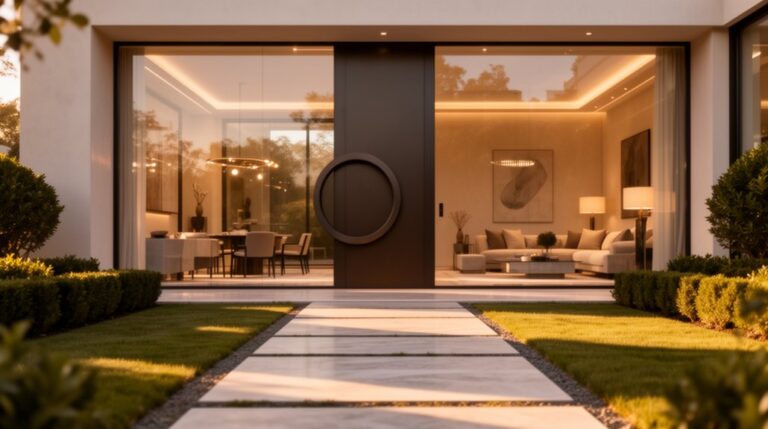
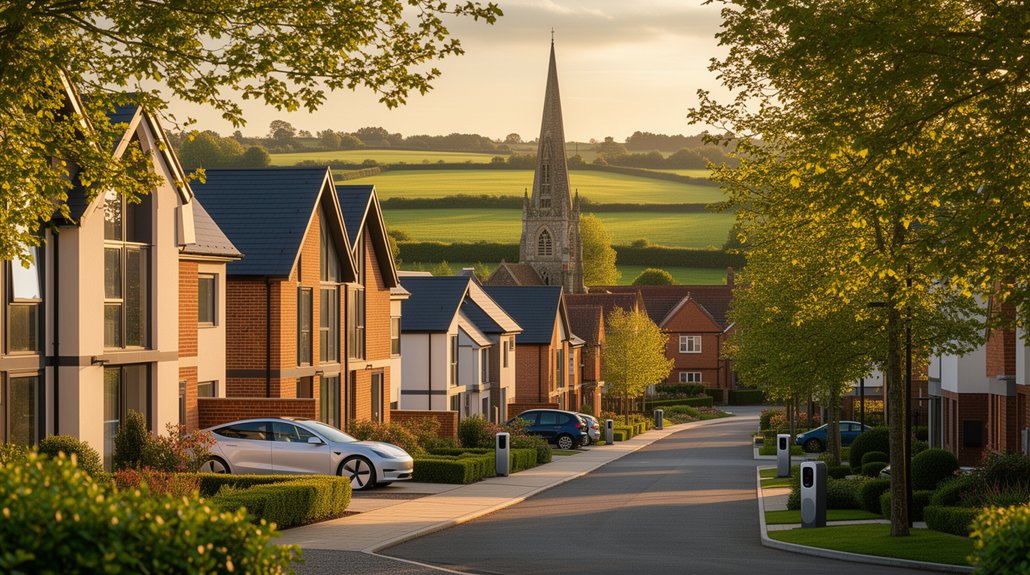
You’ll find Kent’s best high-spec new-build hotspots where fast London rail links, strong school catchments, and EPC-led, fabric-first specs overlap. Choose Sevenoaks for M25 access and low-maintenance luxury, Tunbridge Wells for family-led premium finishes, and Ebbsfleet Valley for masterplanned, EV-ready Garden City living by Ebbsfleet International. If you want coastal design, target Whitstable or Deal for boutique schemes built with durable, marine-grade detailing. Keep going to see costs, checks, and where value holds.
Key Takeaways
- Sevenoaks suits London commuters seeking high-spec, low-maintenance new builds with fast rail links and M25 access.
- Tunbridge Wells offers premium, family-focused developments near top school catchments, with design-led finishes and strong energy efficiency.
- Ashford’s HS1 connectivity and regeneration zones support high-spec new builds near Ashford International with quick London commutes.
- Canterbury blends heritage-sensitive contemporary builds with efficient layouts, green-edge living, and walkable access to culture and amenities.
- Ebbsfleet Valley and Dartford provide masterplanned, eco-focused communities with stations, schools, retail hubs, and strong demand for city commuters.
What Makes a High-Spec New Build in Kent?
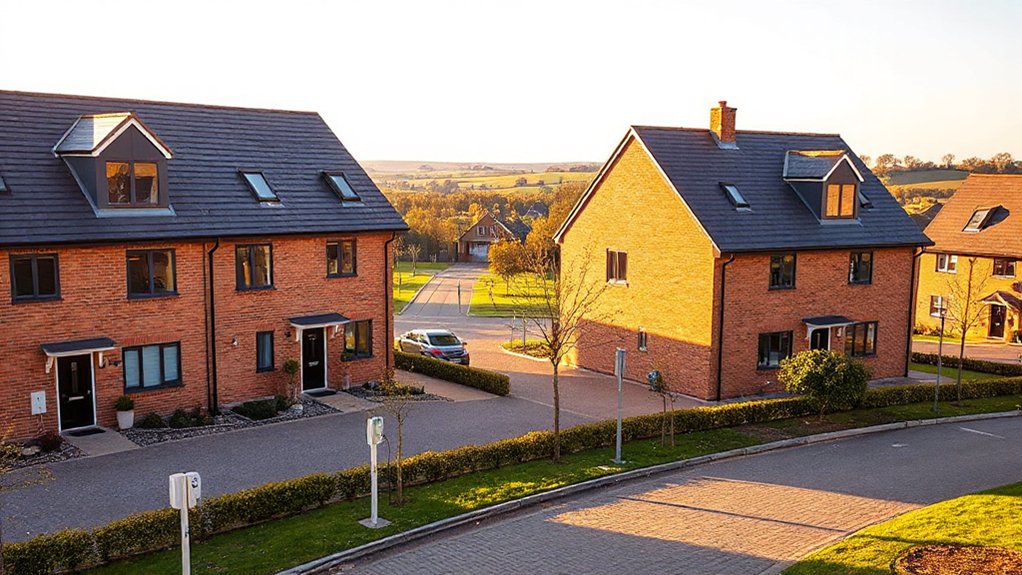
While “new build” can mean anything from a basic starter home to a flagship scheme, a high-spec new build in Kent typically stands out through measurable performance, premium materials, and design-led detailing. You’ll see EPC-led fabric-first specs: thicker insulation, airtightness targets, MVHR, and heat pumps sized by room-by-room losses. Expect triple glazing, acoustic separation that meets or exceeds Part E, and smart zoning that actually reduces bills. Fit-out matters too: engineered oak, stone or composite worktops, premium sanitaryware, and robust ironmongery that won’t loosen.
Architectural styles signal intent—contemporary barn forms, pared-back Georgian cues, or crisp brick-and-flint riffs—executed with consistent reveals and window proportions. Outside, you should get usable green spaces, biodiversity net gain, and EV-ready parking.
How to Choose the Right Kent Area for You?
You’ll choose the right Kent area by stress-testing lifestyle priorities against commute time, whether that’s a London run, a coastal routine, or hybrid work patterns. Then you’ll calibrate budget to today’s price bands and running costs, so the spec you want doesn’t force compromises elsewhere. Finally, you’ll validate schools and day-to-day amenities—catchments, transport links, supermarkets, gyms, and green space—because these factors drive both liveability and long-term demand.
Lifestyle And Commute Fit
Because a high-spec new build only delivers real value when it fits your day-to-day patterns, start by mapping lifestyle priorities against commute realities across Kent. You’ll protect your work life balance by matching station access, service frequency, and peak-time reliability to how often you travel, not how you hope you will.
- Commute mode-fit: price in walkability to rail, parking constraints, and e-bike practicality.
- Hybrid-work rhythm: choose areas with strong daytime cafés, co-working, and quiet streets for calls.
- Weekend identity: align coastline, countryside, or culture with how you actually recharge.
- Community engagement: look for clubs, markets, and volunteering networks that make settling in frictionless.
Run a two-week diary of movements, then stress-test each shortlist location against it.
Budget, Schools, And Amenities
Once you’ve matched a Kent town to your commute and lifestyle pattern, put the numbers and non-negotiables under the microscope: what your budget really buys in today’s new-build market, which school catchments you’ll actually fall into, and whether everyday amenities reduce friction or add it. Track Market trends street by street, because pricing, incentives, and service charges can swing value more than headline asking prices.
Then stress-test schools: confirm admissions criteria, not just Ofsted grades, and map walking routes and bus links. Prioritise construction quality by checking warranty provider, snagging history on earlier phases, and EPC ratings that affect running costs. Finally, audit amenities you’ll use weekly—GP capacity, supermarkets, gyms, green space, and fast rail—so you don’t pay a premium for features that don’t translate into daily convenience.
What Do High-Spec New Builds Cost in Kent?
Three forces largely shape what you’ll pay for a high‑spec new build in Kent: postcode, specification level, and plot scarcity. Across the county, pricing typically tracks commuter access, coastal demand, and limited serviced land, while construction costs (materials, labour, and compliance) keep a firm floor under values. For Property investment, you’ll want to model both entry price and resale premium from energy performance, warranties, and finish quality.
- Entry level high‑spec: £450k–£650k for 2–3 beds in emerging hotspots.
- Mid‑market premium: £650k–£950k where schools and rail links bid up land.
- Prime pockets: £950k–£1.6m+ for larger plots, bespoke kitchens, and tech.
- Add‑ons: budget 5–12% for upgrades, landscaping, and buyer incentives.
Sevenoaks: Luxury New Builds for London Commuters

If you’re optimising for a London commute without sacrificing space and finish quality, Sevenoaks sits near the top of Kent’s high‑spec new‑build shortlist. You’ll get fast rail links into the capital, plus road access via the M25, which keeps hybrid working practical and resale liquidity strong. Developers are leaning into low‑maintenance luxury: larger glazing, air‑source heat pumps, underfloor heating, EV charging, and integrated smart‑home controls. You can often find schemes that balance contemporary design with nearby Historical architecture, so the setting feels established rather than generic. Daily life stays efficient too: strong Local amenities, from cafés and independent shops to gyms, parks, and supermarkets, reduce weekday friction and support a premium rental profile.
Tunbridge Wells: Premium Homes Near Top Schools
In Tunbridge Wells, you’ll find high-spec new builds clustered in family-focused neighbourhoods where design-led finishes and energy performance drive pricing. You can target top-rated school catchments with confidence, because demand concentrates tightly around consistent Ofsted strength and walkable day-to-day amenities. You’ll also keep London within reach via fast rail links, making this a rare mix of premium living, schooling leverage, and commuter practicality.
High-Spec Family Neighbourhoods
Because school catchments shape demand as much as square footage, Tunbridge Wells stands out as one of Kent’s most reliable targets for high-spec family new builds. You’ll see developers prioritise calm, walkable pockets with efficient road and rail links, then layering in luxury amenities that match London-buyer expectations while still serving family friendly communities.
- Target neighbourhoods near parks and commons, where plot sizes justify larger kitchens and flexible family rooms.
- Track schemes offering secure parking, EV charging, and integrated storage to reduce daily friction.
- Favour low-traffic streets with strong cycle routes, supporting independent mobility for teens.
- Compare build specs: acoustic insulation, air-source heat pumps, and high-performance glazing for comfort and lower running costs.
Top-Rated School Catchments
While broader market cycles come and go, Tunbridge Wells’ top-rated school catchments keep premium new-build demand unusually steady, especially around grammars and high-performing primaries where “walk-to-school” convenience carries a measurable price uplift. If you’re targeting long-term value, you’ll track School rankings year by year, because even small shifts can redirect buyer attention between streets and micro-estates. Developers respond by specifying larger kitchens, flexible study spaces, and sound insulation to suit exam-year households. You’ll also notice tighter resale liquidity: homes inside catchment lines often attract multiple viewings early, reducing discounting risk. Look for areas with visible community involvement—active PTAs, local sports clubs, and well-funded enrichment—since they signal stability that lenders and buyers price in. Prioritise plots that sit safely within defined admission boundaries.
Fast London Commuter Links
Top school catchments lock in family demand, but Tunbridge Wells’ fastest price growth tends to cluster where that education premium stacks with a genuinely quick London commute. You’ll see buyers paying up for walkable access to the station, then looking for high-spec new builds that still offer green spaces and low-maintenance plots.
- Target sub-45-minute services to London Bridge/Charing Cross; they widen your buyer pool.
- Prioritise sites within a 10–15 minute walk; time-savings translate into pricing power.
- Check parking, cycle storage, and bus frequency; these de-risk weekday reliability.
- Compare the fringes for Affordable options: newer schemes near parks can undercut central premiums.
Track timetable resilience and planned line upgrades; they shift micro-market performance quickly.
Maidstone: Modern Estates Close to Amenities
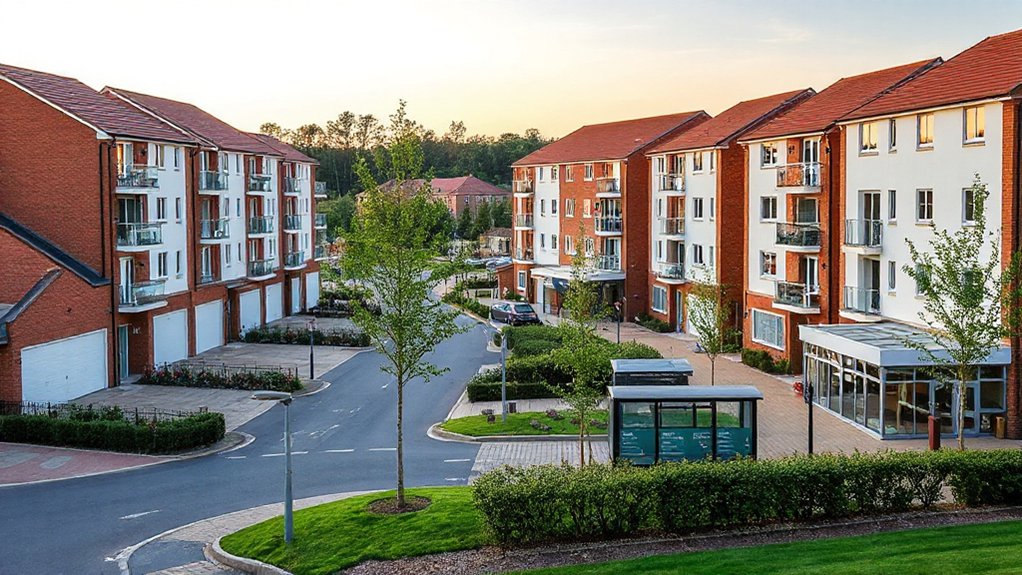
If you want a high-spec new build that doesn’t trade convenience for finish, Maidstone stands out as Kent’s most practical option. You’ll find modern estates positioned for short, reliable access to supermarkets, gyms, schools, and medical services, which protects day-to-day value as costs and time pressures rise. Developers here tend to prioritise energy efficiency, integrated storage, and flexible layouts, so you can work from home without sacrificing living space.
You also get a grounded lifestyle mix: you’re minutes from Historical landmarks along the Medway and you can shop local markets for fresh produce and independents. That balance matters because buyers now benchmark places on walkability and amenities density, not just postcode. Maidstone delivers both, consistently, year-round.
Ashford: High-Spec New Builds Near HS1
In Ashford, you’re buying into HS1 speed: fast London links compress commuting time and lift demand for high-spec new builds. You’ll see premium development hotspots clustered around Ashford International and the town centre regeneration zones, where design-led schemes target executive buyers and renters. If you want resilient value, you’ll track walk-to-station catchments, school access, and pipeline phases that tighten supply.
HS1 Connectivity Advantages
While many Kent towns trade on coastal charm or village character, Ashford’s biggest competitive edge for high-spec new builds is HS1: you can lock in Zone-2-style commuting times without paying London’s premium. That speed reshapes how you value floor space, home offices, and weekend mobility, because the rail link compresses distance and reduces commuting friction. You’ll also find Local transport connections feeding the station, plus community facilities that support a “stay local, travel fast” routine. Evaluate HS1 through these practical advantages:
- Predictable journey times that widen your London job catchment.
- Higher resale liquidity as buyers prioritise rail-first locations.
- Better work–life balance when late trains still feel manageable.
- Stronger rental appeal to hybrid workers seeking plug-and-play access.
Premium Development Hotspots
Track hotspots along the Commercial Road and Elwick Place ecosystem: you get walkable amenities, demand from commuters, and stronger rental liquidity. If you want character-plus-new, focus on schemes that frame Historical landmarks like St Mary’s Church, then contrast them with curated Local art in public environment spaces. Prioritise plots with clear noise mitigation, secure parking, and cycle storage.
Canterbury: Contemporary Homes With Heritage Nearby
Why does Canterbury keep climbing the list for high-spec new builds? You get a rare mix: contemporary design that still respects the city’s layered heritage, plus strong demand from professionals and downsizers who want walkable amenities. Developers respond with tighter specs, smarter layouts, and Architectural styles that echo period proportions without copying them. You’ll also see sustainable materials specified more often, driven by buyer scrutiny and energy-cost maths.
- Location logic: you’re close to the centre, yet new sites prioritise quieter streets and green edges.
- Design credibility: you get crisp façades, larger glazing, and heritage-sensitive massing.
- Performance upgrades: expect better insulation, heat pumps, and EV readiness as baseline.
- Lifestyle fit: you can reach schools, culture, and dining quickly, keeping resale resilient.
Rochester & Chatham: Medway’s Best New Developments
In Rochester and Chatham, you’ll see riverside regeneration pushing high-spec schemes along the Medway, where masterplanned plots and improved public environment are reshaping buyer demand. You can still commute fast, with direct rail links into London making these developments stack up on time-to-station metrics as well as finish quality. You get heritage-led character from the Castle and Historic Dockyard, but you’ll live it through modern layouts, energy-efficient specs, and waterside amenities.
Riverside Regeneration Hotspots
As Medway’s riverfront shifts from industrial backwater to mixed-use destination, Rochester and Chatham have become two of Kent’s most compelling hotspots for high-spec new builds. You’ll see developers prioritise design-led apartments, landscaped public environment, and day-to-night amenities that keep values resilient. Regeneration concentrates around the dock edges and historic cores, so you get character plus contemporary specs, not isolated estates. Riverfront parks and community events add stickiness, boosting footfall and making the area feel lived-in year-round. Watch these four indicators before you shortlist:
- Waterside plot density balanced with light and views
- Ground-floor retail that supports daily convenience
- Walkable links to schools, healthcare, and culture
- Clear phasing plans that reduce construction disruption
Fast Links To London
Although you’re buying into Medway’s riverside renaissance, the real value lever in Rochester and Chatham is speed-to-London: high-spec schemes within easy reach of the stations consistently outperform because they widen the commuter tenant pool and de-risk resale demand. You’ll see the strongest pricing where walk times stay sub-10 minutes and service frequency remains reliable at peak, so you can market “door-to-desk” commutes, not just mileage. That positioning also supports higher yields, as renters trade a slightly smaller unit for predictable public transport. Track timetable changes, planned engineering works, and platform capacity, because disruption risk shows up fast in void periods. Finally, you shouldn’t ignore local amenities: cafés, gyms, and supermarkets within a short walk reduce car dependence and lift tenant retention.
Heritage Meets Modern Living
Fast trains pull tenants into Medway, but Rochester and Chatham win longer-term demand by pairing that connectivity with a streetscape tenants actually want to live in. You’ll see high-spec schemes that respect conservation zones while meeting today’s expectations on light, insulation, and amenity. This mix reduces void risk: renters pay for character, then stay for performance. Track these signals before you buy:
- Historic preservation tied to planning certainty and premium comparables
- Modern architecture that uses brick, setbacks, and height discipline to blend in
- River, High Street, and station walkability that supports higher rents and yields
- Regeneration-led retail and public environment upgrades that strengthen exit values
If you target Medway’s best blocks, you’ll capture both lifestyle demand and resilient pricing.
Dartford: New Builds for City and Canary Wharf
Why has Dartford become a magnet for high-spec new builds aimed at City and Canary Wharf commuters? You’re buying into a location that optimises travel time while keeping pricing below many inner-London postcodes, so demand stays resilient. Developers respond with apartment-led schemes near stations, targeting professionals who want turnkey living and predictable running costs.
You’ll notice the product spec has tightened: better acoustic separation, higher-grade insulation, secure entry, and smarter layouts that prioritise storage and home-working. That lift in construction quality supports stronger valuations and helps rentals compete with older stock. For Property investment, Dartford benefits from a broad tenant pool and consistent absorption, but you should still scrutinise service charges, lease terms, and warranties. Choose schemes with reputable contractors and clear defect-liability processes.
Ebbsfleet Valley: Garden City Living by Ebbsfleet Intl
Dartford proves how strongly commuters value rail-led convenience, and Ebbsfleet Valley takes that same demand and packages it with planned “garden city” neighbourhood design around Ebbsfleet International. You’ll feel the difference in how streets, green corridors, and local amenities are masterplanned to reduce car dependency while keeping London access frictionless. Developers here target buyers who want performance specs, not just postcode.
- Prioritise walkable hubs: schools, retail, and services cluster for daily efficiency.
- Expect Eco friendly features: heat pumps, EV charging, and better insulation standards.
- Look for modern interiors: open-plan layouts, integrated storage, and high-spec kitchens.
- Track long-term value: infrastructure-led growth supports rental demand and resale liquidity.
If you want new-build certainty with strategic connectivity, this is a data-led pick.
Whitstable: Design-Led New Builds by the Coast
Although Whitstable’s seaside brand leads with lifestyle, its best high-spec new builds win on design discipline and long-term usability. You’ll notice Coastal architecture that’s less pastiche, more performance: durable cladding, marine-grade finishes, and wind-tested detailing that reduces maintenance. Developers increasingly prioritise airtightness, MVHR, and smart shading to manage salt air, glare, and summer overheating without sacrificing sea views.
Choose schemes that get the plan right: storage for wet gear, flexible studies, and open kitchens that don’t leak noise into bedrooms. Look for large-format glazing with high spec frames, balconies with proper drainage, and parking designed around EV charging. You’re also buying proximity: walkable seaside amenities, independent food culture, and year-round access to the harbour, beach paths, and rail links.`
Deal: Boutique Coastal New Builds With Charm
Deal offers a quieter counterpoint to Whitstable’s design-forward buzz, and its best high-spec new builds lean into boutique scale and period-sensitive streetscapes rather than statement architecture. You’ll see compact terraces and small mansion blocks that respect the seafront grid, using brick tones, sash-style glazing, and subtle cornicing to keep Coastal charm intact while delivering modern performance.
- Prioritise plots near the station and promenade for walkable everyday living.
- Look for airtight envelopes, MVHR, and acoustic specs that suit coastal winds.
- Check for Boutique aesthetics: timber accents, curated lighting, and joinery-led kitchens.
- Compare communal landscaping and secure cycle storage—Deal’s lifestyle runs on short trips.
You’ll get calmer streets, strong weekend demand, and a finish that feels tailored, not mass-made.
Before You Buy: Warranty, Snagging, Fees, Leasehold?
A high-spec finish can distract you from the unglamorous mechanics that protect (or quietly drain) your investment, so run a pre-exchange checklist on warranty cover, snagging terms, and the full fee stack. Start with Warranty tips: confirm the provider, length, exclusions (roofing, glazing, landscaping), and whether the developer’s two-year defect period has a clear response SLA. Map the snagging process: book an independent inspection, agree a rectification timetable, and retain leverage with a completion holdback where possible. Then audit fee structures: service charge forecasts, sinking fund, estate rentcharge, managing agent fees, and future index-linked increases. Finally, stress-test leasehold issues: ground rent clauses, permission fees, restrictions on subletting, and whether the freehold’s owned by an investor.
Frequently Asked Questions
What Incentives Do Developers Offer on High-Spec New Builds in Kent?
You’ll often get stamp duty contributions, upgraded finishes, integrated Luxury amenities, and furniture packs, plus part-exchange or assisted move schemes. In Exclusive neighbourhoods, developers also offer reservation fee discounts, service charge holidays, and mortgage-rate buydowns.
Are High-Spec New Builds in Kent Good for Buy-To-Let Investment?
Absolutely—they can be insanely strong buy-to-let plays if you target commuter demand and realistic yields. Luxury amenities support premium rents, while Market stability in key Kent hubs reduces void risk; you’ll still need tight pricing.
How Long Do High-Spec New Build Completions Typically Take in Kent?
You’ll typically wait 12–24 months from planning to handover in Kent; smaller schemes can finish in 9–15. Luxury amenities and Green certifications often extend timelines through added specs, audits, and supply-chain lead times.
Can I Customise Layouts, Finishes, or Upgrades Before Completion?
Yes—you can usually customise layouts, finishes, and upgrades before completion, but timing matters. You’ll get Interior personalization through selection packages and Design flexibility via approved changes, subject to build stage cut-offs, costs, and planning approvals.
What Running Costs Can I Expect for Heating, EV Charging, and Maintenance?
You’ll often cut heating use by ~60% in an Energy efficiency-focused new build; expect lower bills, EV charging around 7–15p/mile off-peak, and modest maintenance. Smart home technology trims waste, flags faults early.
Conclusion
You’ve seen that Kent’s best high-spec new builds cluster where connectivity, schooling, and lifestyle demand intersect. If you’re commuting, Sevenoaks and Ebbsfleet Valley optimise time-to-London; if you’re prioritising education and amenities, Tunbridge Wells stays resilient; for coastal design and scarcity value, Whitstable and Deal stand out. But remember: the devil’s in the details—interrogate specs, warranties, service charges, and snagging reports before you commit. Choose the area that matches how you’ll live.
About the Author