You can transform your outdoor space with a modern hardscaping makeover that boosts both functionality and curb appeal. By following these eight creative steps, you’ll avoid common design pitfalls and choose materials that stand the test of time. Each step guides you toward a durable, stylish result that reflects your personal taste.
Key Takeaways:
- A clear vision comes first-define how you want to use your outdoor space before choosing materials or layouts.
- Choose materials that match your home’s style and local climate to ensure long-term durability and visual harmony.
- Incorporate lighting early in the design to enhance safety, ambiance, and usability after dark.
- Mix textures and levels with features like retaining walls, steps, or raised planters to add depth and interest.
- Leave room for greenery-balance hardscape elements with plants to soften the look and support outdoor comfort.
The Selection of Hard Stone
You shape your outdoor space’s character through the stone you choose. Each type brings distinct texture, weight, and permanence. Think beyond aesthetics-consider how the stone interacts with light, weather, and foot traffic. The right selection anchors your design in both beauty and function.
Natural Color Palettes
Earth tones ground your design in authenticity. Blues in slate, warm grays in limestone, or rust in sandstone reflect the environment around your home. These hues age gracefully, blending with seasonal shifts without clashing. You create harmony when your stone echoes nature’s own palette.
Material Durability
Granite withstands freeze-thaw cycles better than most alternatives. Its low absorption rate prevents cracking and spalling, even in harsh climates. You avoid costly repairs when you prioritize resilience over trend. This is where long-term value begins.
Durability isn’t just about surviving weather-it’s about maintaining integrity under daily use. Limestone may charm with its soft finish, but it erodes faster in high-traffic zones. Granite and basalt resist abrasion, staining, and shifting, making them smarter investments for patios and walkways. You protect both aesthetics and safety by choosing wisely.
Carving Straight Path Lines
You achieve clean, modern movement through your yard by cutting precise, straight path lines. Sharp edges guide the eye and create a sense of order. Use a straightedge and string line to ensure accuracy-even minor deviations disrupt the minimalist effect. This simplicity speaks volumes in contemporary hardscaping.
Geometric Paver Layouts
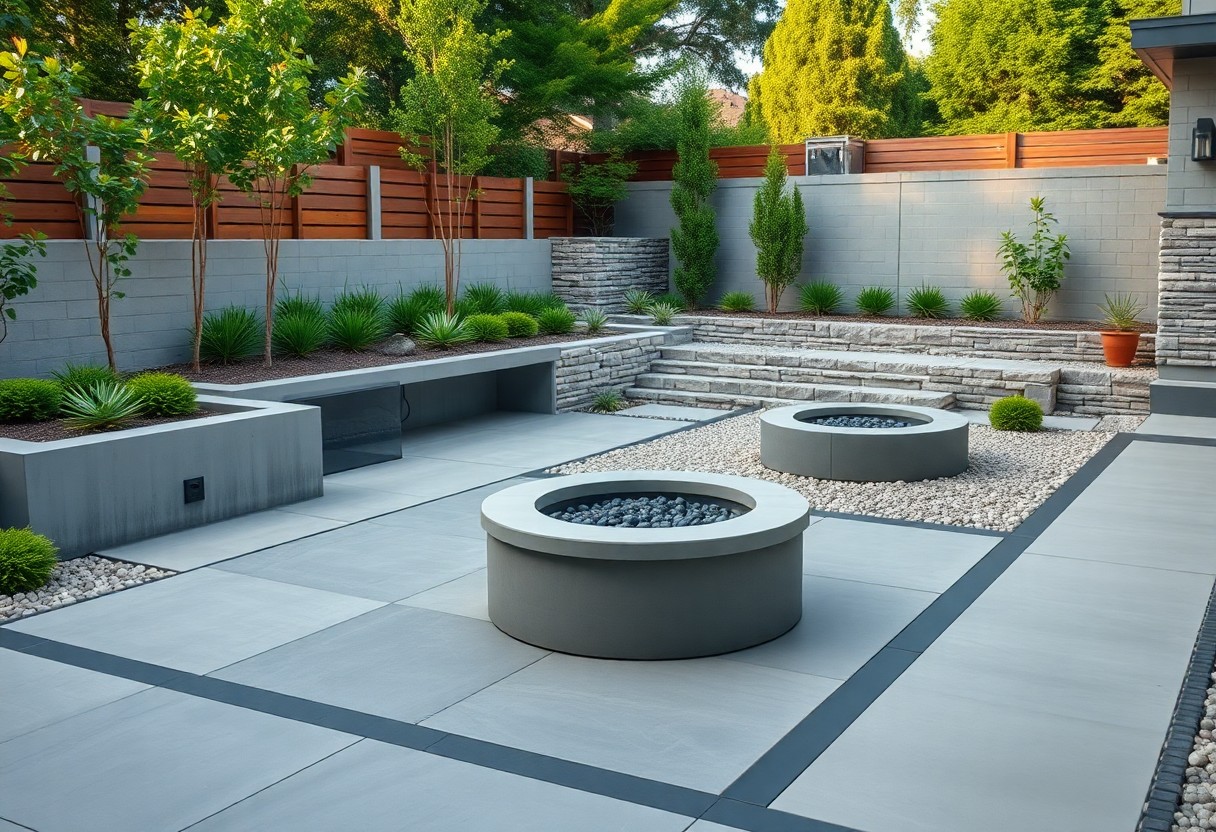
Patterns like herringbone or large-format rectangles add structured rhythm underfoot. You control the aesthetic pace with angular precision-repetition builds visual strength. These layouts thrive in open spaces where symmetry enhances modern appeal.
Contrast with Aggregate
Surround hard edges with crushed stone or decomposed granite to define zones. You introduce subtle texture differences that highlight clean lines-the softness of aggregate offsets rigid pavers. This contrast deepens dimension without clutter.
Choosing the right aggregate matters-color and grain size affect both look and function. A buff-colored gravel next to dark pavers creates a striking border that stays cool underfoot. Over time, fine particles settle, locking the stone in place, reducing erosion and maintenance. Keep edges sharp with metal edging to prevent migration into paver joints.
Building the Outdoor Hearth
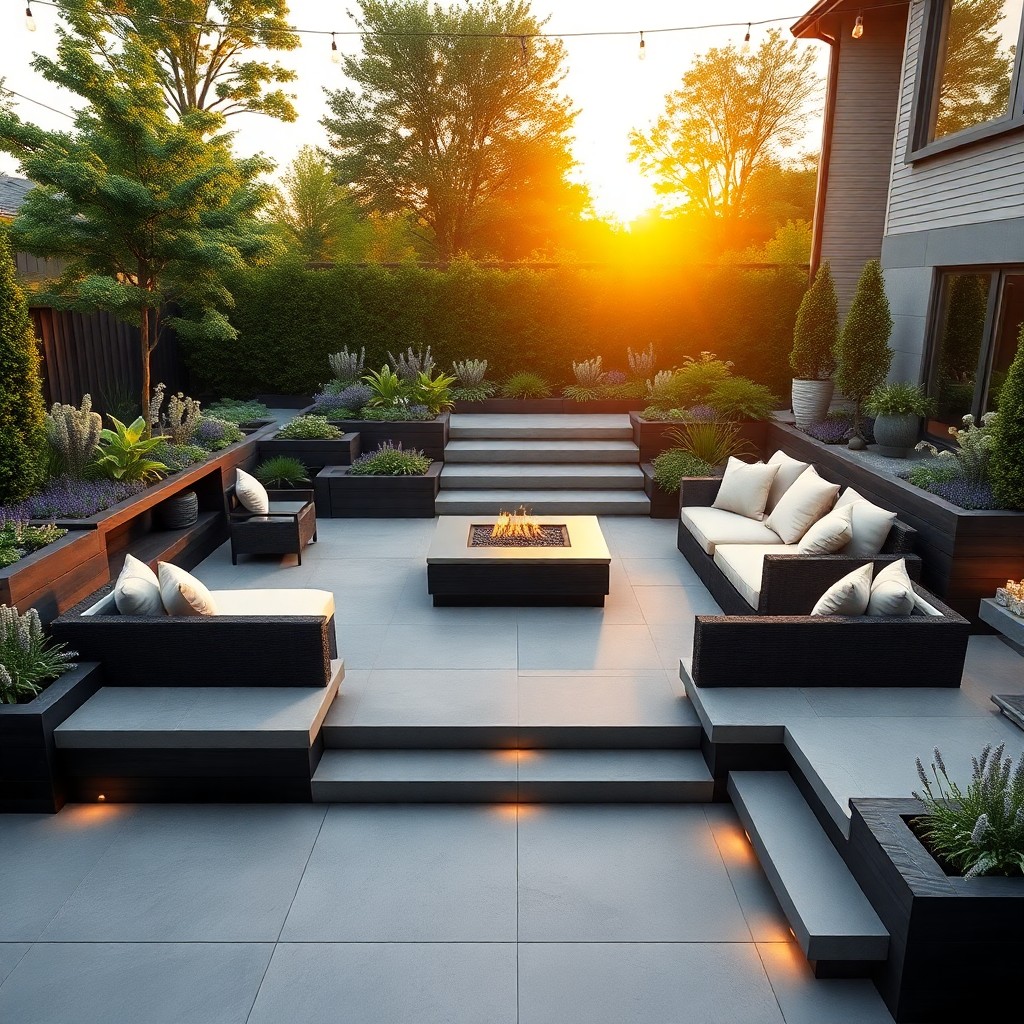
You transform your backyard into a year-round retreat by anchoring it with an outdoor hearth. This feature extends your living space beyond the walls of your home, offering warmth and ambiance during cool evenings. A well-placed hearth becomes the heart of your hardscape design, inviting conversation and connection.
Sunken Fire Pits
Lowered into the ground, sunken fire pits create a sleek, modern focal point. You gain a safer, wind-resistant flame that blends naturally with the landscape. These pits reduce tripping hazards and offer a cozy, intimate gathering vibe perfect for evening relaxation.
Concrete Bench Seating
Integrated concrete benches provide durable, low-maintenance seating around your hearth. You eliminate the need for movable furniture that weathers over time. These built-in seats offer structural unity and can be customized with finishes to match your hardscape.
Concrete bench seating supports both form and function when designed with proper backrest angles and cushion compatibility. You should reinforce the structure during pour to support weight over time. Sealing the surface prevents staining and freeze-thaw damage in colder climates, ensuring longevity with minimal upkeep.
Raising Vertical Structures
You gain both function and visual interest when you introduce height into your hardscape. Vertical elements break flat planes, add dimension, and define zones without closing off space. Well-placed structures can transform unused areas into dynamic focal points while supporting climbing plants or lighting features.
Tiered Retaining Walls
These walls shape sloped yards into usable, attractive terraces. They prevent erosion while creating space for seating, plantings, or pathways. Using modern materials like textured concrete or stacked stone gives a clean, intentional look that blends strength with style.
Modern Privacy Screens
Slatted wood, metal panels, or composite designs offer sleek separation without heaviness. You control sightlines while inviting light and airflow. Their minimalist profiles suit contemporary aesthetics and can be integrated with lighting or greenery for added depth.
Modern privacy screens do more than block views-they enhance mood and usability. Position them to shield seating areas from street exposure or to create a windbreak near outdoor kitchens. Some designs double as artful backdrops for climbing vines or integrated LED strips, blending utility with subtle elegance. Choose corrosion-resistant materials for long-term durability with minimal upkeep.
Illumination of the Dark
Light transforms how you experience your outdoor space after sunset. Strategic placement of fixtures draws attention to key features while enhancing safety and ambiance. You’re not just lighting a path-you’re shaping mood and movement through shadow and glow. Well-placed light extends usable hours and adds drama to hardscape elements you already love.
Hidden Ground Lighting
Concealed fixtures along walkways or beneath seating walls create a floating effect. You’ll enjoy subtle guidance without harsh glare. These low-profile lights blend seamlessly, emphasizing texture and form while staying nearly invisible during the day.
Uplighting Architectural Trees
Positioned at the base, upward-facing lights highlight a tree’s unique shape and bark texture. You’ll create striking silhouettes against the night sky. This technique turns specimen trees into dramatic focal points without altering your hardscape layout.
Uplighting architectural trees brings out their natural structure in ways daylight often misses. By aiming beams from ground level, you accentuate branching patterns and height, making them stand out in your nighttime design. Use warm-toned LEDs to enhance bark color and avoid light pollution. Proper angling prevents glare and ensures the effect remains elegant, not overwhelming, preserving the tranquility of your outdoor retreat.
The Flow of Still Water
You create calm by embracing stillness. A well-placed water feature doesn’t need movement to make an impact-its power lies in reflection and silence. Still water mirrors the sky and surroundings, adding depth and serenity to modern hardscapes without noise or distraction.
Minimalist Fountain Basins
Design focuses on clean lines and subtle motion. A shallow, geometric basin with a single water source offers gentle ripples without visual clutter. Less is more here-the simplicity enhances the modern aesthetic while maintaining soothing auditory appeal.
Reflective Pool Design
Size and placement define your pool’s effect. A long, narrow reflective pool draws the eye and extends the perceived space of your yard. Dark finishes intensify reflections, turning the surface into a living canvas of light and shadow.
Reflective pools work best when integrated with surrounding materials. Use matching stone or concrete decking to blur the line between water and hardscape. Keep edges sharp and water levels consistent for a flawless mirror effect. Even slight ripples can disrupt the illusion, so locate these pools away from windy corridors or high foot traffic zones.
Conclusion
To wrap up, 8 Creative Steps To A Modern Hardscaping Makeover gives you a clear path to transform your outdoor space. You choose materials that last, design with purpose, and blend functionality with style. Each step guides you toward a finished result that reflects your taste and fits your lifestyle, all without unnecessary complexity or guesswork.
FAQ
Q: What are the first steps to planning a modern hardscaping makeover?
A: Start by assessing your outdoor space and identifying how you want to use it-whether for dining, lounging, or gardening. Sketch a rough layout showing existing features like trees, walkways, or patios. Set a realistic budget and decide which materials fit both your style and climate. Concrete pavers, natural stone, and composite decking are popular choices. Research local building codes if you’re adding structures like retaining walls or fire pits. Planning with function and flow in mind helps avoid costly changes later.
Q: How can lighting improve a modern hardscape design?
A: Lighting adds safety, extends usability into the evening, and highlights key design elements. Use low-voltage LED fixtures along pathways, steps, and seating areas to guide movement. Place uplights near trees or architectural features to create depth and drama. Recessed step lights or slim strip lighting under benches or planters offer a clean, contemporary look. Solar-powered options work well in sunny spots and reduce wiring needs. A well-lit hardscape feels inviting and functional after dark.
Q: Can I incorporate eco-friendly elements into my hardscaping project?
A: Yes, sustainable choices are easy to integrate. Use permeable pavers that allow rainwater to seep through, reducing runoff and helping recharge groundwater. Recycled materials like crushed concrete or reclaimed brick lower environmental impact. Add dry creek beds or rain gardens to manage water naturally. Choose native plants in adjacent softscaped areas to minimize irrigation needs. These elements support the environment while maintaining a sleek, modern aesthetic.
About the Author