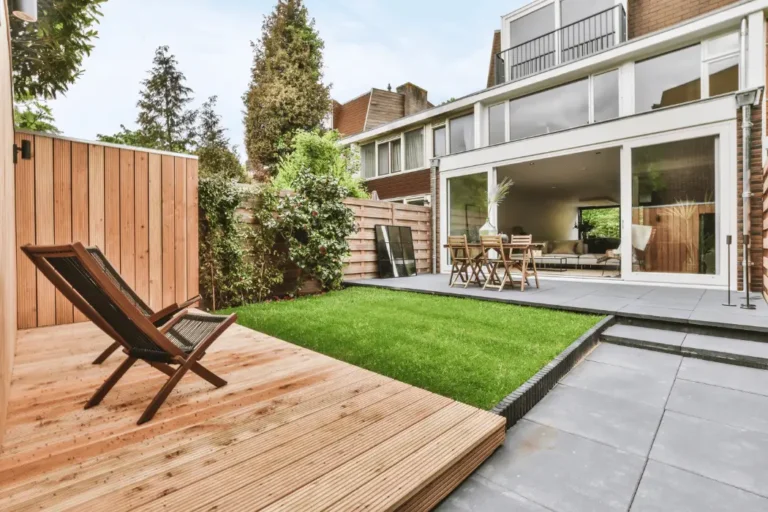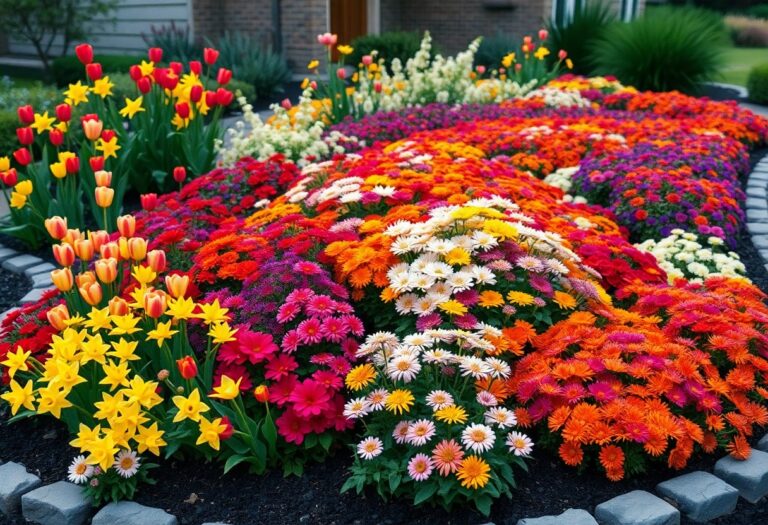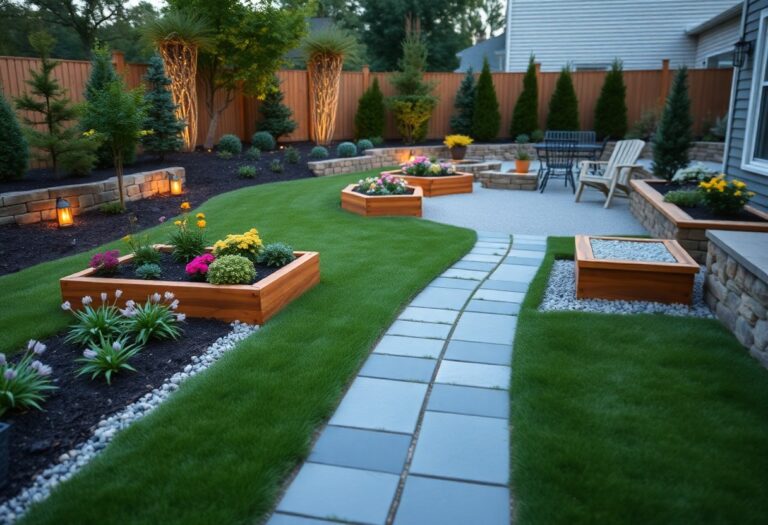
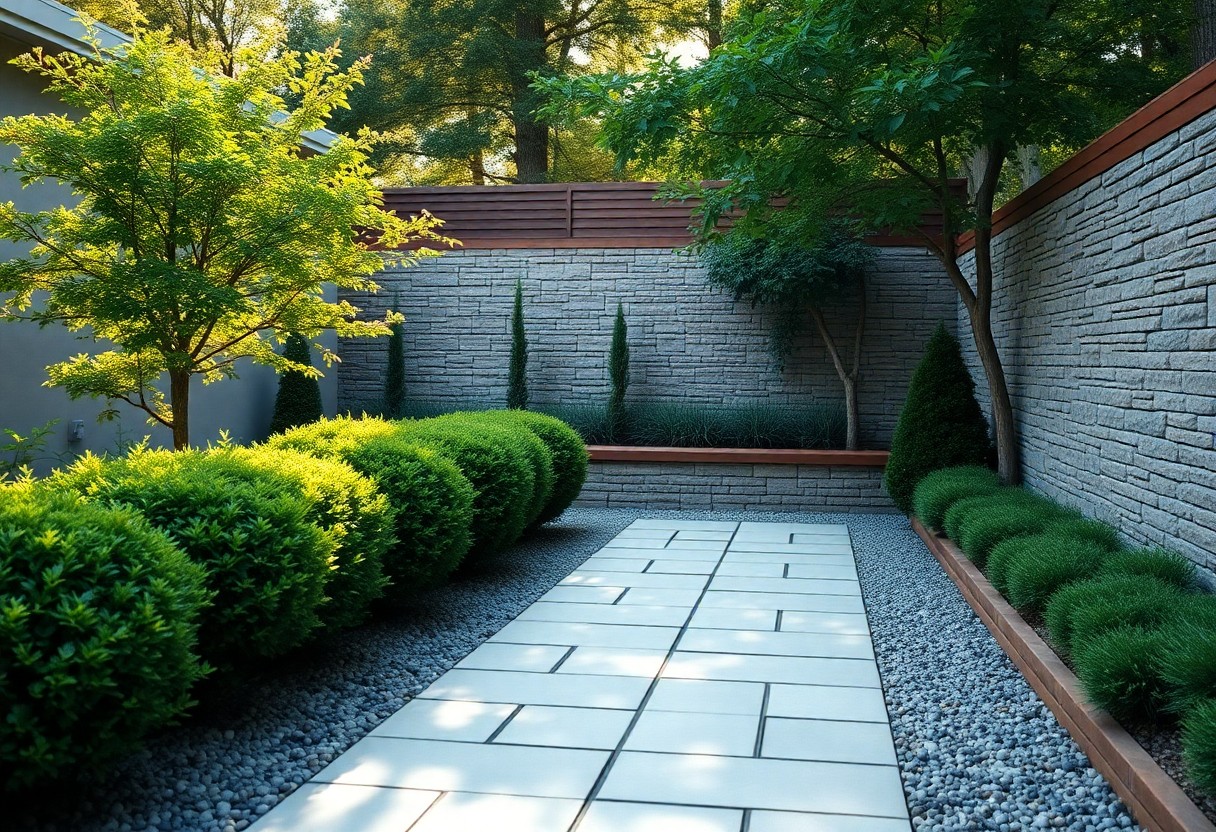
Most hardscape designs gain long-term durability and visual balance when paired with the right shrubs and trees. If done correctly, right shrubs and trees complement hardscaping projects effortlessly. You achieve natural softness against stone or concrete, reduce erosion, and create defined, functional zones in your outdoor space. Strategic plant placement enhances shade, privacy, and year-round aesthetic appeal without compromising structural integrity.
Key Takeaways:
- Shrubs and trees add natural texture and color that soften the hard lines of structures like patios, walkways, and retaining walls.
- They provide seasonal interest through changing foliage, flowers, or bark, making hardscapes feel more dynamic throughout the year.
- Strategically placed plants can define spaces, guide movement, and create privacy around decks, driveways, or outdoor seating areas.
- Tree canopies and shrub masses offer shade and wind protection, improving comfort near paved or built surfaces that absorb heat.
- Root systems help stabilize soil around hardscape edges, reducing erosion and supporting long-term structural integrity.
The Softened Edge of Stone
You see how shrubs brush gently against stone walls, turning rigid lines into living borders. Their foliage drapes over pavers and frames concrete with organic texture, making hard surfaces feel less imposing. This contrast creates visual harmony, where the permanence of masonry meets the soft rhythm of growth. Over time, roots stabilize soil near hardscapes, reducing erosion and protecting your investment.
Vertical Sentinels of the Patio
You anchor your patio’s design with upright shrubs and slender trees that draw the eye upward. These vertical forms add structure and privacy, transforming open spaces into defined outdoor rooms. Their steady presence balances hardscapes like stone walls or concrete pavers, softening hard lines while enhancing aesthetic cohesion. In sun or shadow, they stand as living pillars, shaping both light and mood throughout the day.
Color Harmonies of Leaf and Rock
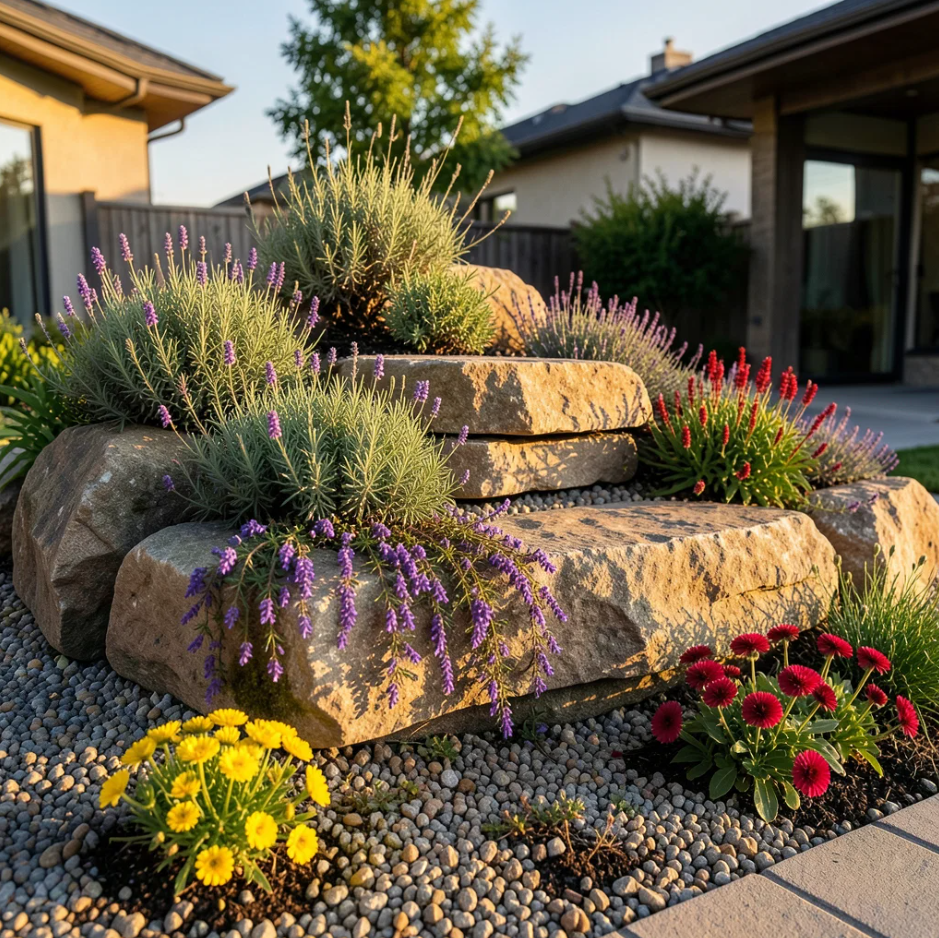
You balance warm-toned stone with cool green foliage to create visual contrast that draws the eye. Evergreen shrubs provide consistent color against gray or beige pavers, while seasonal leaf changes add dynamic interest. Red-twig dogwood beside sandstone intensifies its hue, creating a natural synergy. This interplay enhances depth and dimension, making hardscape features feel integrated, not imposed.
Living Walls and Privacy Screens
You transform bare fences and blank walls into lush, breathing features by training climbing shrubs or planting dense evergreens close together. These living walls block unwanted views and reduce noise, giving your outdoor space a secluded feel. You gain seasonal texture and natural color without sacrificing yard square footage. Proper plant selection prevents root damage to hardscape structures, ensuring beauty and function coexist.
The Rooted Foundation
Stability and Soil Integrity
Roots anchor soil, reducing erosion around patios and walkways. You benefit from stronger ground support where hardscaping meets planting zones. Deep-rooted trees and shrubs hold the earth in place, especially on slopes or after heavy rain. This natural reinforcement protects foundational structures from shifting, ensuring your retaining walls and stone paths remain intact over time.
Final Words
On the whole, shrubs and trees enhance hardscaping by adding depth, texture, and seasonal interest to structures like patios, walkways, and walls. You see how greenery softens hard lines, creates natural shade, and frames outdoor spaces with visual balance. These plants integrate function and beauty, making your landscape feel cohesive and thoughtfully designed.
FAQ
Q: How do shrubs and trees enhance the visual appeal of hardscaping features like patios and walkways?
A: Shrubs and trees frame hardscape elements by adding layers of color, texture, and height that contrast with hard surfaces like stone, concrete, or pavers. A row of boxwoods along a stone path creates a clean, defined edge, while a flowering tree like a dogwood above a patio casts dappled shade and seasonal blooms. These plants soften the rigid lines of built structures, making outdoor spaces feel more inviting and balanced. Their changing foliage through the seasons also keeps the area visually dynamic year-round.
Q: Can trees and shrubs help with privacy around hardscaped areas such as decks or outdoor kitchens?
A: Trees and shrubs act as natural screens that block unwanted views from neighboring properties or streets. Evergreen shrubs like arborvitae planted along a deck perimeter provide year-round coverage, while taller trees such as red maples or white pines create a living wall when grouped strategically. Placing them near seating areas or outdoor cooking zones adds seclusion without closing off the space completely. Their presence also reduces noise and wind, making hardscaped zones more comfortable for use.
Q: In what ways do shrubs and trees support the function of hardscaping in extreme weather?
A: Trees offer shade that cools paved areas, reducing surface temperatures on driveways and patios during hot months. This makes walking barefoot safer and lowers heat buildup in adjacent buildings. Shrubs planted near retaining walls or steps help stabilize soil and manage runoff, preventing erosion that could damage stone or concrete structures. Deciduous trees are especially useful-they provide summer shade but allow sunlight through in winter when leaves fall, supporting passive climate control around outdoor living spaces.
About the Author