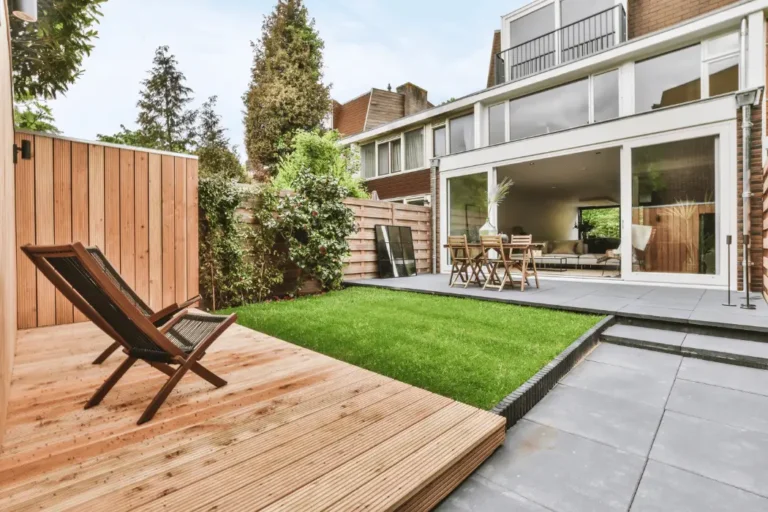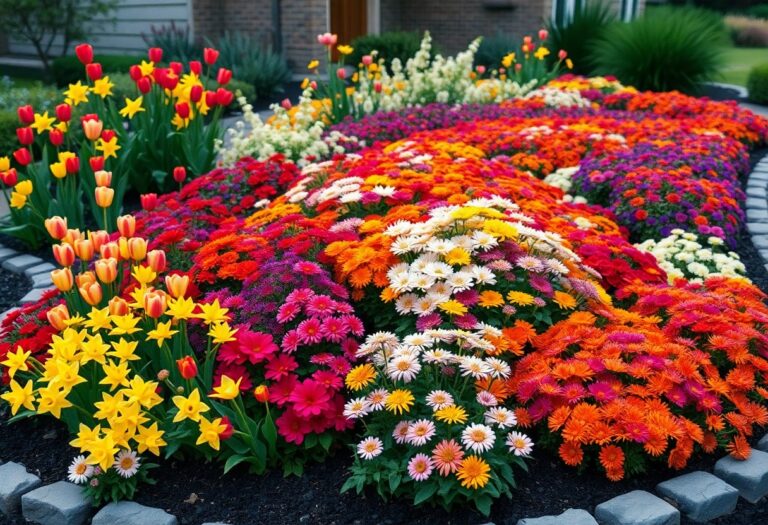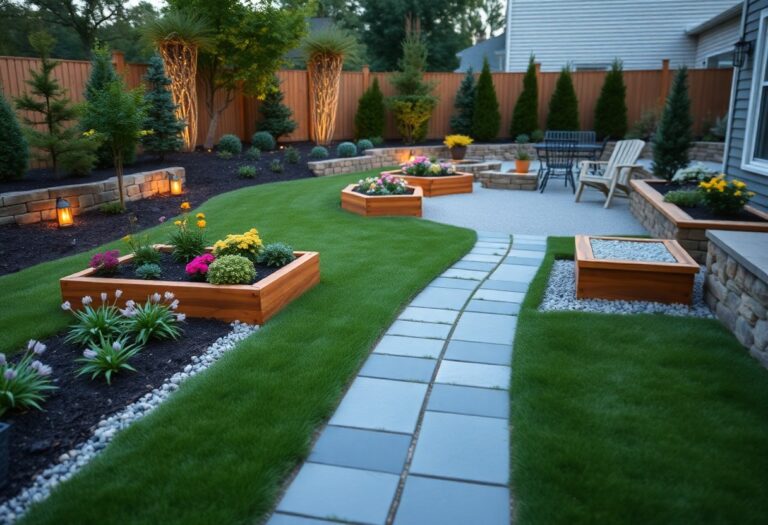

You can transform your yard into a vibrant landscaping paradise style thriving outdoor space with simple, effective steps. Choosing native plants boosts resilience and reduces maintenance, while poor drainage can ruin even the best design. Proper sunlight planning and soil prep lead to long-term color and health. Start small, think long-term, and let nature do the work.
Key Takeaways:
- Begin by assessing your yard’s natural conditions, including sunlight, soil type, and drainage, to choose plants that will thrive without constant maintenance.
- Group plants with similar water and light needs together to simplify care and conserve resources.
- Use layers in your design-tall trees in the back, shrubs in the middle, and flowering plants in front-for depth and visual interest.
- Add hardscape elements like pathways or seating areas to create functional spaces and guide how people move through the yard.
- Include plants that bloom at different times of year to maintain color and activity in your garden across all seasons.
Scoping The Untained Ground
You begin by walking the land with open eyes, noting slopes, sun patterns, and existing vegetation. This initial survey reveals what the soil and climate already support. Ignoring drainage issues now leads to costly problems later, so mark low spots where water pools after rain. Your observations form the foundation of a thriving design.
Reading The Land
Seasonal changes tell you what the site truly needs. Watch how sunlight moves across the yard from dawn to dusk. Shady zones limit plant choices, while full-sun areas demand heat-tolerant species. You’ll spot microclimates-warm pockets near walls or cold dips-that guide where to place sensitive plants.
Embracing Native Roots
Local plants are already adapted to your soil, rainfall, and pests. Choosing them reduces watering and chemical use. They support pollinators and birds, creating a resilient, living garden. You’re not just planting-you’re restoring balance where your landscape connects naturally with the surrounding ecosystem.
Native species thrive because they evolved with your region’s rhythms. Switchgrass stabilizes slopes, while black-eyed Susan blooms with little care. Once established, these plants often outperform exotic imports, needing no fertilizers or daily watering. You gain beauty that lasts, with far less work and environmental impact. Let the land guide your palette-nature already knows what grows best.
Planting For The Soul
You don’t need a grand design to create a garden that speaks to your spirit. Choose plants that bring you joy, not just visual appeal. Let color, scent, and texture guide your selections-each bloom and leaf should feel like a personal invitation to pause and breathe. This is where beauty meets emotion.
Picking Hardy Blooms
Seasonal color thrives when you select flowers built to endure. Marigolds, coneflowers, and black-eyed Susans return year after year with minimal care. These resilient varieties withstand temperature swings and pests, ensuring your garden stays bright even when challenges arise. Choose wisely and enjoy lasting vibrancy.
Mixing Leafy Shades
Texture defines depth in any living space outdoors. Combine deep emerald hostas with silvery lamb’s ear or bright chartreuse heuchera to create contrast. Diverse foliage keeps visual interest high, even when flowers fade. Your eyes will linger where layers of green (and not-so-green) leaves play off one another.
Leaf color variation does more than please the eye-it stabilizes your garden’s look across seasons. While flowers bloom and vanish, foliage remains, offering a consistent backdrop. Use dark leaves to ground a bed, light tones to lift the gaze, and variegated edges to draw attention. This subtle layering creates dimension without relying on petals, making your space feel full and intentional all year long.
Feeding The Deep Soil
You build lasting plant health from the ground up by enriching deep soil layers. Strong root systems thrive when nutrients penetrate below the surface, not just at the top. Feeding deep soil supports drought resistance and long-term vitality without constant maintenance.
Using Natural Rot
Organic matter breaks down naturally to feed your soil’s ecosystem. Fallen leaves, spent plants, and small branches slowly decompose, releasing nutrients back into the earth. This process builds rich, living soil that supports stronger, healthier growth over time.
Managing Rain Flow
Water moves quickly across hard surfaces, but your garden needs slow, deep absorption. Direct runoff into planting zones using simple trenches or basins. This prevents erosion and ensures every drop benefits your plants.
Rain doesn’t have to be wasted or destructive. By shaping the land slightly-adding shallow swales or gravel-filled dips-you guide water where it’s needed most. These small changes let moisture soak into root zones instead of flooding paths or washing away soil. Over time, this method reduces irrigation needs and protects against dry spells and water damage.
Building Quiet Nooks
Designing secluded retreats within your yard invites moments of calm. You can tuck a small bench behind shrubs or curve a path to a hidden bench nook. These quiet spaces offer sanctuary from daily noise, letting you reconnect with nature in your own backyard.
Setting Rock Seats
Place flat, sturdy stones or boulders along a garden trail to form natural seating. Ensure each rock is level and secure to prevent tripping hazards. Over time, moss and lichen enhance their look, blending function with timeless beauty.
Welcoming Winged Neighbors
Install a birdbath near flowering plants to draw in songbirds. Clean water and native blooms are powerful lures. You’ll enjoy daily visits from colorful species while supporting local wildlife.
Position the birdbath in a shaded spot to slow algae growth and refresh water every few days. Add a shallow ledge or small stones so birds can perch safely. Nearby bushes give them cover from predators, making your garden a trusted haven. Consistent care turns this simple feature into a thriving bird sanctuary.

Seasonal Labor Of Love
Every season brings new demands and rewards in your garden. You shape its rhythm through consistent care, adapting to nature’s shifts with purpose. Spring pruning encourages lush growth, while fall cleanup protects against winter threats. Your hands-on attention turns routine tasks into moments of connection with the earth.
Trimming With Care
Sharp shears make clean cuts that heal quickly, reducing disease risk. Shape shrubs to promote airflow and sunlight penetration. Over-pruning weakens plants, so step back often to assess balance. Timing matters-trim flowering shrubs right after bloom.
Guarding The Roots
Healthy roots mean resilient plants. Mulch shields them from temperature swings and moisture loss. Apply 2-3 inches of organic mulch, keeping it away from stems to prevent rot. This simple layer blocks weeds and feeds soil life over time.
Roots thrive when undisturbed and insulated. Without protection, they suffer from foot traffic, drought, and extreme temperatures. Organic mulch like shredded bark or compost not only safeguards but slowly enriches the soil. Exposed roots can lead to plant decline, so consistent coverage is one of your most effective defenses.
To wrap up
To wrap up, you now have simple, actionable steps to shape your outdoor space into a vibrant landscaping paradise. Choose plants that thrive in your soil and climate, arrange them with color and texture in mind, and maintain them regularly. With consistent care and smart design choices, your yard can become a lively, inviting retreat year-round.
FAQ
Q: What are the first steps to design a vibrant garden on a small budget?
A: Start by sketching a simple layout of your yard, noting sunny and shady areas. Choose native plants that thrive in your region-they usually need less water and care. Group plants with similar needs together to save time and resources. Use mulch made from yard waste or inexpensive materials to suppress weeds and retain moisture. Shop for plants at local end-of-season sales or community swaps to get quality stock at lower prices. Planning smart means you can build beauty over time without overspending.
Q: How can I keep my landscaping colorful all year round?
A: Select a mix of perennials, annuals, and shrubs that bloom in different seasons. For spring, try tulips and daffodils. Add coneflowers and black-eyed Susans for summer color. In fall, ornamental grasses and asters bring warmth. Winter interest comes from plants like winterberry or red-twig dogwood with bright stems. Evergreen ground covers and hardscape features such as stone paths or decorative pots also maintain visual appeal when flowers fade. Timing and variety keep the garden lively every month.
Q: What’s the best way to care for soil in a home garden?
A: Test your soil’s pH and texture first-kits are available at garden centers. Most plants prefer slightly acidic to neutral soil. If the ground is too clay-heavy, mix in compost or aged manure to improve drainage. Sandy soil benefits from organic matter to help it hold water. Each spring, add a 2-inch layer of compost across planting beds. Avoid walking on garden soil to prevent compaction. Healthy soil grows strong roots, which means healthier, more vibrant plants.
About the Author