
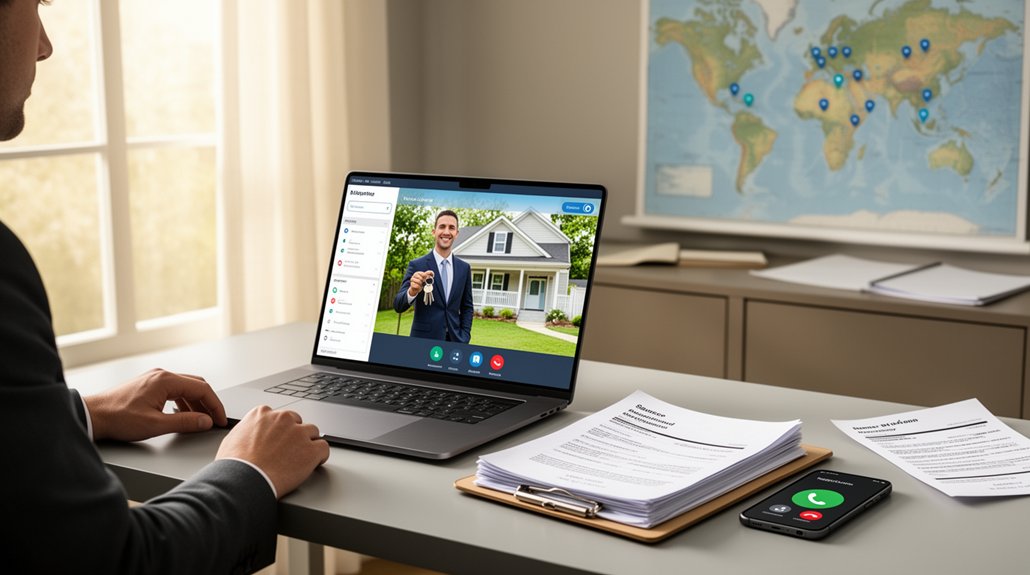
You don’t have to give up control just because you hire full-service property management. When you manage remotely, your biggest risk isn’t the monthly rent—it’s the slow response to leaks, lockouts, repairs, and tenant problems that turn into vacancy and legal exposure. A full-service manager gives you local oversight, vetted vendors, compliant notices, and documented updates so you can act fast from anywhere. The question is where remote self-management fails first—and what it costs you.
Key Takeaways
- Local oversight prevents small issues from becoming costly emergencies, reducing damage, liability, and vacancy time for remote owners.
- Full-service teams handle marketing, showings, screening, and compliant leases, producing stronger tenants and fewer late payments or evictions.
- 24/7 maintenance intake and vetted vendors enable rapid, documented repairs with clear scopes, controlled pricing, and quality checks.
- Standardized rent collection, notices, and monthly reporting provide audit-ready financials and consistent enforcement without time-zone delays.
- Routine inspections and preventive maintenance catch leaks, HVAC problems, and safety risks early, protecting the asset and stabilizing long-term returns.
Is Full-Service Property Management Worth It Remotely?

When you manage a rental from miles away, small issues can turn into costly emergencies fast—so is full-service property management worth it remotely? For a Remote landlord, the value is measured in risk reduction, response speed, and predictable outcomes. You can’t easily verify repairs, screen vendors, or spot lease drift yourself, so mistakes compound.
You gain management efficiency when a local team enforces consistent procedures, documents decisions, and handles time-sensitive coordination without waiting on your schedule or travel. That translates into fewer vacancy days, fewer preventable maintenance escalations, and cleaner financial reporting for taxes and budgeting. You also protect your time: instead of chasing updates across time zones, you set performance expectations and review results. If your distance limits oversight, full-service management usually pays for itself.
What Full-Service Property Management Includes (Checklist)
To manage remotely without guesswork, you need a full-service checklist that covers leasing and marketing, maintenance and repairs, and rent collection and reporting. You’ll secure qualified tenants fast with targeted advertising, showings, and screening, while your manager coordinates vendors and fixes issues before they become costly. You’ll also get on-time rent processing, enforceable follow-up on delinquencies, and clear monthly statements that keep your numbers audit-ready.
Leasing And Marketing
- Create professional listings, photos, and syndication across major platforms.
- Manage inquiries, schedule showings, and capture applicant data.
- Screen applicants: credit, income, rental history, and verification checks.
- Draft compliant leases, collect deposits, and coordinate move-in paperwork.
Maintenance And Repairs
With the lease signed and the tenant moved in, your next risk is the one that’s hardest to manage from a distance: maintenance. Full-service management sets a clear request workflow, triages emergencies, and dispatches vetted vendors who meet insurance and licensing requirements. You get documented before-and-after photos, itemized scopes, and approval thresholds so small fixes don’t wait, and big repairs don’t surprise you.
You’ll also protect long-term value through preventive schedules: HVAC servicing, filter changes, pest control, gutter cleaning, and water-leak checks. Managers coordinate compliant permits and warranty claims, then confirm repairs pass quality standards. They’ll recommend cost-justified Landscaping upgrades to reduce turnover, and Security enhancements like lighting, locks, and camera-ready wiring to deter incidents. You stay hands-off while the property stays safe, functional, and tenant-ready year-round.
Rent Collection And Reporting
Because missed or inconsistent payments can unravel your cash flow fast, full-service management standardizes rent collection and reporting from day one. You won’t chase tenants across time zones or wonder whether a rent payment posted, cleared, or failed. Your manager enforces lease terms, applies late fees consistently, and documents every transaction so you can audit decisions quickly and confidently.
- Set up online portals and approved payment methods to reduce friction and excuses.
- Track delinquencies daily, send notices on schedule, and escalate per local rules.
- Reconcile deposits, fees, and owner draws to protect reporting accuracy.
- Deliver monthly statements with income, expenses, and year-to-date summaries for taxes.
You get predictable cash flow, cleaner books, and fewer disputes, even from afar.
Where Remote Self-Management Breaks Down Fastest

Remote self-management breaks down fastest when you’re coordinating vendors from afar, because missed calls, unclear scopes, and scheduling gaps turn small repairs into costly disruptions. You can’t afford emergency response delays either—when a leak, lockout, or outage hits, every hour you’re unavailable increases damage, tenant frustration, and liability. To prevent that, you need reliable local coverage with pre-vetted trades, clear work orders, and a 24/7 escalation plan.
Vendor Coordination Failures
How quickly can a minor repair turn into a vacancy when you’re coordinating vendors from miles away? Without on-the-ground vendor oversight, small issues stall while you chase estimates, schedules, and parts in a tight supply chain. Tenants don’t care why the plumber can’t get the right fitting; they care that the sink still leaks and their trust is fading.
Full-service management prevents coordination breakdowns by running a repeatable workflow:
- Pre-vetted trades with verified insurance and performance history
- Clear scopes of work that eliminate change-order surprises
- Centralized scheduling that aligns access, tenant communication, and follow-ups
- Standardized pricing benchmarks and photo documentation for approval
You stay in control with fast, auditable decisions, while the manager keeps vendors accountable and the unit stable.
Emergency Response Delays
When a true emergency hits—water intrusion, no heat, an electrical fault—you don’t have hours to triage from a distance; you need action in minutes. Remote self-management creates Emergency delays: you’re texting tenants, calling vendors you haven’t vetted, and waiting for return calls while damage spreads. Your Response times slip further when you’re in a different time zone or stuck in meetings, and you can’t authorize access, approve spend, or confirm scope fast enough.
Full-service management closes that gap with 24/7 intake, on-call technicians, and pre-negotiated pricing. You get immediate dispatch, documented photos, and written estimates before work starts. They also coordinate entry, shutoffs, temporary heat, and water mitigation, so you reduce liability, prevent secondary damage, and protect your cash flow.
Tenant Screening That Reduces Late Pay and Evictions
Why do some rentals run like clockwork while others spiral into late payments and turnovers? When you’re remote, you can’t “feel out” applicants in person, so you need Tenant screening that’s consistent, documented, and defensible. A full-service manager runs verifications that predict payment behavior and filter out eviction risk before keys change hands.
- Pull credit, income, and debt-to-income ratios to confirm rent affordability.
- Verify employment and paycheck history, not just offer letters.
- Check landlord references with targeted questions on late payments, notices, and move-out damage.
- Run criminal and eviction records in compliance with fair-housing rules.
You get fewer payment surprises, stronger lease compliance, and reduced turnover costs, because the process screens for reliability, not charm.
Leasing, Renewals, and Rent Increases Done for You
Even if you live across the country, you still need a leasing process that’s fast, compliant, and built to protect rent value over time. Full-service management handles marketing approvals, lease drafting, disclosures, addenda, and fair-housing compliant documentation, so you don’t miss state-specific requirements. You get clear lease terms, enforceable policies, and a documented paper trail that supports future enforcement.
When renewal time hits, your manager tracks deadlines, evaluates resident performance, and proposes options that balance Tenant retention with revenue goals. They benchmark comps, review expense trends, and implement structured rent escalation tied to market data, not guesswork. You approve the strategy, and they deliver notices, negotiate professionally, and execute the renewed lease or updated terms on schedule, protecting cash flow and reducing administrative risk.
How Property Management Reduces Vacancy Time

Strong leasing and renewal execution protects rent value, but vacancy is where cash flow takes the hardest hit. With full-service management, you shorten downtime by coordinating every handoff and removing delays that remote owners can’t easily solve. You gain Landlord flexibility because the team can act same-day while you stay informed, not overloaded. You also protect Tenant satisfaction by delivering a clean, ready home fast, which strengthens demand and referrals. Key vacancy reducers include:
- Pre-move-out scheduling for inspections, cleaners, and vendors.
- Ready-to-show standards with photos, signage, and secure access.
- Rapid make-ready scope, bids, approvals, and quality checks.
- Market-timed pricing and showing cadence to create urgency.
The result: fewer dark days, tighter turnover timelines, and steadier income.
Rent Collection, Notices, and Delinquency Workflows
Because late rent can unravel your cash flow in days, full-service management runs tight rent-collection workflows that keep payments predictable and issues contained. You get automated reminders before due dates, clear online payment options, and same-day posting to your ledger. When rent doesn’t arrive, your manager issues compliant pay-or-quit notices on the correct timeline, documents every touchpoint, and tracks statutory deadlines so you don’t miss enforcement windows. You receive concise delinquency reports with balances, fees, and next actions, not vague updates. Managers also align notices with lease terms to support Rent escalation clauses and prevent disputes. During lease negotiations, they standardize payment provisions, late fees, and notice language, so delinquency is easier to cure or escalate consistently.
Repairs Handled Fast With Local Vendors
You can’t manage repairs from afar without trusted boots on the ground, so you rely on a vetted local vendor network that’s licensed, insured, and performance-checked. When a request comes in, you coordinate fast—dispatch the right pro, approve a clear scope and estimate, and schedule access with the tenant. You get timely updates and documented completion, so issues don’t linger and costs stay controlled.
Vetted Local Vendor Network
When a repair request hits your inbox, a vetted local vendor network lets your property manager dispatch the right pro immediately instead of scrambling to find availability. You benefit from reliable workmanship, consistent pricing, and documented performance, even from miles away. That stability protects tenant retention by minimizing repeat issues and keeping homes safe, compliant, and comfortable. It also strengthens lease negotiations because you can credibly promise predictable service standards and maintenance accountability. A true network isn’t a random contact list; it’s a curated bench with clear expectations and proof of results:
- Licensed, insured trades with verified scope
- Pre-negotiated rates and warranty terms
- Quality checks and photo documentation
- History-based scoring that removes underperformers
You’ll reduce surprises, avoid inflated invoices, and maintain control without being on-site yourself.
Rapid Repair Coordination
Even if you’re managing from another state, rapid repair coordination keeps small issues from turning into expensive emergencies. Your manager triages requests, confirms scope with photos or video, and dispatches proven local vendors within defined response windows. You get clear estimates, work orders, and completion proof, so you can approve repairs quickly without endless calls.
Fast fixes protect habitability, reduce liability, and preserve the asset’s long-term value. They also drive Tenant retention: residents stay when maintenance feels predictable and professional. When renewals come up, a clean service history strengthens lease negotiations because you can justify rent adjustments with documented upkeep and fewer recurring problems. You’ll also avoid after-hours panic by using emergency protocols, vendor availability schedules, and follow-up inspections that verify quality before closing tickets.
24/7 Maintenance Calls (No Midnight Landlord Texts)
Although tenants rarely pick convenient hours for emergencies, full-service management keeps a 24/7 maintenance line in place so issues get triaged fast and handled by vetted vendors—without your phone lighting up at midnight. You’ll get a clear summary, photos, and costs, while managers enforce authorization limits and document every step for accountability. That consistency boosts Tenant retention and supports smoother lease negotiations because residents see problems resolved promptly, not debated.
- Intake scripts confirm severity, shutoffs, and immediate safety steps.
- On-call coordinators dispatch licensed trades with agreed rates.
- Vendors provide timestamps, before/after photos, and invoice detail.
- You receive next-day reporting and options for preventative upgrades.
You stay in control without being on call.
Routine Inspections That Protect Your Asset
Routine inspections keep you in control of your rental from anywhere by catching leaks, unauthorized occupants, safety hazards, and wear before they become expensive repairs. You’ll get time-stamped photos, condition notes, and follow-up actions that create a clear paper trail for compliance and tenant accountability. With consistent reporting and documented fixes, you protect your asset, reduce disputes, and stay audit-ready.
Early Problem Detection
When you can’t walk the property yourself, scheduled inspections become your first line of defense against costly surprises. A full-service manager spots small failures before they become vacancies, claims, or major capex. You get actionable updates that protect Tenant satisfaction and sharpen rent forecasting by keeping condition and demand aligned.
- Catch leaks, HVAC strain, and electrical wear early, reducing emergency calls and downtime.
- Identify tenant-caused issues fast, then coach behavior before damage spreads.
- Track exterior risks—drainage, roof wear, pests—so weather doesn’t turn minor defects into big bills.
- Verify turnover readiness continuously, shortening make-ready time and preserving premium pricing.
You stay remote, but you don’t stay blind; you make decisions while problems are still cheap to fix.
Compliance And Documentation
Because documentation drives outcomes in disputes, routine inspections should produce compliance-grade records, not vague notes. Your manager should follow a standardized checklist that maps to lease clauses, habitability codes, smoke/CO requirements, and maintenance standards. Each visit must capture time-stamped photos, meter readings, and condition ratings, then log actions taken and deadlines for corrections.
You’ll stay protected when findings trigger written notices, vendor work orders, and tenant acknowledgments, all stored as digital documentation in one audit-ready file. Remote communication matters too: you need prompt summaries, exception reports, and approvals routed through secure portals so nothing gets lost in texts. With consistent inspection intervals and documented follow-up, you reduce liability, support rent increases with evidence, and defend deductions with proof if a claim arises later.
Preventive Maintenance That Stops Expensive Surprises
Even if you live hundreds of miles away, preventive maintenance keeps small issues from turning into costly, emergency repairs that erode your cash flow. Full-service management builds a schedule you can trust and removes guesswork shaped by landlord psychology—so you don’t delay fixes because a problem “seems minor.” With disciplined tenant communication, residents report symptoms early, and your manager verifies them fast, reducing downtime and vendor markups. Your plan should include:
- Seasonal HVAC servicing and filter checks
- Roof, gutter, and exterior drainage inspections
- Plumbing leak detection, water-heater flushing, shutoff testing
- Safety checks: smoke/CO devices, GFCIs, handrails, trip hazards
You’ll get photo-documented results, prioritized work orders, and coordinated vendors—so you approve predictable maintenance instead of funding panic-driven replacements. This protects your asset and stabilizes NOI year-round.
Lease Enforcement and Documentation That Holds Up
Predictable maintenance protects your property, but disciplined lease enforcement protects your income. When you’re remote, you can’t rely on gut checks or casual reminders. A full-service manager enforces your lease agreement consistently: rent due dates, late fees, cure notices, parking rules, pet policies, and maintenance reporting requirements. You get fewer gray areas, less tenant pushback, and faster resolution when issues start.
Just as important, you need records that stand up to scrutiny. Your manager follows tight documentation standards: time-stamped ledgers, communication logs, inspection photos, work orders, and signed notices. They document every exception, payment plan, and tenant request in writing, then store it securely and accessibly. That paper trail protects you from “he said, she said” disputes and helps you act decisively without delay.
Local Compliance: Landlord-Tenant Laws and Licensing
When you manage a rental from out of state, local landlord-tenant rules can change faster than your lease template. A full-service manager keeps you compliant so you don’t trigger fines, delays, or invalid notices. They track city, county, and state local regulations and apply them to your day-to-day decisions, not just paperwork. You’ll also avoid surprises around licensing requirements that can shut down leasing or void fee collection.
- Verify registration, permits, and renewal dates before marketing.
- Use jurisdiction-specific notice periods, service methods, and cure language.
- Follow security-deposit caps, timelines, and itemization rules precisely.
- Document habitability, inspections, and vendor work to meet code standards.
That oversight protects your cash flow and reduces legal exposure.
Owner Reporting: KPIs, Photos, and Monthly Statements
Because distance makes it harder to spot small issues before they become expensive, full-service management gives you disciplined owner reporting—clear KPIs, time-stamped photos, and clean monthly statements—so you can track performance and approve decisions without guessing. You see occupancy, rent-collection speed, delinquency rate, turn time, and maintenance completion trends in one dashboard, with KPI insights that flag slippage early. You get photo documentation for move-ins, inspections, and repairs, so condition debates don’t stall decisions. Monthly statements reconcile rents, credits, reserves, and owner disbursements to the ledger, and you can match every line item to notes, work orders, and deposits. With consistent Owner reporting, you stay audit-ready, set targets, and intervene fast—without being on-site.
Cost Breakdown: Management Fees, Leasing, and Markups
Strong reporting tells you what’s happening; a clear cost breakdown tells you what you’re paying for to keep it that way. For remote owners, you need a tight fee structure that aligns incentives and prevents surprise erosion of cash flow. Run a quick Cost analysis across these common line items:
- Management fee: typically a percent of collected rent; confirm what’s excluded.
- Leasing fee: clarify whether it’s flat, a percent of first month, or full month’s rent, and if renewals cost extra.
- Maintenance markups: ask how vendors are selected and whether parts, labor, or admin time get marked up.
- Ancillary charges: inspections, eviction coordination, bill pay, postage, and technology fees.
When each charge is defined, you can forecast accurately and compare performance month to month.
How to Choose a Full-Service Property Manager Remotely
Although you can’t tour their office or shadow a showing, you can still vet a full-service property manager with a repeatable, document-driven process that exposes how they operate day to day. Start by requesting a sample management agreement, tenant screening criteria, and three recent inspection reports with photos. Verify licensing, insurance, trust accounting practices, and vendor bid controls.
Next, test Remote communication: schedule a 15-minute call, then email two follow-up questions and time their response. Ask for a maintenance workflow diagram, after-hours escalation rules, and a monthly reporting package. Require digital documentation for every approval: estimates, invoices, lease addenda, and move-in/move-out condition sheets. Finally, interview two current out-of-state owners and confirm renewal rates, delinquency handling, and average days-on-market performance.
Frequently Asked Questions
How Are Security Deposits Held and Returned Across State Lines?
You hold deposits in the rental’s state per Security deposit regulations, often in a local trust/escrow account, and document terms. For cross state compliance, you itemize deductions, meet deadlines, and refund via check or ACH.
Can a Manager Represent Me in Court or During Eviction Hearings?
You can’t assume your manager provides Legal representation; many can file notices, serve paperwork, and guide Eviction procedures, but court appearances often require you or an attorney. You’ll confirm scope, licensing, and local rules.
Will My Mortgage or Insurance Require Specific Management Arrangements?
Usually, no—your mortgage or insurance won’t demand special management, but read them like a map. Confirm lender clauses, Landlord insurance policies, and reporting needs. Coordinate documentation and Rental property taxation records to keep compliance airtight.
How Do You Handle HOA Rules, Fines, and Communications for My Property?
You’ll stay covered with HOA compliance: we review bylaws, brief tenants, schedule inspections, and document issues. For Fine management, we dispute errors, pay valid fines, track deadlines, and handle all HOA communications.
Can I Switch Managers Mid-Lease Without Disrupting Tenants?
Yes—you can switch smoothly mid-lease. Seamless, structured смена starts with clear tenant communication, documented lease transfer, and coordinated payments. You’ll notify tenants, transfer files and deposits, and keep terms unchanged to avoid confusion.
Conclusion
Managing from afar can feel like steering Odysseus’s ship through unseen rocks, but full-service management keeps you on course. You get 24/7 emergency response, vetted vendors, documented inspections, and compliant leasing that protects your cash flow. You’ll see clear KPIs, photos, and monthly statements, not surprises. Screening, renewals, and rent increases happen on time, reducing vacancy and evictions. You stay in control—without living in the weeds.
About the Author