
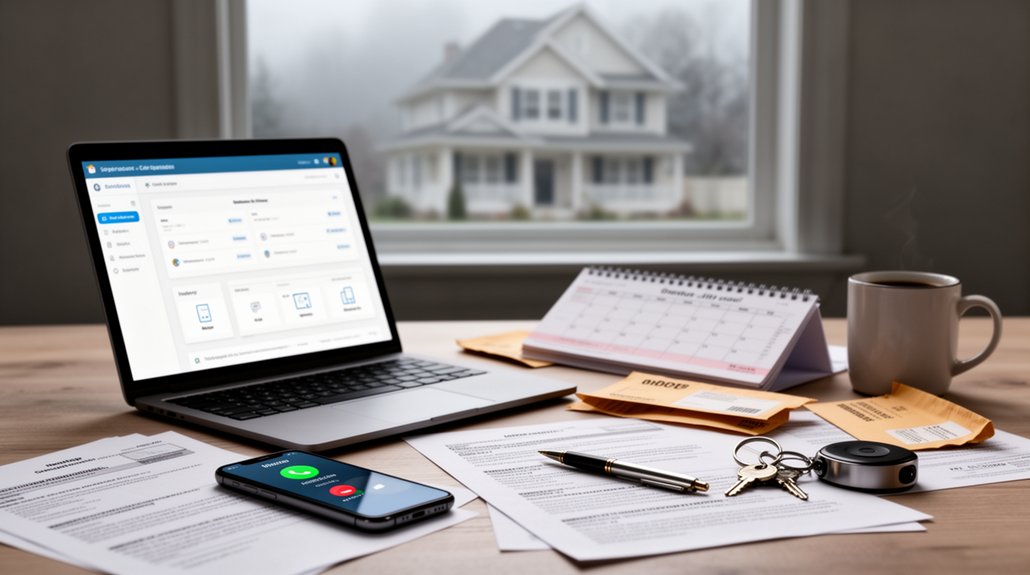
You’re watching a midnight storm roll in on a doorbell cam, and the tenant’s message says the ceiling just started dripping. If you manage rentals from afar, you can’t rely on luck or “good people” to keep things stable—you need tight systems for screening, pricing, maintenance, documentation, and response times. Most remote-landlord losses come from small gaps that compound fast, and the next one is usually avoidable if you set it up right…
Key Takeaways
- Relying on scattered texts and emails creates chaos; use a portal, ticketing, and standardized workflows to centralize documentation and accountability.
- Hiring vendors without vetting causes delays and overcharges; test with small jobs, track performance metrics, and keep backup vendors pre-approved.
- Screening tenants loosely invites nonpayment and damage; verify identity, income, credit, evictions, and prior landlords before approving any applicant.
- Pricing rent by guesswork increases vacancy or loses income; use local comps, $/sq-ft data, seasonality, and days-on-market to set rent.
- Ignoring local compliance and deposit rules risks lawsuits; follow fair housing, required disclosures, notice periods, and security-deposit handling timelines.
Remote Landlord Setup: Apps, Portals, and Procedures

If you’re going to manage a rental from a distance, you can’t rely on scattered texts, email threads, and “I’ll remember later” processes. You need one operating system: a landlord portal for payments, a maintenance ticketing tool, and shared cloud storage for leases, photos, and invoices. Choose Property technology that time-stamps requests, tracks vendor quotes, and logs every message in one thread.
Set procedures before your first vacancy: standard templates for notices, a defined escalation path for emergencies, and a weekly review checklist for rent, tickets, and renewals. Require vendors to submit photos and close-out notes through the same app. Keep Tenant screening workflow integrated, but focus here on setup: permissions, naming conventions, backups, and audit trails.
Screen Tenants Like You Live Next Door
Even when you’re hundreds of miles away, you still need to screen tenants with the same skepticism and discipline you’d use standing on the front porch. Set written criteria and apply them consistently to avoid fair-housing missteps. Run full Tenant screening: identity verification, credit, criminal where legal, eviction history, and income at least 3x rent. Verify employment directly, not through applicant-provided numbers, and confirm pay stubs match deposits. Call prior landlords and ask whether they’d re-rent, how notices were handled, and if any balances remain. Require a complete application from every adult and collect holding deposits with clear, signed terms. Don’t waive standards because someone “sounds nice” on video. Strong screening makes Lease enforcement easier, because you’re starting with people who follow rules.
Use Local Comps to Price Rent Correctly
Because you can’t “feel” a neighborhood from across the country, you need local comps to set rent with data, not guesswork. Bad rent pricing costs you twice: overprice and you sit vacant; underprice and you bleed income. Pull comps within 0.5–1 mile, matched by beds/baths, square footage, parking, and renovation level, then adjust for differences. Use closed leases when possible, not just optimistic listings, and refresh monthly in fast-moving markets. Focus on net rent after concessions, not headline numbers.
- Compare 5–10 recent rentals, not one “favorite” comp.
- Adjust $/sq ft, then sanity-check against total rent.
- Note seasonality and days-on-market to gauge demand.
- Re-test rent after each turnover with updated local comps.
Know City and State Landlord-Tenant Laws
While you can outsource showings and maintenance, you can’t outsource legal responsibility, so you need to know the landlord-tenant rules in your city and state before you advertise, screen, or sign a lease. Start with licensing, registration, and local inspection requirements, plus any rent control or “just-cause” rules. Use compliant screening criteria, follow fair housing, and document adverse-action notices when you deny applicants. Put required disclosures in your lease (lead-based paint, mold, bedbugs, utility allocation) and confirm security-deposit caps, storage rules, and refund deadlines. Learn notice periods and service methods for entry, cure-or-quit, and nonrenewal so you don’t botch an eviction. Legal compliance protects your cash flow, and respecting Tenant rights reduces disputes, fines, and forced lease cancellations.
Prevent Communication Gaps With Set Response Times
Set clear response-time standards for every channel—maintenance emergencies within 1 hour, routine requests within 24 hours, and lease or billing questions within 48 hours—so tenants and vendors know what to expect. You’ll prevent missed handoffs by routing all messages through communication tracking tools (a shared inbox, ticketing system, or property management platform) that time-stamp, assign, and escalate requests. When you enforce these expectations consistently, you’ll close communication gaps before they turn into complaints or compliance issues.
Define Response Time Standards
Even if you manage your rentals from across the country, you can’t let messages sit unanswered without inviting frustration and avoidable escalation. Set clear response standards so tenants, vendors, and your property manager know what “on time” means, and you’ll protect communication timeliness even when you’re offline. Put expectations in writing, repeat them at move-in, and enforce them consistently.
- Emergency issues (fire, gas smell, active leak): acknowledge within 15 minutes; initiate action immediately.
- Urgent habitability issues (no heat, no water): respond within 1 hour; schedule service within 4 hours.
- Routine maintenance (drip, appliance glitch): respond same day; provide a date within 24 hours.
- Administrative requests (leases, receipts): respond within 24 hours; resolve within 72 hours.
Use Communication Tracking Tools
Because remote management leaves you blind between check-ins, you need a communication tracking tool that timestamps every request, assigns an owner, and shows whether you’ve met your response-time standards. Use a shared inbox, ticketing system, or property management platform that captures calls, texts, emails, and portal messages in one place. Require every issue to become a ticket with category, priority, due-by time, and next step. Set auto-reminders and escalation rules so nothing stalls when a vendor or manager goes quiet. Keep digital documentation attached: photos, invoices, lease clauses, and approval notes. Review communication logs weekly to spot repeat problems, missed deadlines, and tenants who need clearer instructions. When you track responses, you prevent gaps, protect your reputation, and defend decisions if disputes arise later.
Use a State-Specific Lease and Addenda
While it’s tempting to reuse the same lease for every property you own, you’ll protect yourself far better by using a state-specific lease and the right addenda for that jurisdiction. Landlord-tenant statutes, notice periods, fee limits, and required disclosures vary, and a generic form can make clauses unenforceable. Treat lease customization as risk control, not paperwork, and confirm addenda compliance before move-in.
- Match notice and cure periods to state law and local ordinances
- Attach required disclosures (lead-based paint, mold, bedbugs, radon, HOA rules)
- Define fees, deposits, late charges, and grace periods within statutory caps
- Add property-specific addenda: pets, smoking, parking, utilities, entry, and maintenance duties
Have counsel or a state-approved template review updates annually.
Build a Vendor Bench (Don’t Rely on One)
If you’re managing a rental from afar, you can’t afford to rely on one contractor when a repair turns urgent. Vet multiple local pros in each trade, lock in backup vendor agreements, and confirm response times, licensing, and insurance upfront. Then track each vendor’s performance and pricing job-by-job so you can choose fast, fair help without scrambling.
Vet Multiple Local Pros
Two things will save your sanity as a remote landlord: a vetted bench of local pros and a process for rotating them. Don’t hire the first name you get; you’ll overpay, wait longer, and accept sloppy work. Vet at least three options per trade so you can compare pricing, response times, and communication styles. Prioritize Local expertise—someone who knows your city’s permit office, common building quirks, and reliable supply houses. Tie vendors into your Tenant screening workflow by verifying they can handle lock changes, safety checks, and quick turns without cutting corners.
- Check license, insurance, and complaint history.
- Request three local references and call them.
- Require written estimates with scope and photos.
- Test responsiveness with a small, paid job first.
Set Backup Vendor Agreements
Because your primary contractor will eventually get booked out, go silent, or raise prices, you need backup vendor agreements in place before the first emergency hits. Build a bench: at minimum, line up a plumber, electrician, HVAC tech, handyman, and locksmith who’ll take your calls without a long onboarding delay. Put your Backup agreements in writing: scope they’ll handle, service area, response windows, after-hours availability, and how they’ll access the unit (lockbox code protocol, tenant notice rules). Use contingency planning to pre-authorize dollar limits for urgent repairs so work can start while you’re in a meeting or asleep. Share photos, appliance models, and utility shutoffs in a single folder, and confirm they’ll coordinate with your property manager or tenants directly.
Track Performance And Pricing
Even when a vendor’s done solid work for you, you can’t afford to fly blind on speed or cost, so track performance and pricing like a portfolio. If you don’t, you’ll overpay, accept slow turnarounds, and get stuck when they’re booked. Build a vendor bench by comparing Performance metrics and Pricing strategies across multiple pros, then reward consistency with more jobs.
- Define metrics: response time, on-site ETA, completion time, callback rate.
- Standardize quotes: itemized labor/materials, trip fees, warranties, photos.
- Benchmark pricing: track averages by job type, season, zip code, and unit size.
- Review monthly: rank vendors, renegotiate rates, and rotate work to prevent complacency and keep leverage.
Schedule Move-In, Quarterly, and Annual Inspections
If you manage a rental from afar, you can’t afford to rely on “call me if something’s wrong” maintenance. Lock in a repeatable inspection calendar and treat it like rent due dates. Start with Tenant screening that verifies prior inspection history, cleanliness, and rule compliance, then confirm Move in scheduling with a documented condition baseline.
At move-in, require time-stamped photos, a video walk-through, meter readings, and a signed checklist. Schedule quarterly exterior and safety checks (roofline, gutters, HVAC filters, leaks, smoke/CO alarms) and annual full interior reviews. Give proper notice, use the same checklist every time, and compare findings to the move-in baseline. Document repairs needed, track lease violations, and adjust renewal terms based on verified condition.
Run a Fast Maintenance Workflow From Afar
When you manage a rental remotely, maintenance requests can snowball fast unless you run a tight, repeatable workflow. Set expectations during Tenant screening: tenants must report issues immediately, use your portal, and allow access within defined windows. Then execute a simple system that prevents delays and disputes while supporting lease enforcement.
- Centralize requests: one form, required photos/videos, and a severity dropdown.
- Triage in 30 minutes: classify emergency vs. routine, send a timestamped response, and set the next update time.
- Dispatch vetted vendors: pre-approved trades, written scopes, not-to-exceed pricing, and ETA confirmation to the tenant.
- Close the loop: collect completion photos, tenant sign-off, warranty notes, and update your maintenance log.
You’ll reduce repeat calls, protect the unit, and keep documentation audit-ready.
Separate Accounts for Rent, Deposits, and Repairs
Keep your money clean by using a dedicated rent collection account, so income and operating cash don’t get mixed with personal spending. Hold security deposits in segregated funds that match your state’s rules, and track each tenant’s balance separately. Maintain a repairs-and-maintenance reserve account, so emergencies don’t force late vendor payments or risky transfers from rent and deposits.
Dedicated Rent Collection Account
Although you’re managing from afar, you still need clean, auditable money flows, so set up a dedicated rent collection account and separate accounts for security deposits and repair reserves. A Dedicated rent Collection account keeps rent receipts isolated from your personal spending, reduces bookkeeping errors, and makes year-end reporting faster. Route all tenant payments and owner draws through it, then pay vendors from the repair reserve so you don’t blur operating cash with project costs. Tight controls also help you spot late or partial payments quickly and reconcile statements in minutes.
- Open a bank account labeled “Rent Operating”
- Enable ACH and autopay links for tenants
- Reconcile weekly; match each deposit to a lease ledger
- Set alerts for failed payments and low balances
Segregated Security Deposit Funds
A dedicated rent operating account solves half the remote-management puzzle; the other half is treating security deposits and repair money as funds with different legal and accounting rules. Don’t let deposits mingle with rent or owner draws, even briefly, or you risk commingling claims, failed audits, and penalties in many states.
Open a separate trust/escrow account for Segregated deposits, titled to the property or business as required, and document who holds it (you or your manager). Record each tenant’s balance in a ledger, note required interest, and issue required disclosures and receipts. Reconcile monthly: bank balance must equal the total of all tenant sub-ledgers, not “close enough.” When you return or apply a deposit, follow statutory timelines and itemization rules so security funds stay defensible.
Repairs And Maintenance Reserve
When you manage rentals from a distance, you need a dedicated repairs-and-maintenance reserve account so urgent fixes don’t force you to dip into security deposits or delay vendor payments. Keep rent, deposits, and repairs in separate accounts to protect compliance, cash flow, and clean bookkeeping.
- Fund a baseline reserve (at least one month’s rent per unit) and rebuild it monthly.
- Define approval limits with your property manager so small repairs don’t stall.
- Document vendors, access instructions, and after-hours contacts for Emergency preparedness.
- Standardize tenant communication: confirm receipt, give timelines, and close the loop with photos and invoices.
You’ll pay vendors faster, reduce disputes, and prevent “borrowing” from restricted funds. Treat the reserve like insurance: available, liquid, and tracked.
Insurance Remote Landlords Actually Need
Since you can’t drive by the property to spot problems early, you need insurance that covers the risks you’re most likely to miss—tenant-related damage, liability claims, loss of rent after a covered event, and gaps created by vacancies or short-term stays. Start with landlord (dwelling) coverage, not a homeowner policy, and add liability limits that match your asset exposure. Require tenants to carry renters insurance and list you as an interested party. Buy loss-of-rents coverage with a realistic restoration window and confirm it triggers for covered perils, not maintenance issues. Review Coverage limitations closely: water backup, sewer, mold, wear-and-tear, theft, and vandalism during vacancy often have exclusions or short time caps. These are Insurance essentials for remote ownership. Document upgrades and keep receipts to support claims.
When Hiring a Property Manager Pays Off
Although you can self-manage from afar with good systems, hiring a property manager pays off the moment distance starts creating blind spots—slow response times, inconsistent vendor work, missed lease violations, or longer vacancies. You’ll protect cash flow and reduce legal exposure because a good manager executes fast, documents everything, and stays on-site when you can’t.
- Tenant screening: They verify income, run credit/background, and spot fake paystubs before you inherit a problem.
- Lease enforcement: They issue cure-or-quit notices, track violations, and keep consistent standards that tenants respect.
- Maintenance control: They triage emergencies, use vetted vendors, and confirm work quality with photos and invoices.
- Vacancy reduction: They price to market, market aggressively, and schedule showings daily, not “when you’re free.”
Frequently Asked Questions
How Do I Handle Evictions When I Live in Another State?
You handle out-of-state evictions by hiring a local attorney and property manager, following local notice rules, and documenting everything. You keep tenant communication clear, coordinate court appearances remotely, and schedule property maintenance immediately after possession.
Should I Form an LLC Before Buying an Out-Of-State Rental?
Form an LLC if you’re building a shield, not a mirage. You’ll separate liability and ease partnerships, but still need solid Property insurance, comply with Local property laws, and secure lender, tax, and banking setup.
What’s the Best Way to Manage Taxes for Remote Rental Income?
Track every income/expense monthly, separate accounts, and use cloud bookkeeping; pay estimated taxes, keep depreciation schedules, and hire a CPA. Deduct Property maintenance costs, document tenant screening fees, and file nonresident state returns.
How Do I Verify a Tenant’s Identity to Prevent Application Fraud?
Trust, but verify: you prevent application fraud by running tenant screening with strict identity verification. You should match government ID to selfie, cross-check SSN, run credit/background, and confirm employment and prior addresses independently.
When Should I Refinance a Remote Rental Property to Improve Cash Flow?
You should refinance when interest rates drop enough to cut your payment, your equity buildup supports a better loan-to-value, and you’ll hold long enough to recoup closing costs while boosting monthly cash flow.
Conclusion
Managing from miles away can still feel hands-on when you build the right machine. Picture your rental like a cockpit: apps and portals as your gauges, screening as your preflight checklist, local comps as your altimeter, and state laws as your flight plan. You’ll answer within set windows, route repairs through a tight workflow, and keep rent, deposits, and repairs in separate accounts. With proper insurance—and a manager when needed—you’ll land smoothly, every time.
About the Author