

If you manage rentals, you can’t wait for a complaint to turn into a pattern. You screen applicants carefully, set clear house rules, and schedule routine inspections so issues surface early. You offer simple reporting channels, respond within defined timelines, and document every step with neutral language. You coordinate maintenance fast and use calm, direct language to reduce conflict. Then you face the hard question: when do you enforce the lease—formally?
Key Takeaways
- Triage complaints by risk and urgency, acknowledging safety issues immediately and setting clear response timelines for all other requests.
- Document every incident neutrally with dates, times, parties, evidence, and actions taken to prevent disputes and support enforcement.
- Communicate separately with involved tenants, restate concerns objectively, and set respectful expectations before arranging structured mediation if needed.
- Use proactive inspections and scheduled maintenance to fix habitability threats early, with transparent updates and documented access attempts.
- Prevent recurring conflicts through consistent screening, clear written house rules, and uniform enforcement of pets, smoking, noise, parking, and common-area policies.
The Tenant Issues Most Likely to Escalate
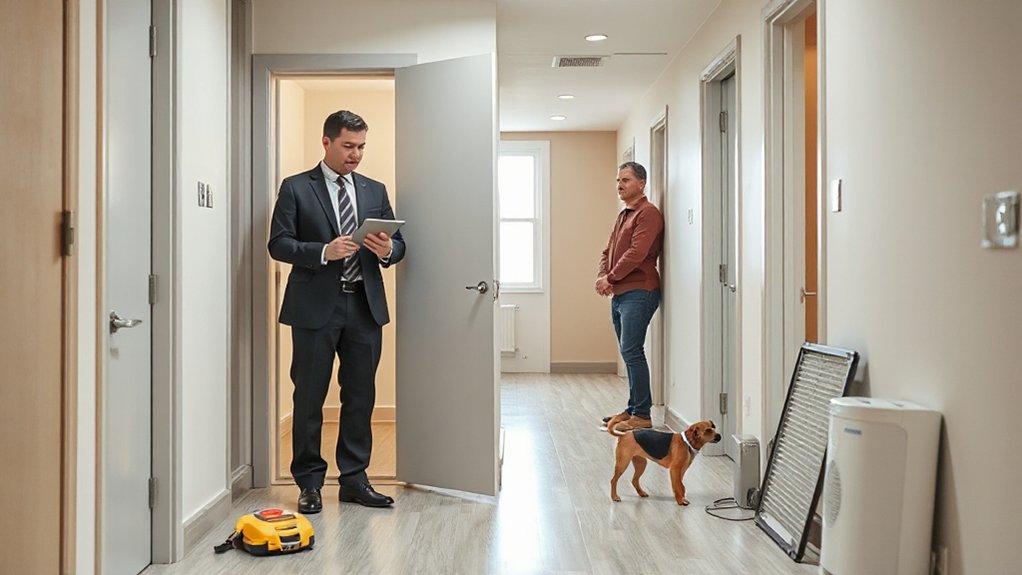
Although many tenant concerns start small, a few categories predictably escalate when you don’t address them quickly and consistently. Maintenance delays around water intrusion, HVAC failures, pests, or electrical safety quickly become habitability disputes and rent-withholding threats. Noise, smoking, pets, and parking conflicts intensify when you don’t document reports, set expectations, and follow up with clear Tenant communication. Payment issues also escalate: late fees, partial payments, and repeated shortfalls turn into arrears, notices, and possible eviction timelines. Unauthorized occupants, subletting, and prohibited alterations compound risk because they affect liability, insurance, and wear. Finally, rule violations tied to common areas—trash, storage, and security access—spread when others see no response. You contain these by prompt triage, written records, and consistent lease enforcement without exceptions.
Prevention Systems Property Managers Set Up Early
You prevent many tenant issues from escalating when you set up standardized screening protocols that verify income, rental history, and conduct criteria before approval. You also reduce conflict by running a proactive maintenance schedule with documented inspections, prioritized work orders, and clear service timelines. When you apply these systems early and consistently, you create predictable expectations and fewer surprises for tenants and owners.
Standardized Screening Protocols
Before a lease gets signed, standardized screening protocols let you prevent most tenant issues instead of managing them later. You apply consistent Tenant screening criteria across every applicant: identity verification, income-to-rent ratios, credit history, eviction and criminal checks where lawful, and prior landlord references. You document results, use objective pass/fail thresholds, and comply with Fair Housing and adverse action notice requirements.
You also align screening with lease enforcement by confirming applicants can meet key obligations: on-time payments, occupancy limits, pet policies, and conduct standards. You require complete applications, verify supporting documents, and keep an audit-ready file. When you follow the same workflow every time, you reduce bias, reject high-risk applicants early, and create clear expectations that minimize disputes after move-in and preserve operational consistency across your portfolio.
Proactive Maintenance Schedules
By setting recurring inspections and service intervals from day one, proactive maintenance schedules stop minor wear from turning into tenant complaints, safety hazards, or costly emergency calls. You calendar HVAC tune-ups, gutter cleaning, pest prevention, and plumbing checks, then document each visit with photos, invoices, and notes for a defensible maintenance record. You also standardize unit walkthroughs at turnover and mid-lease, flagging trip hazards, leaks, and code issues before they worsen. Strong tenant communication keeps access coordinated: you send written notices, confirm appointment windows, and explain what’s being serviced and why. When you pair schedules with lease enforcement, you address blocked vents, unauthorized appliances, or neglected filter changes promptly and consistently. The result is fewer disputes, faster repairs, and predictable budgets.
House Rules That Reduce Repeat Complaints
Although most tenant complaints start as small annoyances, clear house rules stop them from recurring and turning into chronic disputes. You set expectations in writing, review them at move-in, and enforce them consistently, so residents feel protected rather than targeted. Your pet policy should define breeds, weight limits, registration, waste cleanup, noise, and damage fees. Your smoking regulations must specify where smoking is prohibited, ventilation requirements, and remediation charges for odor transfer. Add measurable standards for quiet hours, guest limits, parking, and shared-area cleanliness, and you’ll prevent the “same problem, new week” cycle.
- Quiet hours posted and enforced, so sleep isn’t stolen.
- Trash and balcony rules, so pests don’t spread.
- Parking assignments, so tempers don’t flare nightly.
- Shared-laundry etiquette, so resentment doesn’t simmer.
How Property Managers Triage Complaints (Channels + Timelines)

Clear house rules reduce repeat friction, but you still need a triage system for the complaints that come in. You set approved channels: portal for routine requests, email for written follow-ups, phone for urgent issues, and after-hours line for true emergencies. You publish response windows so tenants know what to expect and Tenant communication stays consistent.
You sort by risk and time sensitivity. Safety, water intrusion, power loss, and lockouts get immediate acknowledgment and action within 1 hour, with on-site dispatch as needed. Noise, parking, and neighbor conflicts get acknowledgment within 1 business day and resolution steps within 3–5 days. Maintenance nuisances get acknowledgment within 2 business days and scheduling within 7 days. You use clear thresholds to prevent Complaint escalation and keep cases moving.
What to Document: and How to Do It Fairly
You should document every incident with the date, time, location, people involved, the exact complaint, actions taken, and any photos, notices, or messages. You’ll keep the record fair by using neutral, factual language—quote tenants when possible and separate observations from conclusions. You’ll also prevent gaps and bias by following the same recordkeeping procedure every time, using consistent forms, naming conventions, and storage rules.
Essential Incident Documentation
When should you start documenting a tenant issue—after it turns into a dispute, or the moment it first appears? Start immediately, and build a file that supports consistent Tenant communication and firm Lease enforcement. Record dates, times, locations, and who reported what. Save emails, texts, call logs, notices served, and maintenance tickets. Photograph damage, post-cleaning conditions, or safety hazards, and note where images were taken. Keep copies of invoices, vendor reports, and access attempts, including any missed appointments. Track policy reminders and deadlines you’ve given, plus whether the tenant complied. Organize everything chronologically so you can act fast without second-guessing yourself.
- Missed payments that trigger stress and uncertainty
- Noise patterns that rob neighbors of sleep
- Unauthorized occupants that raise liability fears
- Safety complaints that demand urgent action
Neutral Language And Facts
Even if a tenant issue feels personal, treat your records like evidence and stick to neutral language and verifiable facts. Record dates, times, locations, and who was present, then quote exact statements in tenant communication rather than paraphrasing motives. Describe observable conditions: “trash bags in hallway,” “music audible in unit 3B at 11:20 p.m.,” or “lease ledger shows $850 unpaid as of May 10” for rent collection. Attach supporting materials when available, such as photos, screenshots, or contractor notes, and label them with the same event date. Note actions you took and responses you received, including deadlines given and whether access was granted or refused. Avoid adjectives like “hostile” or “lazy”; document behavior, not character.
Consistent Recordkeeping Procedures
Although neutral language protects you in the moment, consistent recordkeeping procedures protect you over time by ensuring every tenant issue gets documented the same way, regardless of who’s involved. Document facts, dates, times, who reported what, and the exact policy or lease clause implicated. Save all Tenant communication—emails, texts, call logs, notices—so you can show a clear, unbiased timeline. For fairness, use one template, log issues within 24 hours, and attach objective evidence (photos, invoices, inspection notes). When Lease enforcement becomes necessary, your file should speak for you.
- Record requests so residents feel heard, not ignored.
- Log access notices to reduce anxiety and suspicion.
- Track violations consistently to prevent claims of favoritism.
- File resolutions to restore trust and calm quickly.
De-Escalation Tactics for Neighbor-to-Neighbor Conflict

Because neighbor disputes can spiral quickly from minor annoyances into lease violations or safety risks, you need a de-escalation approach that lowers tension without taking sides. Start by contacting each tenant separately, confirm you’ve heard their concern, and set expectations for respectful communication.
Then use Mediation techniques in a controlled meeting: establish ground rules, limit interruptions, and focus on observable behaviors, not character judgments. Ask each party to propose one workable change, and document agreed steps and timelines. Add Empathy exercises to reduce defensiveness: have each tenant restate the other’s issue in neutral terms and confirm accuracy before responding. Keep your language factual, reference relevant lease clauses, and offer clear consequences for continued misconduct. Follow up within 48 hours to verify compliance and adjust boundaries if needed.
Coordinating Maintenance Fast to Stop Bigger Problems
When you coordinate maintenance quickly, you stop small defects—like a slow leak, loose handrail, or failing smoke alarm—from turning into property damage, habitability claims, or safety incidents. You log the request, triage urgency, and dispatch a qualified vendor with clear scope, access notes, and photos. Strong Tenant communication keeps residents calm and cooperative: you confirm receipt, provide ETA windows, and share completion updates. You also tie the work to Lease enforcement by documenting tenant-caused damage, reminding occupants of care standards, and setting clear expectations for entry and cleanliness. Fast follow-up protects your asset and your reputation by preventing:
- Anxiety when silence feels like neglect.
- Anger when repairs disrupt routines.
- Fear when safety items fail.
- Distrust when timelines slip.
When Property Managers Enforce Leases or Go Legal
Before a lease dispute hardens into a standoff, you need a clear enforcement path that’s consistent, well-documented, and legally compliant. Start by confirming the specific clause violated, the cure period, and the notices required. You’ll log dates, photos, messages, and prior warnings so your file supports Lease enforcement without gaps.
Next, you issue written notices exactly as your jurisdiction requires, using approved delivery methods and retaining proof of service. If the tenant doesn’t cure, you escalate to formal legal procedures: consult counsel, file the correct action, and avoid self-help remedies such as lockouts or utility shutoffs. You’ll continue accepting permitted payments, track accounting precisely, and communicate neutrally. When you reach court, your organized timeline, compliant notices, and consistent policy application protect your position and reduce settlement risk.
Frequently Asked Questions
Do Property Managers Charge Extra Fees for Handling Tenant Disputes?
Yes, you might pay extra fees, depending on your contract. Review rental agreements for dispute-resolution charges, and confirm whether mediation, legal coordination, and follow-up on maintenance requests fall within base management or incur hourly rates.
Can Tenants Request a Different Property Manager for Sensitive Issues?
Yes, you can request a different property manager for sensitive issues, but approval depends on the owner or company policy. You should cite tenant privacy concerns and expect manager transparency about alternatives, timelines, and contacts.
How Do Property Managers Handle Language Barriers With Tenants?
You handle language barriers by using multilingual communication tools, interpreters, and translated notices. You confirm understanding in writing, keep plain-language records, and apply cultural sensitivity during meetings, ensuring tenants can report issues confidently and promptly.
Are Tenant Complaints Kept Confidential From Other Residents?
Yes, you can expect tenant complaints to stay confidential from other residents under confidentiality policies. You’ll see details shared only on a need-to-know basis, addressing privacy concerns while enabling investigation, documentation, and corrective action.
What Happens if a Tenant Reports an Issue Anonymously?
Like a whisper in a hallway, Anonymous reporting triggers action: you’ll receive limited follow-up, and managers investigate using facts, logs, and inspections. For dispute resolution, you won’t be named, but evidence may narrow sources.
Conclusion
You keep small sparks from becoming a four-alarm blaze by setting expectations early, listening fast, and acting with steady hands. You screen carefully, post clear house rules, and inspect on schedule, so trouble shows itself while it’s still a “minor inconvenience.” You triage complaints through defined channels and timelines, document neutrally, and follow up in writing. You cool neighbor friction with calm wording, and you dispatch maintenance before leaks “find new pathways.” When needed, you enforce the lease with quiet firmness.
About the Author