

You’ll find Scotland’s best affordable coastal second homes in rail-linked resorts and hardworking harbour towns where you can still buy solid roofs, dry walls, and walkable seafronts without paying premium-promenade prices. Start with Ayr for easy Glasgow trains, Girvan for marina-side value, Campbeltown for bigger sandstone houses, and Arbroath for clifftop paths and compact terraces. For the lowest entry points, target Banff & Macduff or Buckie on the Moray Firth. Next, you’ll see what to check before you commit.
Key Takeaways
- Best-value coastal picks include Girvan, Port Glasgow, Dunoon, Rothesay, and Stranraer for low entry prices and steady demand.
- Ayr and Arbroath offer walkable seafronts, amenities, and strong rail links, boosting weekend usability and short-let appeal.
- Campbeltown, Montrose, Banff and Macduff, and Buckie provide larger traditional homes and harbour life at typically lower price points.
- Prioritise properties with sound roofs, dry walls, efficient heating, and good glazing to minimise salt-wind maintenance and running costs.
- Choose locations near train stations, ferry piers, marinas, and coastal paths to improve convenience, resale prospects, and lettability.
What Counts as an Affordable Scottish Coastal Second Home
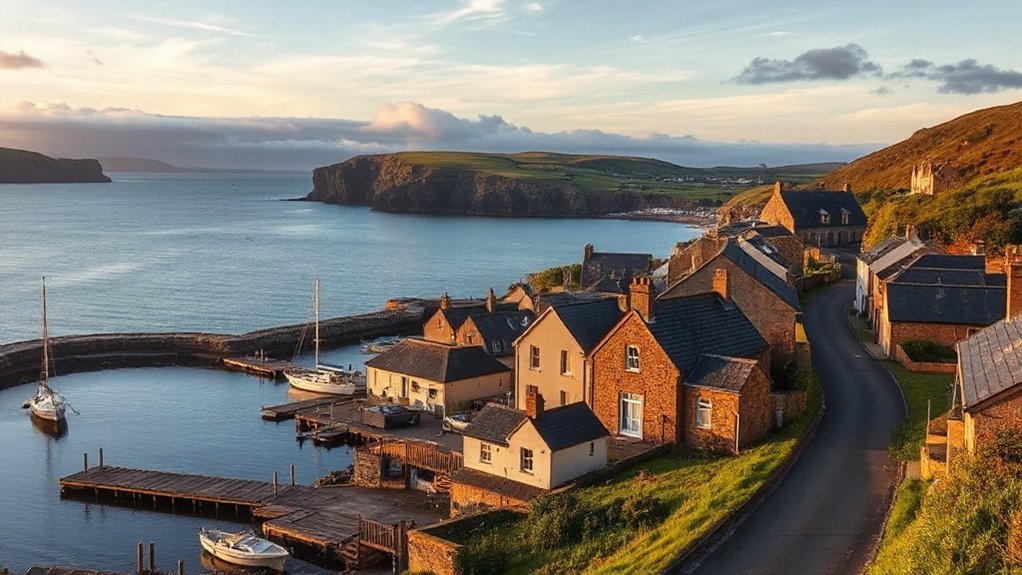
While “affordable” means different things depending on your budget and borrowing power, an affordable Scottish coastal second home typically sits below local-market price bands, offers manageable year-round running costs, and doesn’t require a full-scale renovation to feel design-forward. You’ll prioritise sound roofs, dry walls, efficient heating, and sensible service charges, because hidden maintenance kills value faster than purchase price.
You’re looking for a layout that lets you arrive Friday night and live well: an open kitchen for local cuisine, durable floors for sandy boots, and flexible guest space that can also rent. Check broadband, parking, flood risk, and short-let rules so your numbers stack up. Choose towns where cultural festivals extend the season, supporting occupancy and resale demand without relying on peak-summer weeks alone.
Cheapest Coastal Towns in Scotland: Price Bands First
Start by sorting Scotland’s coastal market into clear price bands, so you can match your budget to the right shoreline without compromising on character or finish. You’ll see which towns consistently sit at the entry level, which hover in the mid-market sweet spot, and where value shows up through renovation potential rather than headline price. From there, you can shortlist the cheapest coastal towns within each band and shop with sharper expectations on space, views, and walkability.
Coastal Price Bands Overview
Because coastal prices in Scotland swing sharply from one harbour to the next, you’ll get the most value by using clear price bands before you fall for a sea view. Bands let you compare like-for-like: walkable waterfronts, amenity density, rental demand, and resale liquidity, without getting distracted by postcard charm. They also help you budget beyond the headline figure, especially coastal property taxes and insurance.
Use three practical tiers to frame your search and your design brief:
- Entry band: smaller flats, ex-council stock, basic marinas; expect tighter layouts and higher renovation considerations.
- Mid band: traditional stone cottages, better transport links, balanced yields and lifestyle appeal.
- Premium band: prime promenades, conservation zones, stronger competition and stricter planning.
Cheapest Towns By Band
Price bands give you the framework; now you can pinpoint the coastal towns that actually sit at the bottom of each tier and match them to a realistic design scope. In the entry band, look to Girvan or Port Glasgow for small semis and flats where you’ll prioritise insulation, fresh joinery, and hard-wearing coastal finishes.
In the value band, Campbeltown and Stranraer often undercut nearby hotspots, so you can budget for a kitchen refresh, wet-room upgrade, and smarter storage without overcapitalising. Step into the mid band with Stonehaven or North Berwick only if you’ll buy compact and redesign layout efficiency—open-plan where possible, built-ins, and durable flooring. Across all bands, check local amenities for year-round livability and gauge community spirit for hassle-free letting potential.
Ayr: Affordable Second Homes With Rail Links
If you want a coastal base that still feels connected, Ayr delivers standout value for second-home buyers thanks to its direct rail links to Glasgow. You’ll get a walkable seafront, a proper town centre, and a buyer’s market where smart refurbishments still add real upside.
- Target sandstone terraces near the station for period detail, generous proportions, and strong weekend-let appeal.
- Choose modern apartments by the beach if you want low-maintenance ownership and clean, contemporary finishes.
- Prioritise south-facing rooms and sheltered balconies to maximise light and extend shoulder-season use.
On arrival, you can skip the car, head straight to Seaside cafes, and time stays around Coastal festivals for dependable demand. With sensible pricing, Ayr lets you buy well and use it more.
Girvan: Marina-Side Value and Quieter Streets
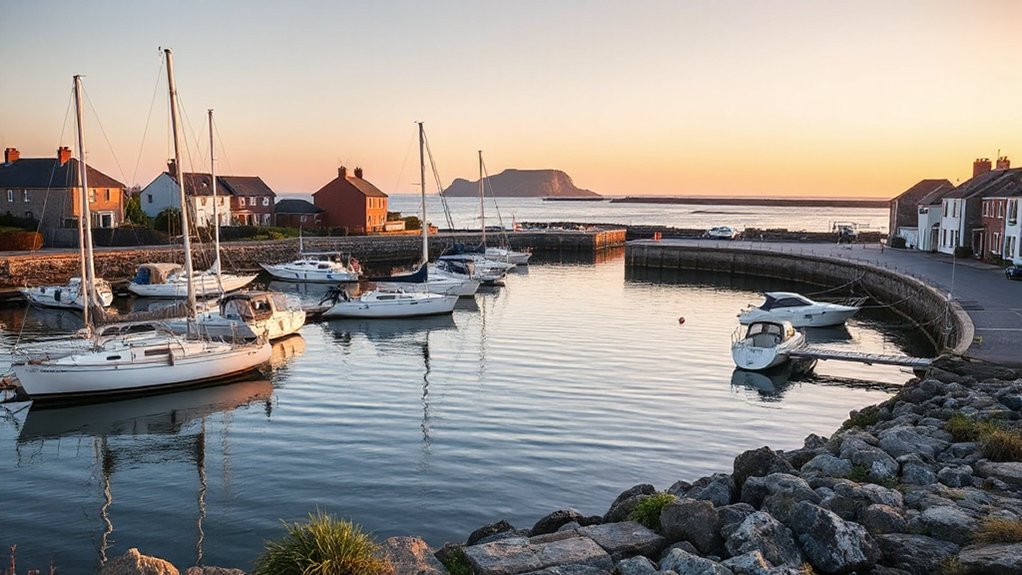
In Girvan, you can target marina-adjacent homes that often price more accessibly than bigger resort towns, while still buying into a smart waterside lifestyle. You’ll get quieter streets and a calmer seafront cadence, ideal for a second home that feels intentionally designed for downtime. If you’re balancing budget with blue-chip views, Girvan’s marina edge gives you strong value without the noise.
Marina-Adjacent Property Prices
A berth-side address in Girvan gives you a rare mix of marina outlooks and achievable second-home budgets, especially compared with Scotland’s better-known harbour towns. Prices near the pontoons typically sit below Ayr and Troon, yet you still buy into credible marina property trends: limited front-line supply, steady holiday demand, and improving local amenity. Target modernised flats or compact terraces where layout efficiency and low-maintenance finishes protect yields and resale.
- Prioritise properties with sheltered aspects and upgraded glazing for year-round comfort.
- Check factoring fees, parking rights, and short-let permissions before you offer.
- Compare sale-to-rent ratios to spot true waterfront investment opportunities.
Negotiate hard on dated interiors; you’ll often release value through lighting, pale timber floors, and storage-led joinery.
Peaceful Seafront Living
While Girvan’s marina draws the headlines, you’ll often get a calmer, more liveable second-home setup by choosing the quieter seafront streets just beyond the pontoons—still close enough for harbour walks, cafés, and boat-day convenience, but far enough to avoid peak-season bustle and parking pinch points. Here, Seaside tranquility feels designed-in: wider sightlines, less transient footfall, and a steadier soundscape that makes weekends genuinely restorative. Target homes with south- or west-facing front rooms, slimline glazing, and sheltered thresholds to handle salt air without losing light. You’ll also find better scope for tidy outdoor zones—small decks, windbreak planting, or bike storage—without marina crowds. This is Coastal serenity with resale logic: livable all year, rentable in summer, and easy to lock-and-leave.
Campbeltown: Bigger Homes for the Money
If you want more square footage without coastal premiums, Campbeltown delivers some of Scotland’s best value for a second home. You’ll find Affordable housing options that feel properly livable: generous plots, thicker walls, and period proportions that suit modern layouts without costly extensions. In today’s property market, that translates into better price-per-metre and more flexibility for upgrades that add resale pull.
- Target traditional sandstone villas for high ceilings, bay windows, and easy zoning for guests.
- Consider 1930s–60s houses for bigger gardens and straightforward retrofit potential.
- Prioritise sea-view streets near the waterfront for strong holiday appeal without inflated tags.
Design-wise, you can lean into coastal palettes, durable flooring, and built-in storage, then let space do the selling.
Dunoon: Easy Glasgow Access for a Second Home
In Dunoon, you get coastal living that still keeps Glasgow within easy reach via frequent ferry crossings and rail connections. You’ll find budget-friendly property options that suit a smart second-home brief, from compact flats to characterful cottages with sea views. If you want weekend access without a long drive, Dunoon lets you buy on the water and stay connected.
Ferry And Rail Links
How do you get a coastal bolthole without sacrificing city access? In Dunoon, you’ll plug into Glasgow with a clean, commuter-smart chain: a short hop over the Clyde, then fast rail onward. Your weekends stay fluid because ferry schedules run frequently, and you can time departures around meetings, gigs, or late trains without feeling stranded.
Design your travel routine around three friction-free moves:
- Walk or drive to the town centre pier, with clear signage and sheltered waiting areas.
- Cross to Gourock, then step straight toward rail station accessibility that keeps transfers tight and predictable.
- Ride the train into Glasgow Central for shopping, culture, and airport connections, then reverse the route with minimal planning.
It’s coastal calm, city reach, and low logistical drag.
Budget-Friendly Property Options
Those reliable ferry-and-rail connections make Dunoon feel like an easy extension of Glasgow, so you can focus on what your budget actually buys by the coast. You’ll typically find sharper value in compact Victorian flats, tidy ex-council semis, and sandstone terraces ready for light cosmetic upgrades. Prioritise good bones: roof, windows, heating, and damp history—then spend on design wins like pale timber floors, slimline radiators, and built-in storage that makes small rooms feel intentional. Look for buildings with Historical significance where original cornicing or bay windows add character without the price premium of bigger hubs. If you want Luxury amenities, target newer waterfront blocks offering parking, lifts, and balconies, but negotiate hard on service charges and lease terms.
Coastal Living Near Glasgow
Why choose between city convenience and sea air when Dunoon puts both within easy reach of Glasgow? You’ll commute smartly via train-and-ferry links, then reset on the Clyde coast with a second home that feels purposeful, not remote. Design-wise, you can find light-filled villas and compact flats ready for coastal palettes, durable flooring, and easy storage for outdoor gear.
- Fast access: Glasgow days out stay simple, so your home works for weekends and midweek escapes.
- Lifestyle value: You’ll plan beach activities—paddleboarding, sea swims, and promenade walks—steps from your door.
- Food scene: You’ll book harbourside tables for local seafood, keeping entertaining effortless and high-impact.
Dunoon lets you buy practicality without sacrificing that seaside feel.
Rothesay (Bute): Classic Seaside Flats for Less
If you want a true Victorian seaside look without the West Coast price tag, Rothesay on the Isle of Bute delivers with rows of classic bay‑window flats, ornate sandstone facades, and promenade views that still come in at sensible second‑home budgets. You’ll find generous proportions, high ceilings, and original cornicing that make even compact plans feel airy—ideal for a design-forward retreat with character. Target well-run tenements near the front for lift access, tidy closes, and strong holiday-let appeal. Spend days on the pier, then switch to Seaside dining along the waterfront without needing a car. When you’re off the promenade, you can spot Coastal wildlife on shoreline walks and in sheltered bays. Ferries keep your weekend logistics simple.
Millport (Cumbrae): Low-Maintenance Island Bolthole
Millport on Great Cumbrae keeps the island appeal you get on Bute, but packages it in a smaller, easier-to-run second home. You’ll find compact cottages and tidy flats that suit lock-and-leave living, with seafront promenades and pastel terraces that photograph well and rent even better. Island accessibility is the clincher: hop over, stock up, and you’re in weekend mode fast. Design-wise, prioritize bright kitchens, durable flooring, and built-in storage to keep maintenance minimal and resale strong.
- Choose a walkable address near the pier and amenities to cut car dependence.
- Specify wipe-clean finishes and coastal-grade fixtures to handle salt air.
- Book tables for local cuisine—seafood, bakeries, and cafés—to make every stay feel curated.
Stranraer: Budget Waterfronts and Ferry Convenience
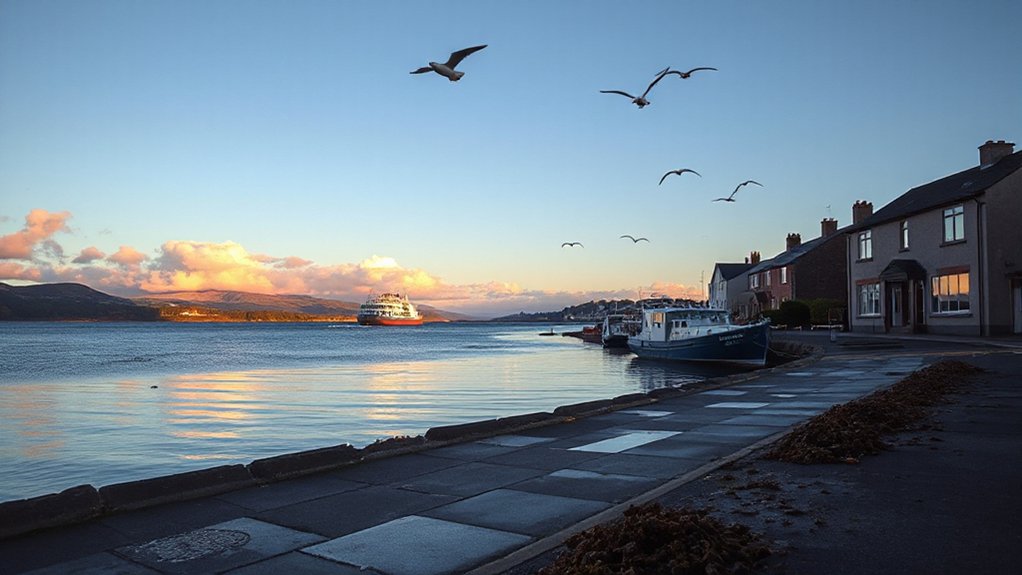
In Stranraer, you can secure budget-friendly waterfront homes that still deliver strong views and clean, modern layouts. You’ll also get ferry access on your doorstep, making weekend switches—and Irish Sea connections—fast and frictionless. If you want value without sacrificing connectivity, Stranraer’s shoreline stock and transport links set a compelling brief.
Affordable Waterfront Property Options
Why pay a premium for a sea view when Stranraer still offers budget-friendly waterfront buys with real-world convenience? You can target harbour-edge flats, compact cottages, and renovation-ready terraces that price below flashier coastal postcodes, yet still deliver daily walkability and strong lettability. Prioritise light, weatherproof finishes, and flexible layouts that suit weekends and longer stays, then add select luxury amenities—sauna pod, boot room, or micro-office—to lift yields without overspending. Keep one eye on property taxation and running costs so the deal stays genuinely affordable. Focus your search on:
- Harbour-front apartments with balcony potential
- Stone cottages needing insulation upgrades
- Terraces near the shoreline with parking and storage
Ferry Links And Connectivity
Two ferry corridors make Stranraer feel like a budget coastal base with big-network reach: you can hop to Northern Ireland for weekend demand and onward links, while still keeping Glasgow and the Central Belt within practical driving range via the A75. That dual access supports smart, lettable layouts: specify durable floors, easy-clean finishes, and lock-up-and-leave storage for fast turnarounds.
You’ll benefit from clear, frequent ferry routes to Belfast and Larne, which widen your guest pool beyond purely Scottish staycations. Track timetable seasonality and design flexible sleeping zones to match shoulder-month traffic. Recent and planned connectivity improvements around the port, roads, and wayfinding also reduce friction for arrivals, helping you price confidently. If you want an affordable second home that trades on movement and convenience, Stranraer delivers.
Stonehaven: Lively Coastal Living (Higher Budgets)
A short hop south of Aberdeen, Stonehaven pairs a vibrant harbour-front vibe with design-forward coastal homes, so you’ll need a higher budget but you’ll get lifestyle in return. You’re buying into a walkable town where contemporary renovations sit comfortably beside granite terraces, and where sea-view plots command a premium for good reason. Expect strong demand for turnkey interiors, insulated upgrades, and low-maintenance gardens that suit weekend use. You’ll also tap into Maritime history and local festivals that keep the high street busy year-round. Prioritise value by targeting:
- Harbour-side flats with modern glazing and efficient heating
- Townhouses with flexible guest space and storage for kit
- New-build edges offering parking, warranties, and coastal light
Montrose: Long Beach Walks and Good-Value Homes
Tucked between the Angus coastline and the Montrose Basin, Montrose gives you that big-sky seaside feel—without the Stonehaven price tag. You’ll get miles of dune-backed beach for daily walks, plus a town centre that’s easy to lock up and leave, making it ideal for a low-fuss second home.
Buyers looking for value should target traditional stone terraces and compact Victorian villas where you can create a clean coastal scheme: warm timber floors, linen textures, and storage for wetsuits and walking gear. Prioritise south-facing gardens and off-street parking to futureproof resale. Weekends sell themselves with local seafood on the harbour, and coastal festivals that keep rentals buoyant without needing city-level rates.
Arbroath: Strong Value Near the Seafront
While some buyers overlook Arbroath in favour of trendier neighbours, you’ll find some of the strongest coastal value within easy reach of the seafront, harbour, and clifftop paths. You can target compact terraces and smart flats that still price below comparable Angus hotspots, then lift them with pale timber, durable flooring, and salt-ready paint finishes. The lifestyle sells itself: Seaside gastronomy around the harbour, plus breezy walks that keep bookings strong if you ever let it.
- Prioritise addresses within a short stroll of the marina and train links.
- Look for south-facing lounges and upgraded glazing to tame sea winds.
- Choose projects aligned with coastal conservation, keeping exteriors simple, repairs breathable, and landscaping native.
You’ll buy well, upgrade efficiently, and enjoy year-round coastal access.
Banff & Macduff: Harbour Towns With Low Entry Prices
Head further up the east coast and you’ll find Banff and Macduff offering some of Scotland’s lowest coastal entry prices, with working harbours, walkable centres, and everyday amenities that keep a second home practical. You’ll get more house for your budget here, especially in traditional stone terraces and compact semis that suit a lock-up-and-leave lifestyle.
Target properties with good glazing, simple rooflines, and low-maintenance gardens so weekend use stays effortless. From the quay, you can buy local seafood straight from the boats, then style the kitchen with hardwearing finishes and easy-clean surfaces. When you want fresh air, you can step into scenic hiking along cliff paths and river walks, returning to a town scale that feels calm, connected, and value-led.
Buckie: Moray Firth Views on a Budget
Because Buckie stretches along the Moray Firth, you can buy into sea views and a practical coastal base without paying the premiums you’ll see further south. You’ll find sturdy stone and harled homes with generous plots, ideal for a design refresh: think slimline glazing to frame the water, muted coastal palettes, and durable flooring for sandy boots.
- Target properties near the shoreline paths for instant walking routes and easy beach access.
- Prioritise south-facing living spaces to maximise light and elevate perceived value.
- Build your weekends around the harbour, sampling local cuisine, then switching to outdoor activities like cycling the coastal roads or watching dolphins from the headlands.
Buckie feels working, authentic, and quietly investable—exactly what you want in an affordable second-home base.
Before You Buy: Coastal Costs, Flood Risk, and Letting Rules
If you’re buying on the Scottish coast for value, you still need to price in the realities that don’t show up in the listing photos: higher maintenance from salt-laden wind, tighter insurance terms in exposed or low-lying pockets, and the design costs of making a home resilient without stripping its character. Budget for marine-grade joinery, breathable lime finishes, and upgraded fixings, then factor in annual repainting cycles. Order Flood zone assessments early, and treat them as a design brief: raise sockets, specify flood-tolerant floors, and plan discreet drainage. Before you bank on holiday income, check Coastal property regulations and each council’s short-term let licensing, safety certificates, and occupancy caps. Run the numbers on quieter winter demand, and price compliance, cleaning, and wear into your yield.
Frequently Asked Questions
How Do Council Tax and Second-Home Premiums Vary by Scottish Council Area?
You’ll see council tax vary by band valuations and each council’s Property taxation stance; second-home premiums differ under Local council policies—some charge none, others add surcharges up to 100%+—so you must confirm rates locally.
Can I Use a Coastal Second Home as a Holiday Let Year-Round?
Yes—you can, but it’s a lighthouse with rules: you’ll need planning consent, licensing, safety compliance, and lender/lease approval. Use Seasonal rental strategies and track local tourism trends to price, design, and maximise occupancy.
What Mortgage Deposit and Lending Criteria Apply to Scottish Second Homes?
You’ll typically need a 15–25% deposit for Scottish second homes, sometimes 30% for holiday lets. Mortgage options depend on your income, affordability stress tests, credit profile, and existing commitments—key lending requirements lenders scrutinise.
How Reliable Is Mobile Coverage and Broadband in These Coastal Towns?
Like a signal flare in sea mist, you’ll find Mobile coverage varies: solid in town centres, patchy on headlands. You’ll get good broadband reliability via fibre where available, yet rural lines still lag.
Are There Restrictions on Renovating Listed Buildings or Conservation-Area Properties?
Yes—you’ll face tighter renovation regulations. You must secure Listed Building Consent and often planning permission, protect original features for Historic preservation, and use approved materials. You’ll save delays by consulting local conservation officers early.
Conclusion
If you’re chasing an affordable Scottish coastal second home, you don’t need to sacrifice design, access, or rental potential. Start with price bands, then match each town to how you’ll use it: rail-ready Ayr, quiet Girvan, spacious Campbeltown, seafront-leaning Arbroath, harbour charm in Banff & Macduff, and budget Moray views in Buckie. Do your due diligence on maintenance, flood risk, and letting rules—those details can save you a fortune.
About the Author