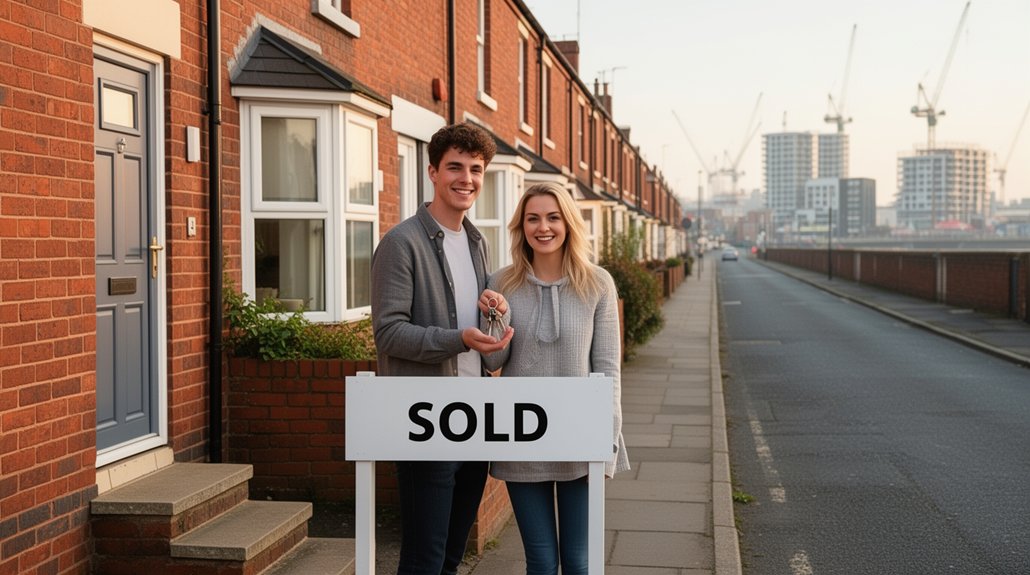
Hull stays one of the UK’s most affordable first-time buyer cities because you’re typically buying around £140,000–£165,000, so a 5–10% deposit can be roughly £7,000–£16,500, and stamp duty is often £0. You also face lower buyer competition, fewer out-of-area investors, and more new-build and regeneration supply that keeps price pressure down. If you want to budget confidently, the next sections break down deposits, fees, and best-value areas.
Key Takeaways
- Hull has lower buyer competition, keeping asking and sold prices down versus many UK cities.
- Fewer high-earning professionals and out-of-area investors reduces bidding pressure and price inflation.
- Regeneration and new-build supply increases housing availability, helping cap price growth for first-time buyers.
- Tourism and short-stay demand have less influence, so homes aren’t priced up for luxury amenities or events.
- Starter flats and terraces remain widely available around £115,000–£165,000, with many paying £0 Stamp Duty.
Hull First-Time Buyer Costs in 2026 (Quick Numbers)
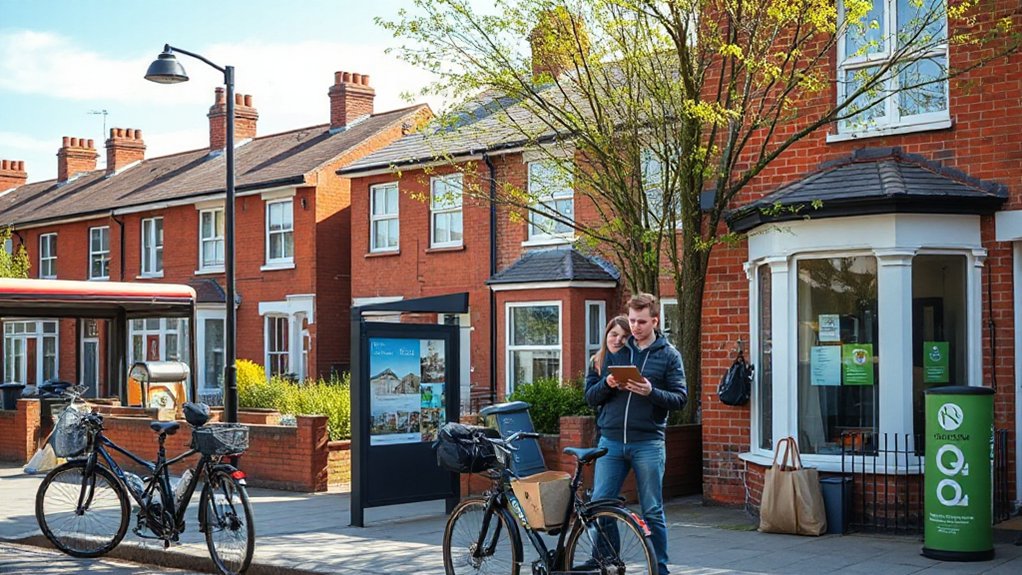
If you’re sizing up Hull for your first purchase in 2026, you’ll want the key costs upfront: expect an average first-time buyer price around £140,000–£165,000, a typical 5% deposit of ~£7,000–£8,250 (or 10% at ~£14,000–£16,500), and £1,500–£3,000 for conveyancing, surveys, searches, and lender fees; Stamp Duty is often £0 for many first-time buyers depending on the final price, but budget for moving and setup costs of £800–£2,000 so you’re not caught short at completion. Add £300–£600 for a Level 2 survey on most homes, or more on older stock in Historic districts. If you’re considering Luxury apartments, factor service charges and ground rent, often £1,200–£2,500+ yearly. Keep 3–6 months’ cash buffer for repairs.
Hull House Prices in 2026: Average by Property Type
With your deposit and buying fees budgeted, the next lever that shapes affordability in Hull is the property type you choose, because prices vary sharply between flats, terraces, semis, and detached homes. In 2026, you’ll typically see flats averaging £115,000–£135,000; newer builds and Luxury apartments can push £160,000+. Terraced houses usually sit around £140,000–£165,000, offering the best £/sq ft for many first-time buyers. Semis commonly price at £175,000–£210,000, reflecting extra bedrooms and driveways. Detached homes average £245,000–£310,000, with premiums for larger plots. If you’re targeting Historic neighborhoods, budget a 5–12% uplift, especially near conservation streets and upgraded schools. Use these bands to set viewings and negotiate confidently.
Why Hull Is Cheaper Than Leeds, York and Manchester
When you compare Hull with Leeds, York, and Manchester, you’ll typically see lower buyer competition, and that weaker demand keeps asking prices and sale prices down. You also benefit from a higher share of new-build and regeneration supply, which increases choice and limits upward price pressure. Put simply, lower demand plus more new homes creates a pricing gap you can use to buy sooner and negotiate harder.
Lower Demand, Lower Prices
Why does Hull cost less than Leeds, York, or Manchester? It comes down to demand pressure. In higher-growth cities, more buyers chase limited stock, pushing up sold prices and rents. Hull attracts fewer out-of-area investors and fewer high-earning professional movers, so bidding wars are rarer and discounts are more achievable. You’ll also see less price inflation from premium spending: fewer Luxury amenities that command top-end premiums, and a smaller, less tourist-driven calendar of Cultural events that boosts short-stay demand in city centres. For you as a first-time buyer, that lower competition typically means a wider choice within budget, more time to negotiate, and a higher chance of getting survey issues reflected in the final price.
More New-Build Supply
Although demand matters, supply plays a big role too: Hull has brought forward more new-builds and large regeneration sites relative to its buyer pool, which keeps listing volumes healthier and limits the “scarcity premium” you see in Leeds, York, and Manchester. That extra pipeline gives you options, not bidding wars, while letting you choose between contemporary stock and areas shaped by Historical architecture. Use supply signals to time your search:
- Track monthly new listings versus sold STC; aim for rising stock.
- Compare asking-to-sale discounts; higher supply widens negotiation.
- Prioritise phases with incentives (upgrades, deposit boosts).
- Check event calendars—Cultural festivals can spike short-term demand near venues.
More supply means you can lock in value without overpaying for rarity.
What £120k, £180k and £250k Buys in Hull
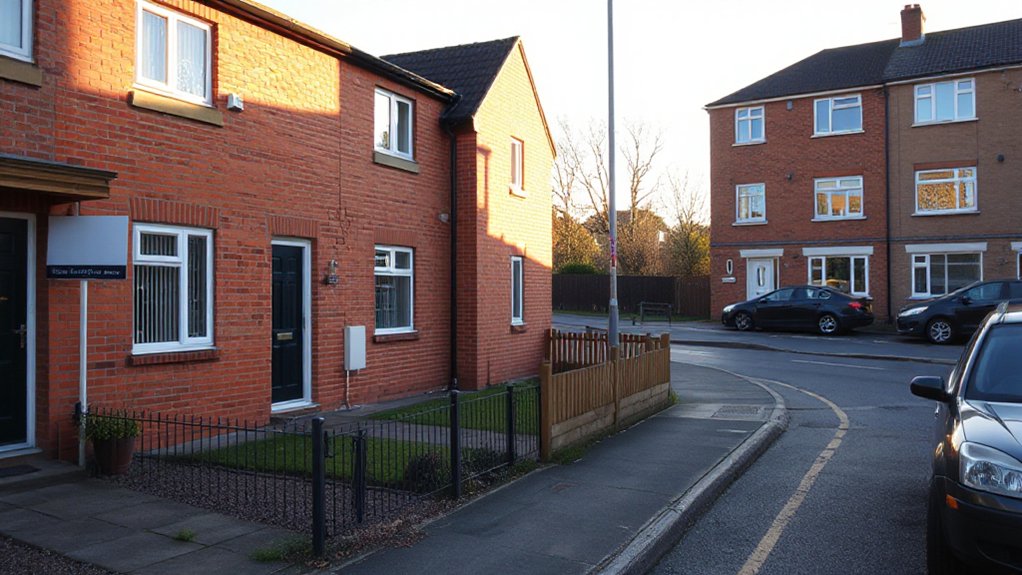
At £120k in Hull, you’re typically looking at true starter stock—compact terraces or small flats in solid, no-frills areas. Step up to £180k and you’ll usually secure more bedroom space, better condition, and a wider choice of family streets. Push to £250k and you can start prioritising larger semis or detached homes, bigger gardens, and stronger long-term resale fundamentals.
120k: Starter Homes
- Prioritise EPC: C–D ratings can cut bills versus older stock.
- Check sold prices on your street; aim for the lower quartile.
- Budget £3k–£8k for paint, flooring, and compliance checks.
- Focus on transport links: bus corridors and A63 access protect resale.
At this level, condition and street-by-street data matter more than postcode.
180k–£250k: More Space
Once you push beyond £180k in Hull, you stop competing for “best-condition-on-the-best-street” bargains and start buying usable space: typically an extra bedroom, a larger kitchen/diner, or off-street parking that £120k stock rarely offers.
At £180k–£210k, you’ll often secure a 3-bed terrace or semi with a proper family bathroom, workable storage, and a mid-sized yard; condition improves too, so you spend less upfront on roofs, electrics, and damp. Step to £220k–£250k and you can target larger semis, extended kitchens, and driveways—features that protect resale because they’re scarce in Hull’s historic districts. If you prefer low-maintenance, this bracket also opens Luxury apartments with lifts, secure entry, and allocated parking. Check service charges, lease length, and EPC before you offer.
Deposits in Hull: 5%, 10% and 15% Examples
A bigger deposit in Hull can cut your mortgage costs fast, and the numbers are easy to benchmark using typical first-time buyer price points. If you target £180k, £220k, or £250k homes, you can map deposit bands quickly: 5% equals £9k/£11k/£12.5k; 10% equals £18k/£22k/£25k; 15% equals £27k/£33k/£37.5k. Lenders often reward higher deposits with broader product choice, so you’ll reduce risk at application stage without changing your area shortlist.
- Confirm your LTV band before viewings to avoid wasting time.
- Budget for surveys, legal fees, and moving costs alongside the deposit.
- Compare Property taxes across wards, not just headline price.
- Check Neighborhood safety data so “cheap” doesn’t mean compromised.
Monthly Mortgage Payments in Hull (Rate Scenarios)
Because rates move faster than local asking prices, your monthly payment in Hull often comes down to the interest-rate scenario you choose (and the LTV band your deposit puts you in). On a £150,000 purchase with a 25-year term, you’d borrow £142,500 at 95% LTV: about £833/month at 4%, £916 at 5%, and £1,000 at 6% (repayment). At 90% LTV (£135,000), that’s roughly £788, £868, and £951; at 85% LTV (£127,500), about £744, £820, and £898. Stress-test against lender affordability at +3% and budget separately for Property taxes, insurance, and maintenance. If Neighborhood safety affects insurance premiums, it can shift the true monthly cost materially.
Best-Value Hull Areas (Price, Commute, Schools)
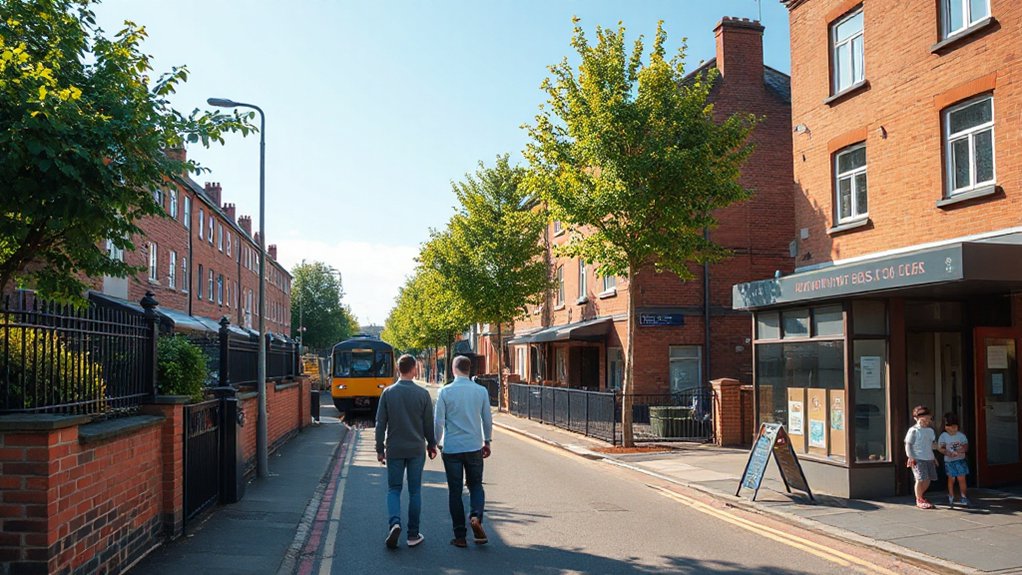
Where do you get the best “bang for your buck” in Hull—lower entry prices without sacrificing an easy commute or decent school options? Focus on areas where sold prices sit below the city median, bus frequency is high, and primary Ofsted results are stable. You’ll also want to compare Property taxes banding street-by-street, because ongoing costs can erase a cheap headline price. Prioritise walkable Neighborhood amenities so you’re not spending extra on transport.
- East Hull (Holderness Rd corridor): strong bus links to the centre, solid day-to-day retail.
- West Hull (Anlaby Rd/Boothferry Rd): quick A63 access, broad housing stock.
- Sutton: larger plots, practical for families, check school catchments.
- Bransholme: lowest entry points; scrutinise maintenance and local services.
Hull Regeneration Hotspots and Price Impact
If you’re buying in Hull, you’ll want to track regeneration districts like Fruit Market, Humber Quays, and the city centre, because new commercial space and public-realm works tend to pull values up. Compare sold prices on streets bordering major schemes versus similar nearby streets, and you’ll often see a measurable premium building as projects complete. Check rental yields and letting speed around these hotspots too, since stronger tenant demand can support your mortgage maths and reduce vacancy risk.
Key Regeneration Districts
Three regeneration corridors now do most of the heavy lifting on Hull’s price growth: the City Centre/Marina belt, the A63 Humber front (including the Fruit Market and cultural quarter spillover), and the eastward lift around Holderness Road and the river-facing renewal zones. If you’re reading the housing market like an analyst, these areas matter because they concentrate jobs, leisure, and transport upgrades that tighten rental demand and reduce vacancy risk—key for property investment planning. Focus on signals you can verify fast:
- Pipeline certainty: funded schemes, not just consultations.
- Walkability: sub-15-minute access to rail, offices, waterfront.
- Tenant mix: students, young professionals, hospital/port workers.
- Stock profile: converted warehouses, terraces, new-build pockets.
Sale Prices Near Developments
How much does regeneration actually shift sale prices in Hull? You’ll usually see the clearest uplift within a 10–15 minute walk of major schemes. Recent sold-price patterns show city-centre and marina-adjacent streets trading above comparable outer areas, with renovated stock pulling a premium over tired terraces. Where developers add Luxury apartments, nearby conventional flats often reprice upward as buyers benchmark against new-build specifications.
You can estimate impact by comparing like-for-like sales: same property type, similar size, sold pre- and post-completion, then adjust for market-wide inflation. In streets with protected historical architecture, scarcity amplifies the effect—restored façades and upgraded public domain reduce perceived risk and widen buyer demand. Check Land Registry sales and ask agents for achieved, not listed, prices.
Rental Yields And Demand
While sale-price uplift grabs headlines, rental performance often moves faster in Hull’s regeneration zones: you’ll typically see stronger tenant demand and tighter voids within a short walk of the city centre, marina, and new employment or leisure schemes, where renters pay for convenience and upgraded streetscapes. To stress-test yield, focus on micro-markets where supply is constrained and wages are rising. Luxury apartments can command a premium, but only if service charges don’t erode net returns; meanwhile, conversions with Historic architecture often attract longer tenancies. Use this quick checklist:
- Target walkable postcodes near transport and offices to cut void risk.
- Benchmark achievable rents weekly, not asking rents.
- Model net yield after fees, service charges, and EPC spend.
- Prioritise layouts renters want: 1–2 beds, parking, storage, and light.
When Hull Affordability May Tighten (2026–2028)
As mortgage rates ease and demand keeps shifting toward lower-cost northern cities, Hull’s affordability advantage could narrow between 2026 and 2028. If Bank Rate falls 100–150 bps from 2025 peaks, your borrowing power rises, and price pressure usually follows within 6–12 months. Expect tightening most in walkable, amenity-rich pockets where Historical architecture and Cultural festivals boost lifestyle demand and short-stay interest.
Watch leading indicators: sale-to-list ratios moving above 98%, average days on market dropping below 40, and a growing share of offers over asking. If local wages don’t keep pace, lenders’ affordability tests will bite harder despite lower rates. You’ll need a larger deposit, cleaner credit, and faster decision-making to compete.`
New-Builds in Hull for First-Time Buyers: Pros and Traps
If you’re eyeing a new-build in Hull, you’ll often pay a price premium versus comparable resales, so you need to benchmark £/sq ft and recent sold prices street-by-street before you commit. You’ll also want a snagging plan—book an independent inspection, document defects, and push fixes inside the developer’s warranty window. Don’t ignore ongoing costs: service charges and estate management fees can add hundreds to thousands per year and hit affordability checks as much as the mortgage rate.
New-Build Price Premiums
One number matters most when you compare new-builds in Hull to older stock: the price premium. In many UK markets, new-builds sell for roughly 10–20% more than comparable existing homes; in Hull, that uplift can still appear on like-for-like size and location. You’re often paying for turnkey condition and lender-friendly energy ratings, not extra square footage—especially versus terraces with historic architecture.
- Benchmark £/sq ft against two nearby resales, not the showhome.
- Check whether “Luxury amenities” (parking, lifts, gyms) add real resale value locally.
- Model payments at today’s rates; a 15% premium can tip affordability.
- Use sold-price data, not asking prices, to negotiate incentives.
Snagging And Service Charges
That new-build price premium only makes sense if the post-completion costs don’t quietly claw it back, and in Hull the two biggest variables are snagging and ongoing service charges. Book an independent snagging survey before your two-year builder warranty window tightens; on many UK estates, buyers report 50–150 defects, and even “minor” fixes can disrupt moving-in and time off work. Log Snagging issues in writing, photograph everything, and insist on dated remedial plans.
Next, scrutinise Service fees. Ask for the last year’s budget, the reserve-fund policy, and who controls the management company. On private estates, charges can rise faster than inflation once landscaping, lighting, and drainage maintenance start. Build a buffer in your affordability calc and compare with nearby resales without estate charges.
Hull Transport: Commute Times and Real Running Costs
How easy is it to get around Hull without letting travel costs erode your budget? You’ll find commute patterns are short and predictable: many city-centre journeys sit within 20–30 minutes by bus or bike, and rail from Hull to Leeds can run around 60 minutes, depending on services. Hull’s transportation infrastructure keeps options flexible, so you don’t have to default to car ownership.
- Bus network: frequent core routes; day tickets can cost less than multiple singles.
- Rail links: Hull Paragon connects you to Leeds, York, and London for occasional work trips.
- Cycling/walking: flat streets cut fuel, parking, and maintenance costs.
- Parking vs. nightlife: budget for city-centre parking if you’ll visit Cultural attractions often.
Schools and Green Space in Hull (Where Value Holds Up)
Where does Hull hold its value best for first-time buyers: near strong schools and usable green space. If you’re comparing streets, prioritise catchments with consistently good Ofsted outcomes and steady pupil intake; you’ll usually see quicker resale and fewer price dips in slower markets. School quality acts like a demand anchor, especially for two- and three-bed terraces where family buyers compete.
Use maps, not vibes: measure walk time to East Park, Pearson Park, or the Humber waterfront paths, then check whether routes feel safe and direct. Properties within a 10–15 minute walk of well-kept Green spaces tend to rent and resell faster because buyers price in lifestyle and lower travel needs. Pair that with low flood-risk data and you’ll protect value.
Hull Jobs and Salary Trends: Can You Sustain the Mortgage?
Before you commit to a mortgage in Hull, sanity-check it against what local pay and hiring actually look like: your lender will stress-test affordability, but you should run your own numbers off reliable salary ranges for the city’s biggest employers (NHS and care, council and public services, logistics/port and manufacturing, construction, and the growing renewables supply chain). Focus on take-home pay, not headlines, and assume rate shocks. Use current vacancies and ONS pay data to set a conservative baseline.
- Model repayments at +3% interest and check you’ve still got a buffer.
- Keep housing costs under ~30–35% of net pay if you want resilience.
- Prioritise sectors with steady demand (health, logistics, renewables).
- Budget for commuting, Hull leisure, and local cuisine without credit.
Buying Costs in Hull: Fees, Surveys, and Moving Budgets
Mortgage affordability in Hull doesn’t stop at the monthly repayment—you’ll also need cash set aside for the one-off buying costs that hit hard in the first 30–60 days. Budget £1,200–£2,000 for solicitor and Land Registry fees on a typical purchase, plus £300–£600 for a basic valuation if your lender doesn’t include it. Add a homebuyer report at £450–£750, and expect £900–£1,500 for a full building survey on older stock in Hull’s Historic districts, where defects can hide behind period features. If you’re buying Luxury apartments, factor in management pack/admin fees (£200–£500) and higher insurance checks. Moving costs vary: £400–£900 for a van and help, or £1,200+ with full packing. Keep a 2% cash buffer for surprises.
First-Time Buyer Schemes in Hull + How to Win Offers
Although Hull’s price point makes deposits feel achievable, you’ll still buy faster—and more confidently—if you pair the right first-time buyer scheme with a tight offer strategy. Use LISA bonuses for deposits, compare 95% LTV mortgages, and check developer incentives on new-builds, including Luxury apartments, where upgrades can beat price cuts.
- Get Decision in Principle first: it strengthens your bid and sets a ceiling.
- Target “best value per sqm” streets: especially in historic districts where condition varies.
- Offer clean terms: flexible completion, minimal fixtures requests, and proof of funds.
- Control risk: book your survey fast and cap renegotiation to major defects only.
On hot listings, lead with speed: view within 48 hours and submit same-day.
Frequently Asked Questions
How Fast Do Hull Homes Typically Sell Compared With Other Northern Cities?
Hull homes often sell slightly slower than Leeds or Manchester, but faster than some smaller northern towns. In today’s real estate market, you’ll usually see 30–50 days, with buyer competition shortening timelines for priced-right listings.
Are There Any Major Flood-Risk Zones First-Time Buyers Should Avoid in Hull?
Yes—avoid low-lying Humber frontage and River Hull corridors, including parts of Hessle Road, Victoria Dock, and Sutton. You’ll reduce exposure by using flood zone mapping, ordering a Flood risk assessment, and checking EA data.
What Are Typical Council Tax Bands and Annual Costs for Starter Homes?
You’ll usually see Band A–B for starter homes: low band, lower bill. In Hull, annual council tax often runs ~£1,300–£1,700 (2025/26). Check the VOA and council rates; it’s key property tax for affordable housing budgets.
How Much Do Energy Bills Vary Between Hull Terraces, Semis, and Flats?
You’ll usually pay most in older Hull terraces, mid-range in semis, and least in modern flats. Expect utility costs to swing 20–40% across types, driven by Energy efficiency, insulation quality, and heating systems.
What’s the Usual Timeline From Offer Accepted to Completion in Hull?
How long’s the timeline? In Hull, you’ll typically complete in 8–12 weeks. “A stitch in time saves nine”: book your property inspection early, chase solicitors weekly, and keep the mortgage process moving.
Conclusion
You’ve seen the numbers: Hull still stretches your deposit, keeps fees manageable, and lets your salary carry the mortgage without choking your budget. While Leeds, York, and Manchester feel like sprinting uphill, Hull is flatter ground—more runway, less drag. With £120k–£250k options, 5%–15% deposit paths, and value pockets near solid schools and green space, you can move from “saving” to “owning.” Act fast, bid smart, and lock it in.
About the Author