
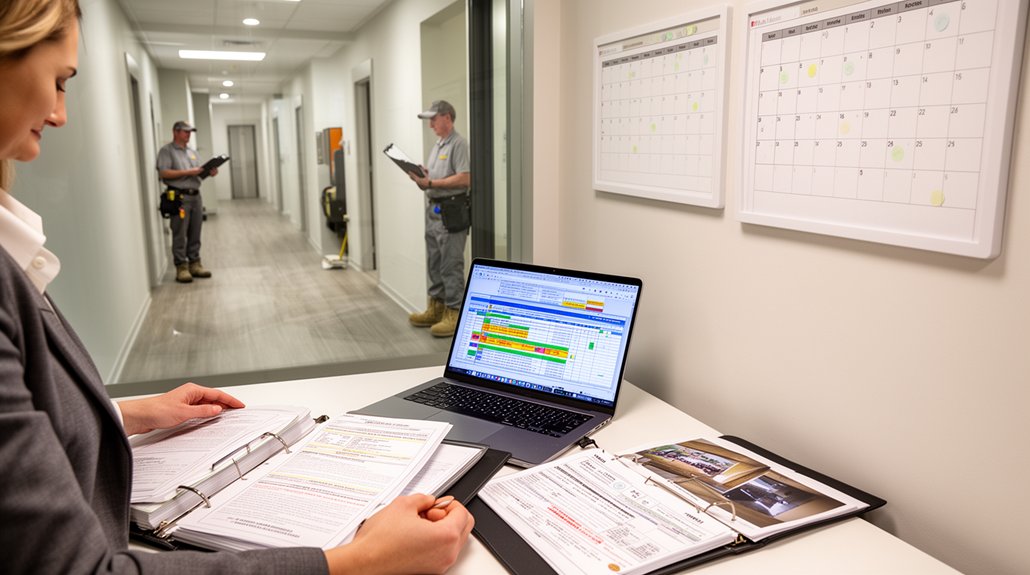
You don’t just need a lease and a tenant—you need a system that keeps pace with shifting laws. A property manager tracks filing deadlines, notice periods, inspection schedules, and deposit rules so you don’t miss a compliance trigger. They update forms, document every action, and standardize how your team handles screenings and repairs. The real protection shows up in the details they track next, because one overlooked requirement can cost you.
Key Takeaways
- They track changing local and state laws, deadlines, and inspections using compliance calendars and alert systems.
- They update lease templates, disclosures, and addenda with effective dates, keeping version control to prove enforceable agreements.
- They issue legally compliant notices with correct timing, language, delivery methods, and documented proof of service.
- They enforce fair housing through standardized marketing, screening criteria, accommodation procedures, staff training, and documented decisions.
- They schedule habitability inspections and repairs, prioritize life-safety issues, and maintain organized, date-stamped compliance records for audits.
Which Laws and Deadlines Do Property Managers Track?

Because compliance deadlines don’t wait for your schedule, you need a clear list of the laws and time-bound requirements property managers track to keep buildings legal, tenants protected, and owners out of penalty territory. You track Rental regulations on habitability, security deposits, rent caps, and anti-discrimination rules, plus local registration and licensing renewals. You calendar fire and life-safety inspections (alarms, sprinklers, extinguishers), elevator certifications, boiler and backflow testing, and lead-based paint or mold protocols where required. You meet annual smoke/CO detector verification, pest-control reporting, and pool/spa barrier standards. You monitor utility submetering rules and disclose fees within mandated timeframes. You file required tax forms and owner reporting by due dates. You also log legal updates for changing notice periods and pandemic-era sunsets.
How Do Property Managers Keep Leases and Notices Compliant?
You keep leases compliant by updating your templates whenever statutes, local ordinances, or required disclosures change, and you document version control so you can prove what was signed and when. You keep notices compliant by following the exact delivery method, timing, and content rules for your jurisdiction, including service proofs and posting or mailing requirements. If you standardize both workflows with checklists and audit logs, you’ll reduce defects that can void enforcement or trigger penalties.
Lease Template Updates
Even when your day-to-day operations stay the same, lease terms and required notices can fall out of compliance as laws, local ordinances, and court interpretations change. Your property manager keeps you current by maintaining jurisdiction-specific templates and tracking effective dates, addenda, and required disclosures. They revise clauses for Rent escalation limits, fee caps, security-deposit rules, habitability standards, and remediation timelines, then align house rules with enforceability standards. They also update Tenant screening language to reflect fair housing guidance, source-of-income protections, adverse-action requirements, and permissible criteria. Before each renewal or new move-in, they run a compliance checklist to confirm the right version is used, required attachments are included, and contradictory clauses are removed. You reduce risk by standardizing language across units while documenting each template change.
Notice Delivery Compliance
Updated templates don’t help if a notice gets delivered the wrong way or on the wrong timeline, so your property manager treats service rules as part of compliance. You’ll get jurisdiction-specific checklists that confirm notice accuracy, required language, cure periods, and statutory lead times before anything goes out. They select approved delivery methods—mail, personal service, posting, email, or portal—only when the law allows it, and they document the exact method used. They track when service is deemed complete, not just when you sent it, then schedule follow-ups around weekends, holidays, and local court rules. If a tenant’s address, authorized email, or agent changes, they update records and re-verify service instructions. That prevents defective notices that can reset timelines or dismiss filings.
How Do Property Managers Stay Fair Housing Compliant?
Because fair housing violations often stem from inconsistent day-to-day decisions, property managers stay compliant by standardizing how they market, screen, lease, accommodate, and enforce rules across every applicant and resident. You’ll use identical ad templates, inclusive language, and objective showing scripts, then document every contact and outcome.
You’ll apply written, job-related screening criteria (income, credit, rental history) the same way each time, disclose them upfront, and keep denial reasons and adverse-action notices in your files. You’ll train staff to avoid steering, discriminatory questions, and selective rule enforcement. For Fair Housing and Equal Opportunity, you’ll post required notices, maintain a reasonable-accommodation process with consistent forms and timelines, and track exceptions so you can prove decisions were policy-based, not personal. You’ll also audit vendors and ads quarterly for compliance.
How Do Property Managers Handle Inspections and Habitability Repairs?
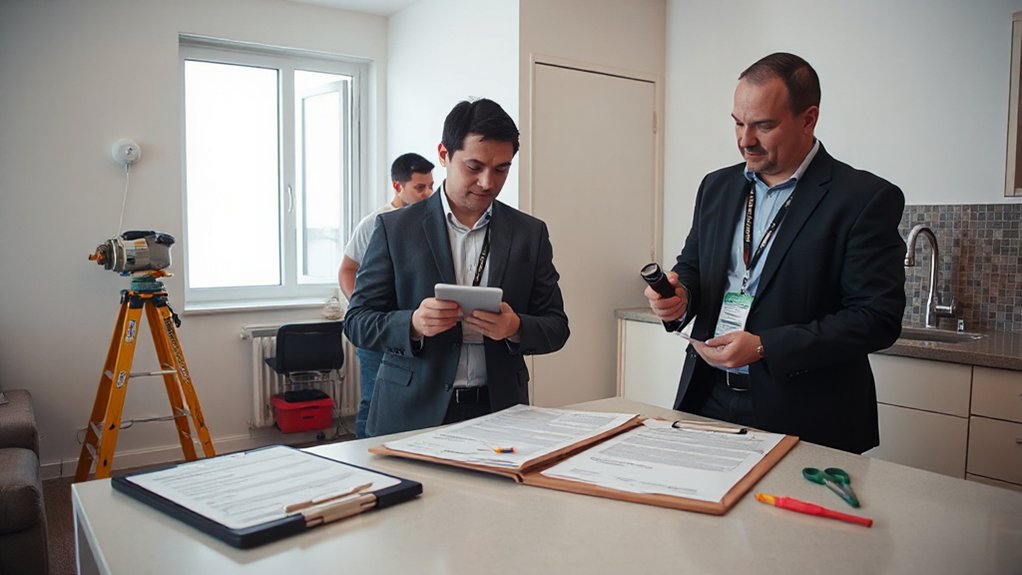
Fair housing compliance doesn’t stop at leasing decisions—you also have to apply consistent, well-documented standards when you enter units, inspect conditions, and correct habitability issues. Your property manager schedules routine and complaint-based inspections using lawful notice periods, standardized checklists, and timestamped photos to create an audit-ready record. You’ll get consistent Tenant communication: written notices, access instructions, and clear timelines for repairs, with reasonable accommodation requests tracked separately.
- Use uniform inspection scripts to avoid disparate treatment claims
- Document deficiencies against local habitability codes (heat, water, pests, egress)
- Triage repairs by risk and statutory deadlines; escalate life-safety issues immediately
- Follow Emergency procedures for gas leaks, flooding, or no-heat events, including after-hours vendor dispatch and tenant updates
How Do Property Managers Manage Licenses, Permits, and Renewals?
While you’re focused on occupancy and maintenance, your property manager keeps the property legally operable by tracking every required registration, license, and permit—from rental business licenses and inspections to fire alarm certificates, elevator permits, and short-term rental authorizations. They build a renewal calendar around agency lead times, schedule vendors for mandated tests, and submit applications with the right signatures, insurance, and fees. When rules change, they verify whether you need new postings, updated property use approvals, or amended occupancy limits before marketing. They coordinate city access for inspectors and correct deficiencies fast to avoid citations, stop-work orders, or license suspension. They also align Tenant screening and rent collection timelines with permit milestones so you don’t sign leases that violate licensing conditions. You stay rentable and compliant year-round.
What Compliance Records Do Property Managers Keep (Audit-Proof Files)?
Even if an inspector, lender, or insurer asks for proof on short notice, your property manager keeps audit-ready compliance files that show what was required, what was done, and when. You’ll have organized, date-stamped records that align with local codes, fair housing rules, and insurer underwriting standards, so you can answer requests fast and reduce penalties.
- Lease packets, addenda, rent ledgers, and notice logs with delivery proof
- Tenant screening documentation: criteria, adverse-action notices, and consent forms
- Safety and habitability records: inspections, work orders, vendor licenses, and invoices
- Marketing strategies files: ad copies, listing dates, and equal-housing disclosures
They also track retention periods, secure storage, and version control, so you don’t lose the “why” behind each decision.
Frequently Asked Questions
Will a Property Manager Represent Me if I’M Fined or Sued for Noncompliance?
You can’t count on a property manager to represent you if you’re fined or sued; you’ll typically need your own counsel. Clarify Legal liability in the contract, and confirm Insurance coverage, including defense and indemnification.
How Much Do Compliance-Related Services Add to Monthly Management Fees?
You’ll typically pay $50–$200 extra monthly, or 0.5%–2% more in fees, depending on Service scope. Request a Cost analysis covering inspections, filings, recordkeeping, and audit support, and confirm what’s excluded.
Can I Access Your Compliance Checklists, Calendars, and Reminder Systems?
Yes, you can access our compliance checklists, calendars, and reminder systems through your owner portal. You’ll track deadlines, Tenant communication templates, and Record keeping logs, and you’ll receive automated alerts for inspections, filings, renewals, and notices.
How Do You Handle Compliance for Short-Term Rentals Versus Long-Term Leases?
Nearly 1 in 3 U.S. hosts report confusing rules. You’ll separate short-term and long-term workflows: short-term needs Rental licensing and Local ordinances checks per booking; long-term needs lease, habitability, notice, deposit compliance per term.
What Happens if I Reject a Recommended Compliance Repair or Upgrade?
If you reject it, you’ll assume liability, risk failed inspections, fines, or lease violations. You must document Tenant communication, justify Repair prioritization, and accept delays, higher costs, or possible insurance/permit denial.
Conclusion
With a property manager, you don’t just react to rule changes—you stay ahead of them. They track filing deadlines, update leases and notices, and document every screening, repair, and communication. They run inspections, push safety fixes fast, and keep fair housing practices consistent across your team. They also renew licenses, permits, and registrations before they lapse. Why gamble on compliance when you can run audit-ready from day one and avoid penalties?
About the Author