Many homeowners dream of a relaxing outdoor space, but poor layout choices can ruin functionality. We’re looking at How To Design The Perfect Patio For Your Backyard Oasis, to ensure you get it right, first time around. You need a balance of comfort, style, and durability. Choose materials that withstand weather, position seating for shade and views, and include adequate lighting for safety and ambiance. Your patio should reflect how you live and entertain.
Key Takeaways:
- Define the purpose of your patio by deciding how you plan to use the space-dining, lounging, entertaining-so the design supports your lifestyle.
- Choose durable, weather-resistant materials like concrete pavers, natural stone, or composite decking that suit your climate and require minimal upkeep.
- Incorporate shade solutions such as pergolas, umbrellas, or shade sails to make the area comfortable during sunny hours.
- Add lighting strategically with string lights, path lights, or built-in fixtures to extend usability into the evening and enhance ambiance.
- Include greenery through potted plants, raised planters, or border gardens to soften the hardscape and create a more inviting atmosphere.
Analyzing Key Design Factors
You must assess several design factors to create a functional and inviting outdoor space.
- Consider terrain and how it affects construction
- Account for drainage to prevent water pooling
- Study sun exposure for comfort and usability
Recognizing your backyard’s unique conditions ensures a lasting, enjoyable patio.
Evaluating terrain, drainage, and sun exposure factors
Topography shapes your build options and material needs.
- Sloped terrain may require retaining walls or terracing
- Poor drainage risks flooding and foundation damage
- Full sun exposure affects furniture and shade planning
Perceiving these elements early prevents costly fixes later.
Determining patio dimensions based on lifestyle needs
Size matters when matching your patio to daily routines. A compact 10×10 space suits quiet mornings, while larger layouts accommodate gatherings. Think about how you entertain, dine, or relax outdoors.
Your lifestyle defines the ideal footprint. If you host frequent dinners, allow at least 12 feet between the house and seating edge. For quiet lounging, a smaller footprint with a fire feature may suffice. Measuring activity zones ensures comfort without overcrowding. Perceiving how you use time outside shapes smarter design choices.
How-To Select the Right Materials
Choosing the right materials shapes both the look and lifespan of your patio. Durability, weather resistance, and style cohesion with your home’s exterior matter most. You’ll want options that stand up to foot traffic while reflecting your personal aesthetic-whether that’s rustic charm or clean modern lines.
How-to distinguish between pavers, natural stone, and wood
Pavers offer uniformity and strength, ideal for structured layouts. Natural stone brings unique textures and earthy elegance but often costs more. Wood delivers warmth and blends beautifully with greenery, though it demands more upkeep. Your choice affects both appearance and long-term performance.
Assessing material durability and maintenance requirements
Concrete pavers resist cracking and handle freeze-thaw cycles well, making them a low-maintenance favorite. Natural stone like granite or limestone can last decades but may require sealing. Wood decks need regular staining and are prone to warping-especially in damp climates.
Material longevity hinges on your local weather and how often you’re willing to perform care routines. Pavers withstand heavy use with minimal effort, while wood demands seasonal attention to prevent rot and fading. Sealed stone holds up beautifully over time but may need professional maintenance. Choose based on how much time you’ll actually spend on upkeep.
Planning the Ideal Layout
Start by assessing your backyard’s dimensions and natural features to determine the best placement for each functional area. Consider sun exposure, wind patterns, and existing landscaping when positioning key elements. Your layout should support smooth movement and balance form with function. Any well-thought-out design begins with a clear understanding of how you’ll use the space.
Tips for creating distinct zones for dining and lounging
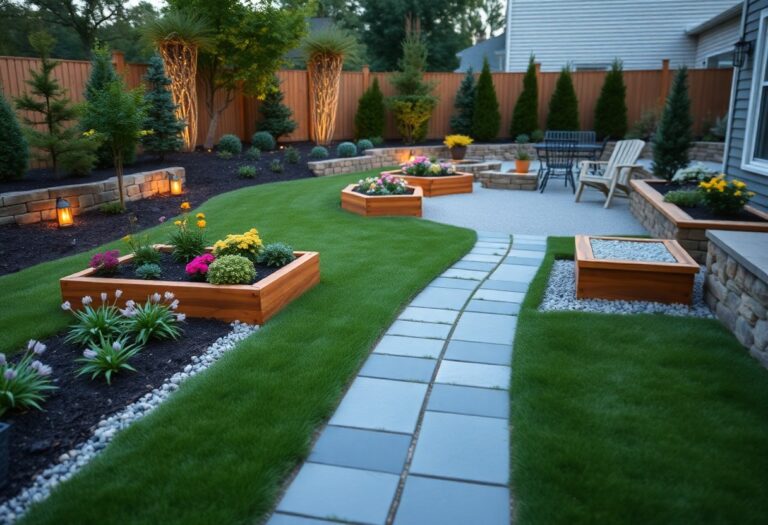
Define each area with purposeful furniture groupings and subtle changes in flooring or elevation. Use outdoor rugs, lighting, and planters to visually separate spaces without walls. Keep traffic paths clear between zones for easy access. Any successful patio balances comfort and usability across dedicated areas.
- Anchor the dining zone with a sturdy table and chairs near the kitchen
- Create a lounging area around a fire pit or seating cluster for relaxation
- Use shade solutions like pergolas or umbrellas to enhance comfort in each zone
Ensuring a seamless transition from indoor to outdoor spaces
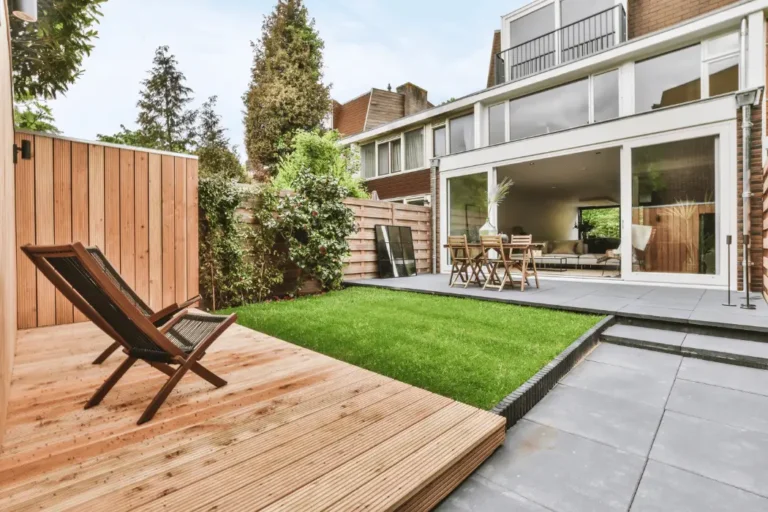
Align your patio’s flooring material with your home’s interior to visually extend living areas outside. Large glass doors or open-concept patios invite natural light and improve flow. Matching design tones and finishes strengthens the connection. Any smooth indoor-outdoor experience feels intentional and inviting.
Matching the style and materials from your interior to your patio creates a natural progression between spaces. Use similar color palettes, furniture lines, or architectural details like beams and trim to reinforce continuity. Position key outdoor features-like a dining set or lounge-so they’re visible from inside, encouraging use. This alignment makes your patio feel like a true extension of your home, not an afterthought.
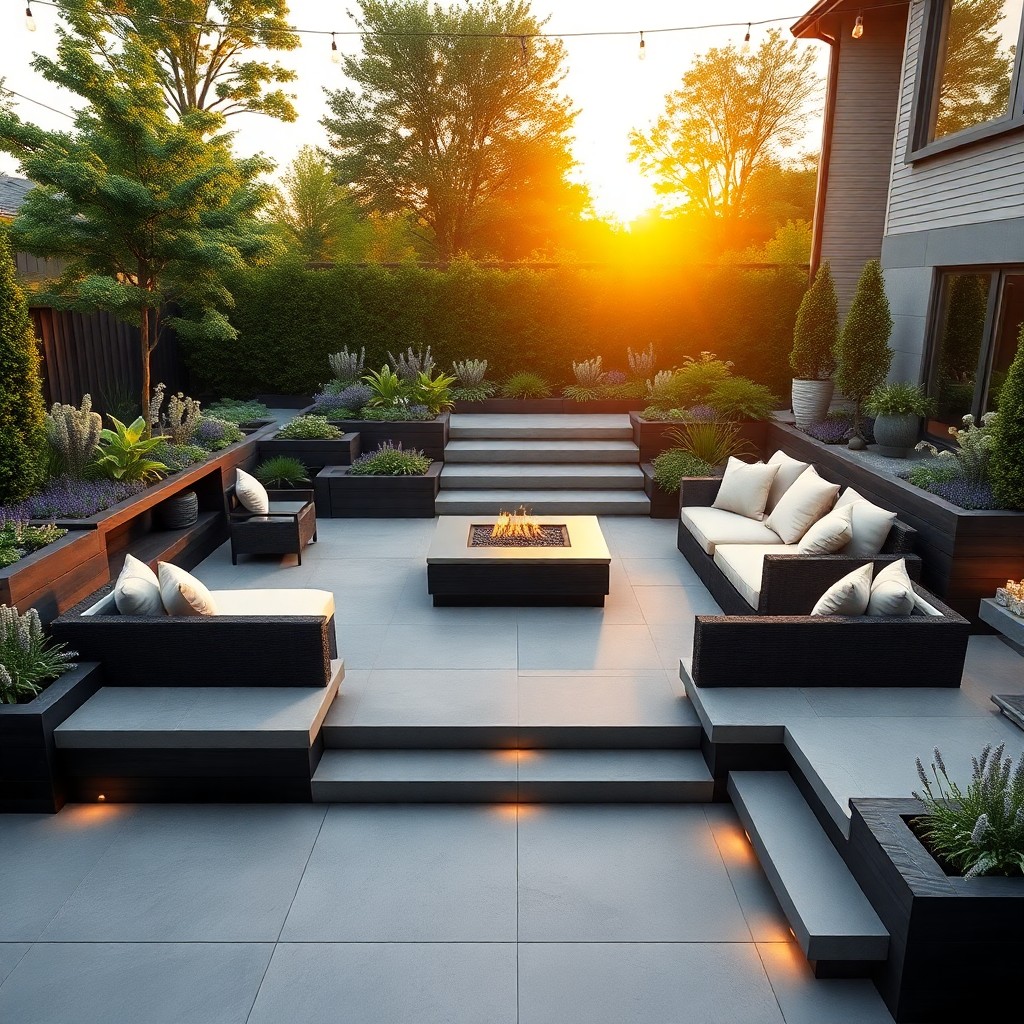
Enhancing Ambiance with Decorative Features
Transform your patio into a true retreat by incorporating decorative elements that reflect your personality. Textures, colors, and art pieces add depth and character. After choosing features that resonate with your style, the space naturally becomes more inviting and uniquely yours.
Tips for integrating focal points like fire pits or fountains
- Position the fire pit centrally to encourage conversation
- Use a fountain to introduce soothing water sounds
- Ensure clear pathways around each focal point
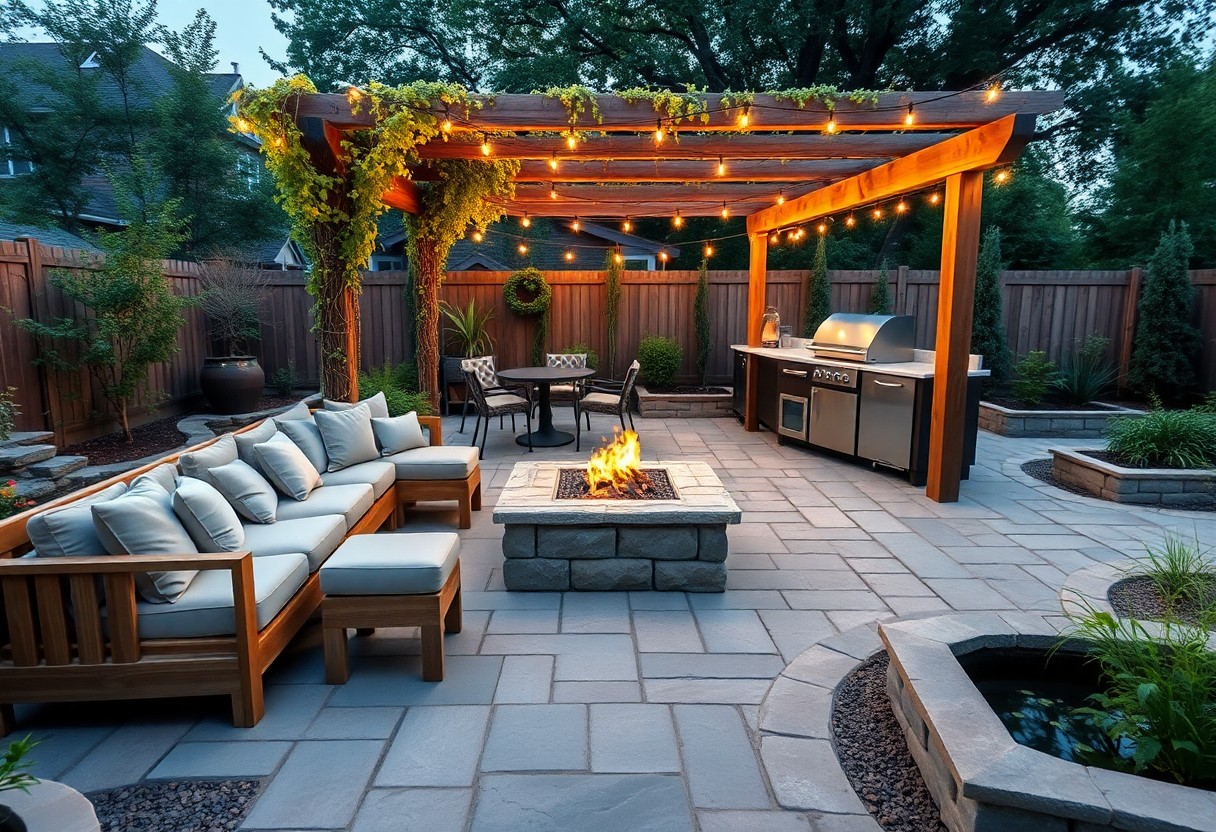
Place your fire pit or fountain where it draws the eye without blocking movement. These features double as heat sources and visual anchors. After anchoring the design with one standout element, the rest of the layout follows effortlessly.
Strategic lighting techniques for safety and atmosphere
Illuminate steps and edges with low-voltage fixtures to prevent trips after dark. Soft glows from string lights or lanterns enhance mood without overwhelming the space. After balancing function and flair, your patio becomes safe and enchanting at night.
Lighting shapes how you experience your patio after sunset. Recessed path lights guide movement, while accent fixtures highlight plants or art. Overhead string lights offer warmth and coverage. Layering these options ensures every corner is both functional and beautiful. After designing with purpose, your evenings become more enjoyable and secure.
Selecting Furniture and Outdoor Decor
Comfort shapes how often you’ll use your patio, so choose pieces that invite lingering. Durable, stylish furniture sets the tone-think deep seating with fade-resistant cushions and a central table for drinks or dining. Your decor should reflect your personality while standing up to the elements.
Choosing weather-resistant materials for long-term use
Material determines longevity. Teak, aluminum, and powder-coated steel resist rust and warping, even in harsh sun or rain. Avoid cheap plastics that crack-invest in quality frames that won’t need replacing in two seasons. Your climate guides the best choice.
Incorporating greenery and privacy screens for seclusion
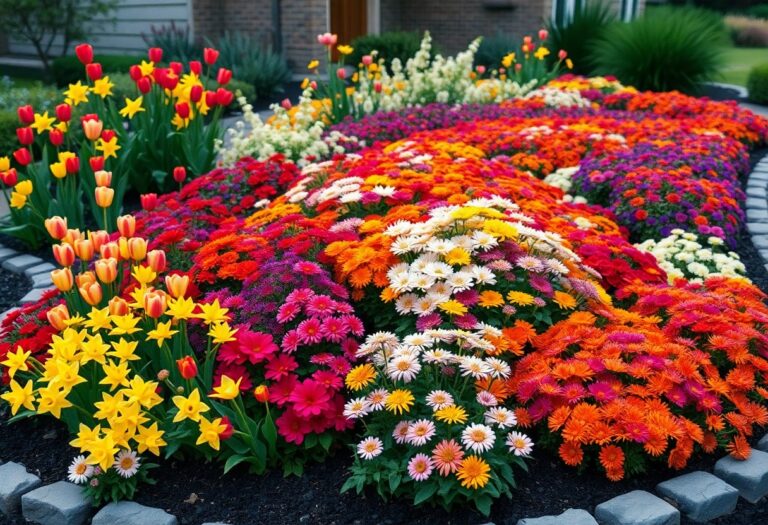
Plants soften hard edges and create natural barriers. Vertical gardens, tall grasses, or trellised vines shield your space from neighbors and street views. This blend of beauty and function turns an open yard into a true retreat.
Greenery does more than decorate-it transforms your patio into a living sanctuary. Use potted shrubs like boxwood or bamboo in planters to add height without permanent installation. Install lattice panels with climbing jasmine or ivy to grow dense, fragrant walls over time. These living screens adapt with the seasons and provide year-round texture, shade, and sound buffering, making your oasis feel secluded and serene.
How-To Preserve Your Backyard Oasis
Protecting your outdoor space ensures years of comfort and beauty. Regular care prevents damage from weather, pests, and daily use. Clean surfaces, inspect structures, and address small issues before they grow. Longevity, protection, and value depend on consistent attention. After
How-to clean and seal surfaces for maximum longevity
Wash hardscapes with a mild detergent and soft brush to avoid scratches. Let surfaces dry completely before applying a high-quality sealer. Reapply every 1-3 years depending on material and exposure. This blocks moisture, UV damage, and stains. After
- Use pH-neutral cleaners for stone and concrete
- Choose breathable sealers to prevent trapped moisture
- Inspect for cracks before sealing to maintain structural integrity
Seasonal maintenance tips to prevent structural wear
Inspect your patio each season for shifting pavers, loose railings, or wood rot. Clear debris from drainage areas to avoid water pooling. Trim nearby plants to reduce moisture retention and pest habitats. Store or cover furniture before winter. After
Staying ahead of seasonal changes protects your investment. In spring, check for frost damage and re-tighten fasteners. Summer calls for shade structure inspections and stain touch-ups. Fall demands gutter and deck cleaning to prevent clogs and mold. Winter prep includes draining irrigation and covering grills. After
- Check for foundation shifts after freeze-thaw cycles
- Reapply waterproofing before rainy months
- Monitor for insect activity near wooden elements
- Ensure drainage slopes remain effective year-round
Final Words
Conclusively, designing the perfect patio for your backyard oasis means aligning function, comfort, and aesthetics to match your lifestyle. You choose materials that endure local weather, arrange seating for conversation and views, and incorporate lighting and greenery to extend usability into the evening. Your decisions shape a space where relaxation and connection thrive naturally.
FAQ
Q: What factors should I consider when planning the layout of my patio?
A: Start by measuring your backyard space and identifying how you want to use the patio-whether for dining, lounging, or entertaining. Think about sun and shade patterns throughout the day to position seating and shade structures effectively. Keep pathways clear and ensure easy access from your home to the patio. Consider the flow between different zones, like cooking, seating, and greenery, so each area feels connected but distinct. Matching the patio’s shape and size to your home’s architecture also creates a cohesive look.
Q: What materials work best for a durable and attractive patio surface?
A: Natural stone, concrete pavers, and stamped concrete are popular choices because they balance durability with visual appeal. Natural stone like flagstone or bluestone offers a timeless, organic look but can be more expensive. Concrete pavers come in many colors and styles, are easy to repair, and hold up well in different climates. Stamped concrete mimics the appearance of stone or brick at a lower cost but may require sealing every few years. Choose a material that fits your climate, budget, and desired maintenance level.
Q: How can I add comfort and ambiance to my backyard patio?
A: Comfort starts with quality outdoor furniture that fits your space and lifestyle-look for weather-resistant fabrics and sturdy frames. Add soft touches like outdoor rugs, throw pillows, and blankets for warmth and color. Lighting plays a big role in ambiance: string lights, lanterns, or low-level LED fixtures create a welcoming glow after dark. Incorporate shade with umbrellas, pergolas, or shade sails. Plants in pots or built-in planters bring life and texture, while a fire pit or outdoor heater extends usability into cooler months.
About the Author